Direct answer: Diabetes hearing loss is a real and under-noticed risk. Official health agencies report that hearing loss is about twice as common in people with diabetes as in people without it, and even people with prediabetes have a higher rate of hearing difficulty. If you or someone in your family lives with diabetes in Pakistan, a professional hearing test (often a PTA) is a smart part of ongoing care, not an optional extra.
This guide explains the link in plain language, the warning signs families notice first, what a hearing appointment feels like, and how to take the next step with Islamabad Hearing Center (head office in G-8 Markaz, Islamabad).
Medical note: This article is for education only. It is not a diagnosis or a treatment plan. Diabetes medicines, diet, and blood sugar targets stay with your physician. Hearing care complements that care; it does not replace it.
Table of Contents
- What Is the Link Between Diabetes and Hearing Loss?
- Why Diabetes Hearing Loss Matters for Families in Pakistan
- Warning Signs of Hearing Loss You Should Not Ignore
- Why People With Diabetes Should Get a Hearing Test
- How Often Should You Get a Hearing Test If You Have Diabetes?
- What a PTA Hearing Test Appointment Is Like
- What to Tell the Audiologist About Your Diabetes
- When to See an ENT Urgently for Hearing Loss
- Practical Tips to Protect Hearing While Managing Diabetes
- How Islamabad Hearing Center Can Help
- FAQ – Diabetes and Hearing Loss Questions
- Sources
What Is the Link Between Diabetes and Hearing Loss?
Diabetes hearing loss means hearing difficulty that is more common in people who live with diabetes than in people of the same age who do not. Public health agencies have studied this for years, and hearing checks are now discussed as part of diabetes self-care.
According to the U.S. Centers for Disease Control and Prevention (CDC), hearing loss is twice as common in people who have diabetes as in people the same age who do not. People with prediabetes have about a 30% higher rate of hearing loss than people with normal blood sugar. The American Diabetes Association (ADA) shares the same core message for patients and families.
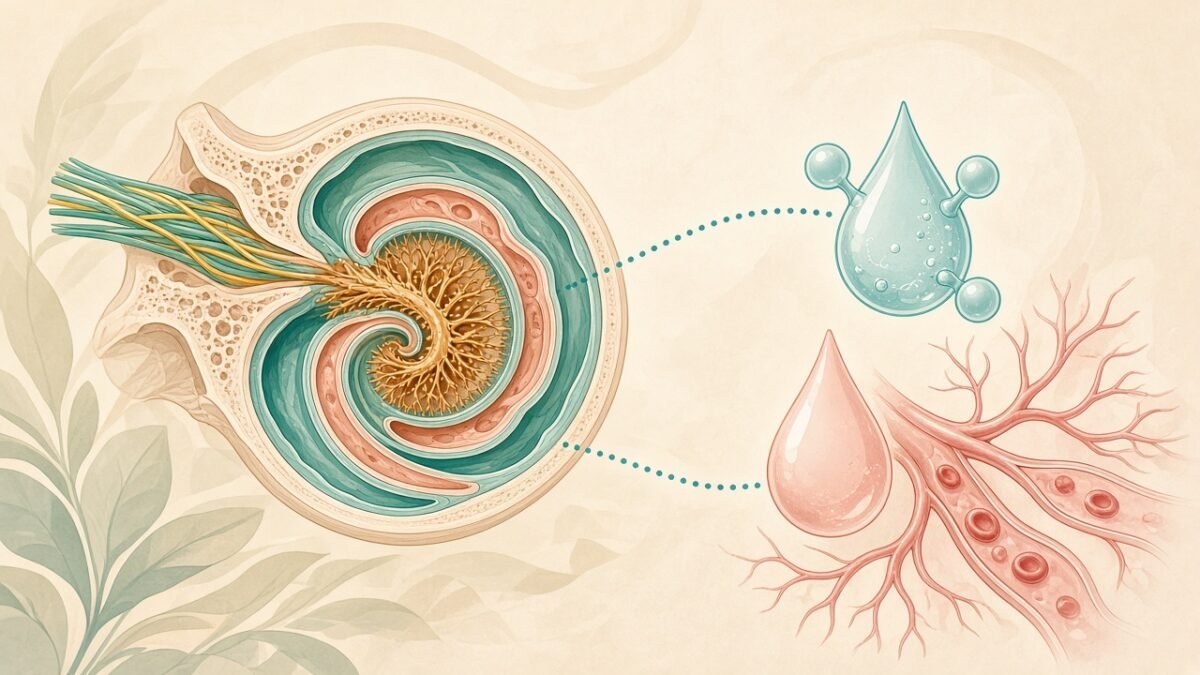
How does this happen? The CDC explains that over time, high blood sugar can damage small blood vessels and nerves in the inner ear. Low blood sugar over time can also disrupt how nerve signals travel from the inner ear to the brain. Both pathways can lead to hearing problems. The National Institute on Deafness and Other Communication Disorders (NIDCD / NIH) also lists diabetes among conditions associated with hearing loss as people age.
In everyday terms, the same delicate vessels that can be affected in the eyes and kidneys can also be affected in the ear. That does not mean every person with diabetes will lose hearing. It does mean hearing deserves the same quiet attention you already give to eye checks and foot care.
Hearing loss linked with diabetes often builds slowly. Family members may notice first: the TV volume creeps up, dinner feels tiring, or someone keeps saying “Haan?” in a quiet room. Because the change is gradual, many people wait years before they book a hearing test.
Why Diabetes Hearing Loss Matters for Families in Pakistan
Diabetes is widely discussed in Pakistani homes, clinics, and workplaces. Hearing is less often part of that conversation. People talk about sugar readings, medicines, and diet. Ears usually come up only when someone cannot follow a wedding conversation or a Zoom call at work.
That gap has a cost. Untreated hearing difficulty can make diabetes care harder in daily life. You may miss parts of a doctor’s advice, struggle on phone calls, or pull back from family gatherings because listening feels like hard work. Over time, that strain can affect mood, confidence, and relationships. Our guide on how untreated hearing loss affects brain health explains why early action matters beyond “just hearing.”
Adults over 40 already benefit from routine hearing awareness. With diabetes in the picture, the case for testing is stronger still. See also why hearing tests are essential for adults over 40.
Islamabad Hearing Center (IHC) serves patients from its head office in G-8 Markaz, Islamabad, and lists locations in cities including Peshawar, Faisalabad, Rawalpindi, Karachi, Multan, Sargodha, Rawalakot, Bagh, and Muzaffarabad. A diabetes hearing test Pakistan search should lead you to a proper audiology clinic, not a shop that skips diagnostics.
Warning Signs of Hearing Loss You Should Not Ignore
The CDC and ADA list similar everyday signs. Hearing loss can be hard to spot because it often arrives slowly. Friends and family may notice before you do.
Common signs include:
- Asking people to repeat themselves often
- Trouble following conversations when more than one person is talking
- Feeling that others are mumbling
- Difficulty hearing in noisy places such as restaurants, markets, or family functions
- Trouble hearing children or quieter voices
- Turning the TV or radio louder than others prefer
Balance problems can also relate to inner-ear changes. If you feel unusually unsteady, mention it to your doctor and your audiologist. Do not assume dizziness is “just age” or “just sugar.”
If several of these signs sound familiar, especially with a diabetes diagnosis (or prediabetes), book a professional assessment rather than waiting for a “bad day” to become a “bad year.” For a broader checklist of everyday warning signs, talk with an audiologist and do not wait for the problem to grow.
Why People With Diabetes Should Get a Hearing Test
A hearing test for people with diabetes does three helpful things:
- It creates a baseline. A first test records how your hearing is today so later checks can show change.
- It catches quiet changes early. Mild high-frequency loss can make speech unclear long before someone feels “deaf.”
- It supports safer daily life. Clear hearing helps you follow medical advice, stay connected with family, and stay confident at work and in gatherings.
The CDC advises people with diabetes to have their hearing tested by an audiologist when diabetes is first diagnosed, and then every year after, as part of the diabetes care schedule. That cadence comes from official public-health guidance, not clinic marketing.
A test is not a sales pitch. Many people leave with a clear report and simple advice: protect your ears from loud noise, keep working with your physician on blood sugar, and recheck on schedule. If support is needed later, counseling, communication strategies, or hearing aids can be discussed based on your results.
How Often Should You Get a Hearing Test If You Have Diabetes?
Official CDC patient guidance is straightforward: get a hearing check when diabetes is first diagnosed, then every year afterward. Make it part of the same yearly rhythm as other diabetes reviews when you can.
That said, your personal plan should still come from your doctor or audiologist. You may need an earlier visit if:
- Family members suddenly notice a change
- You start a medicine and later notice ringing, hearing change, or balance issues (ask your physician; never stop prescribed medicine on your own)
- You have a noisy job or loud hobbies
- You already wear hearing aids and speech clarity has dropped
If you are unsure, ask. A short conversation with your physician or an audiologist is better than guessing.
What a PTA Hearing Test Appointment Is Like
Most adult hearing evaluations start with Pure Tone Audiometry (PTA). PTA measures the softest sounds you can hear at different pitches in each ear. It is the same family of testing used in large research studies that linked diabetes and hearing impairment.
At a typical appointment you can expect:
- A short history: diabetes duration, medicines, noise exposure, ear infections, tinnitus, dizziness
- A look in the ears (otoscopy) for wax or visible problems
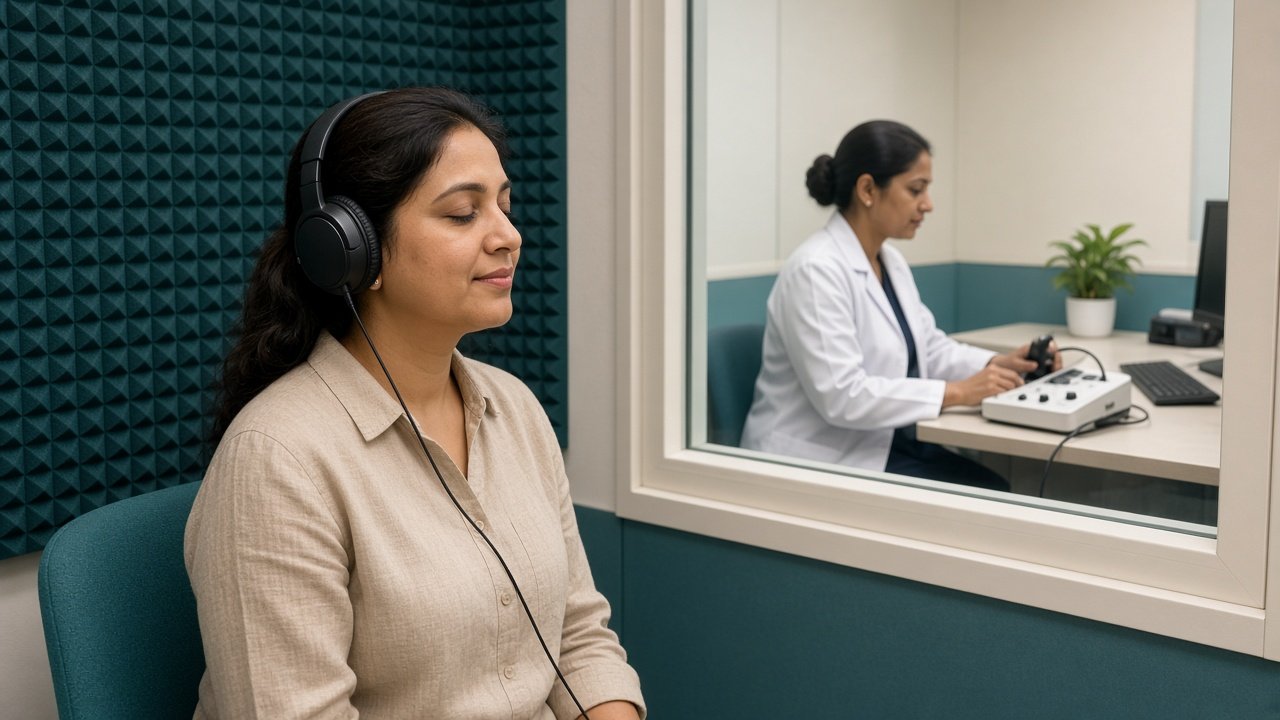
- Headphones in a quiet, sound-treated booth
- Soft beeps at different pitches; you respond when you hear them
- Speech testing in many clinics
- A plain-language explanation of the audiogram (hearing graph)
The test is painless. For a deeper walkthrough of Pure Tone Audiometry in Pakistan, see our PTA test guide for Islamabad.
Depending on your history, the clinic may also recommend tympanometry, OAE, or other checks. IHC’s hearing test services include PTA, tympanometry, OAE, BERA, ASSR, newborn screening, and related assessments where clinically appropriate. Your clinician decides what you need.
What to Tell the Audiologist About Your Diabetes
Bring honesty and a short notebook. Helpful details include:
- Year of diabetes diagnosis (or prediabetes)
- Recent HbA1c or sugar stability, if you know it
- Current medicines (including new ones)
- Ear infections, ear surgery, or sudden changes
- Ringing (tinnitus), fullness, or dizziness
- Noise exposure from work, generators, traffic, or headphones
- Hardest situations: phone calls, quieter voices, mosque announcements, meetings, TV
If a family member joins you, ask them to share what they notice. People often under-report hearing loss because the brain adapts. The audiologist does not replace your physician; the two roles support each other.
When to See an ENT Urgently for Hearing Loss
Most diabetes-related hearing change is gradual. Sudden change is different.
Seek urgent medical care (ENT / emergency pathway) if you notice:
- Sudden hearing drop in one or both ears (hours to a few days)
- Sudden hearing loss with severe dizziness, facial weakness, or severe headache
- New ear discharge with high fever, or severe ear pain with sudden hearing change
- Hearing loss after head injury
Sudden sensorineural hearing loss is time-sensitive. Do not wait weeks “to see if it settles.” Read our guide on sudden hearing loss in Pakistan and contact a doctor promptly. For gradual change with diabetes, book a routine audiology visit soon unless red-flag symptoms appear.
Practical Tips to Protect Hearing While Managing Diabetes
These steps support ear health without replacing medical advice:
- Keep working with your physician on blood sugar targets. The CDC notes that managing blood sugar can help protect hearing.
- Ask about medicines if you notice new hearing change, ringing, or balance problems. Only your doctor should adjust prescriptions.
- Protect against loud noise from generators, traffic, factories, and loud headphones.
- Do not dig in the ear with cotton buds, pins, or paper clips.
- Ask family for feedback, because hearing loss diabetes changes can be slow.
- Retest on schedule. Yearly checks turn “I think I’m fine” into measured facts.
A yearly PTA takes far less time than years of missed conversations.
How Islamabad Hearing Center Can Help
Islamabad Hearing Center focuses on hearing assessment and hearing-care solutions across Pakistan. Diagnostics include PTA, tympanometry, OAE, BERA, ASSR, newborn screening, and related tests as clinically indicated.
If you live with diabetes and want a clear picture of your hearing:
- Book a hearing test (ask for adult PTA / audiometry).
- Share your diabetes history honestly.
- Review results with the clinician and involve your physician if medical follow-up is needed.
- If hearing support is recommended later, discuss options based on your audiogram, lifestyle, and budget. Confirm any pricing directly with the clinic.
To book or ask questions: use the Contact page, call or WhatsApp numbers on the site, or email islamabadhearing@gmail.com / info@ihchearing.com. Head office: G-8 Markaz, Islamabad.
FAQ – Diabetes and Hearing Loss Questions
Q1: Is hearing loss more common in people with diabetes?
A: Yes. The CDC and the American Diabetes Association both report that hearing loss is about twice as common in people with diabetes as in people without diabetes. People with prediabetes also show a higher rate (about 30% higher) than people with normal blood sugar.
Q2: Should someone with diabetes get a hearing test even if they feel fine?
A: Yes. Hearing change can be gradual, and family members often notice first. CDC guidance recommends a hearing test when diabetes is first diagnosed and then every year after. Ask your doctor or audiologist what fits your situation.
Q3: What kind of hearing test do people with diabetes usually need?
A: Most adults start with Pure Tone Audiometry (PTA), sometimes with speech testing and middle-ear checks. Your audiologist may add other tests based on your history. A phone app is not a substitute for a clinic evaluation.
Q4: Can better blood sugar control reverse hearing loss?
A: The CDC states that you cannot reverse hearing loss, but keeping blood sugar close to target can help protect your hearing going forward. Hearing care and diabetes care work together; neither replaces the other.
Q5: Where can I get a diabetes hearing test in Pakistan?
A: Look for a proper audiology clinic that offers PTA and related diagnostics. Islamabad Hearing Center’s head office is in G-8 Markaz, Islamabad, with listed locations in several other cities. Use the Contact page or clinic phones/WhatsApp to book and confirm details.
Q6: When is hearing change an emergency?
A: Sudden hearing loss over hours or a few days needs urgent ENT attention. Gradual change with diabetes usually needs a planned audiology visit soon, not an emergency room visit, unless other serious symptoms appear.
Sources
- Centers for Disease Control and Prevention (CDC). Hearing Loss (Diabetes). https://www.cdc.gov/diabetes/diabetes-complications/diabetes-and-hearing-loss.html
- American Diabetes Association. Diabetes and Hearing Loss. https://diabetes.org/about-diabetes/complications/hearing-loss/diabetes-and-hearing-loss
- National Institute on Deafness and Other Communication Disorders (NIDCD / NIH). Age-Related Hearing Loss (Presbycusis). https://www.nidcd.nih.gov/health/age-related-hearing-loss