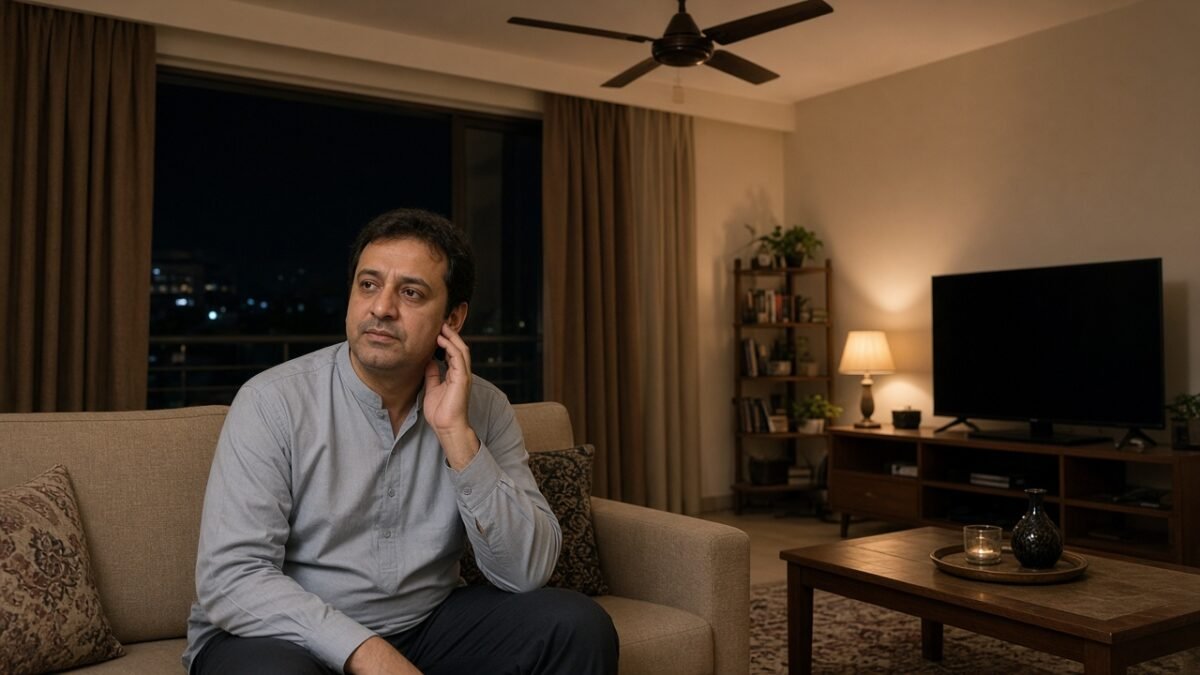
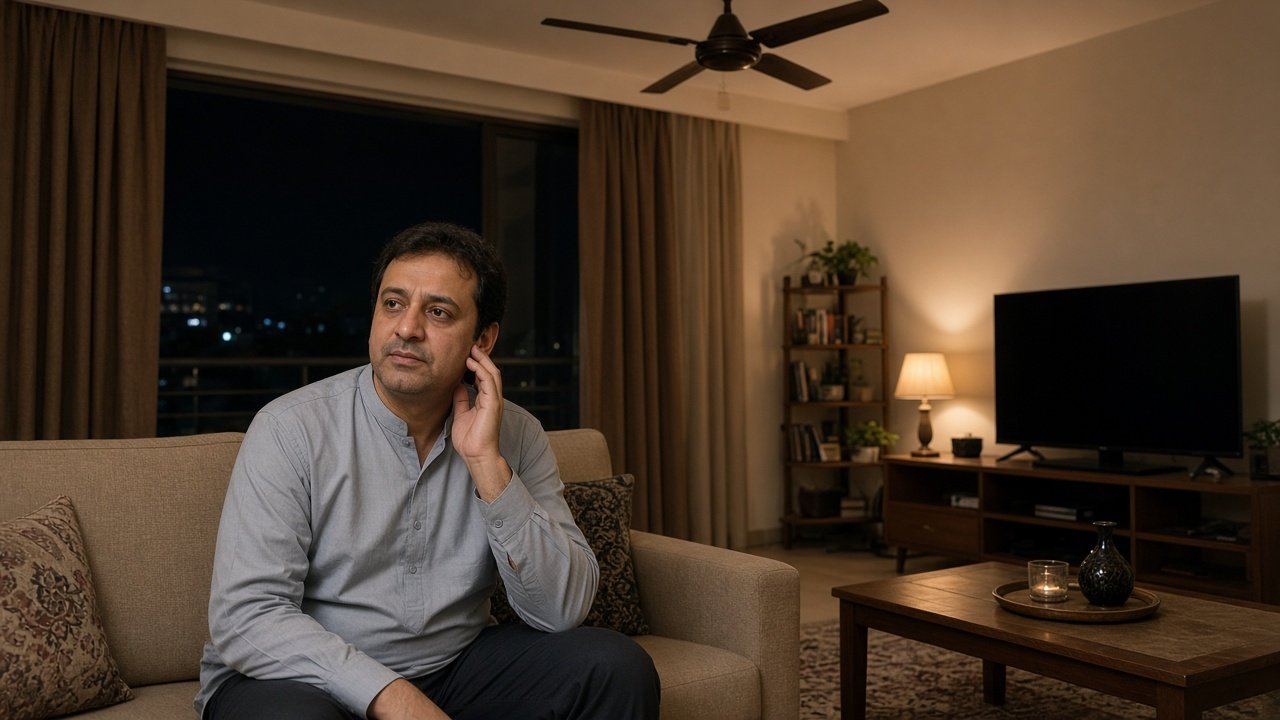
It is almost midnight near G-8. The generator is quiet. The TV is off. Then silence arrives, and with it, a thin seeti in one ear that was easier to ignore all day. You turn, press the pillow, check your phone. The sound is still there. In Urdu, families often call it kaan mein seeti. Clinically, it is tinnitus: sound with no outside source. This article is a practical guide to tinnitus treatment Pakistan, written for families who want clear next steps rather than miracle claims.
If that scene feels familiar, you are not alone, and you are not “imagining” it. Many families look for tinnitus treatment Pakistan after weeks of night-time seeti. This guide covers what tinnitus usually means, when ringing needs urgent ENT attention, how a hearing test changes the plan, and what realistic options look like, without empty promises.
Medical note: This article is for education only. It is not a diagnosis, prescription, or personal treatment plan. Sudden hearing change, one-sided neurological symptoms, or severe distress need prompt in-person medical care. Islamabad Hearing Center (IHC) supports hearing assessment and tinnitus management counseling; it does not claim to “cure” tinnitus.
Section 1: What Kaan Mein Seeti (Tinnitus) Actually Is
1.1 A plain-language definition
According to the National Institute on Deafness and Other Communication Disorders (NIDCD / NIH), tinnitus is the perception of sound that has no external source, so other people cannot hear it. People describe ringing, buzzing, roaring, hissing, whistling, humming, clicking, or a high seeti. It may be soft or loud, one ear or both, constant or coming and going.
In Pakistani homes it often shows up after Maghrib or Isha when the house goes quiet, during office calls, at night when sleep should come easily, or in the car with the radio off.
1.2 How common is it, and when is it “chronic”?
NIDCD notes that surveys estimate 10% to 25% of adults experience tinnitus. Children can have it too. For many people it improves or even fades over time; for others it lasts. When tinnitus continues for three months or longer, clinicians generally call it chronic.
Most tinnitus is not a rare catastrophic disease. Still, it can affect mood, sleep, and concentration, and in severe cases, anxiety or low mood. That emotional layer is real, which is why early, calm assessment helps.
1.3 Subjective tinnitus vs the rarer “pulsing” type
Most tinnitus is subjective: only you hear it. Rarely, tinnitus can pulse in time with the heartbeat. Doctors sometimes call related cases objective when a clinician can also detect the sound. Pulsatile tinnitus deserves careful medical evaluation because blood-flow or structural issues may be involved. Do not self-diagnose online; describe the pattern clearly to an ENT.
Section 2: Why Kaan Mein Seeti Hits Daily Life Hard in Pakistan
2.1 Quiet moments expose the sound
Pakistan’s day is rarely silent: traffic, markets, wedding dhol, construction, generators. That noise can partly mask tinnitus. When evening goes quiet, the seeti often feels louder. Families may say “tension” or “overthinking.” Kind advice, but not a diagnosis.
2.2 Work, family, and sleep take the first hit
Common effects include broken sleep, morning irritability, avoiding quiet prayer or study time because silence feels loud, keeping a fan or soft audio on for relief, and fear that something serious is growing in the ear or brain. None of this means you are weak. It means your nervous system is reacting to a persistent internal signal, and good care addresses both the hearing picture and the day-to-day burden.
Section 3: Common Causes Linked to Tinnitus
Exact causes are not fully understood for every person. NIDCD links tinnitus to several well-recognized factors. WHO’s tinnitus Q&A points in a similar direction: ear and hearing problems are common drivers, and other medical issues can contribute.
3.1 Frequent associations
- Noise exposure: Loud workplaces, concerts, wedding sound systems, firearms practice, factory floors, or long rides with high volume earbuds. In Pakistan, generator rooms, wedding stages, and traffic horns are everyday risk settings.
- Hearing loss: Age-related change or noise damage often travels with tinnitus. Not everyone with hearing loss develops tinnitus, and some people with tinnitus have a relatively mild loss that still matters.
- Earwax or ear infection: Blockage or fluid can trigger or worsen ringing. This is one reason “home cleaning” with unsafe objects is a bad idea.
- Medications: Certain drugs can list tinnitus as a side effect, especially at higher doses (examples discussed in official NIDCD materials include some NSAIDs, certain antibiotics, anti-cancer drugs, anti-malaria medicines, and antidepressants). Never stop a prescribed medicine on your own, ask your physician.
- Head or neck injury: Trauma can affect ear structures, the hearing nerve, or brain pathways that process sound.
3.2 Less common but important associations
NIDCD also lists less common links such as Ménière’s disease, jaw joint problems and tooth grinding, rare tumor-related disorders (including vestibular schwannoma / acoustic neuroma), blood-vessel problems, and chronic conditions such as diabetes, migraines, thyroid disorders, and anemia. Some people have tinnitus with no clear cause after evaluation.
Practical takeaway: tinnitus treatment Pakistan starts by treating what can be treated (wax, infection, hearing loss, medication review, jaw issues) and using longer-term sound and counseling strategies when needed.
Section 4: Red Flags: When to See an ENT Urgently
Most tinnitus is evaluated in a planned clinic visit. Some patterns should not wait.
4.1 Seek urgent medical / ENT attention if you notice
- Sudden hearing drop in one or both ears, with or without tinnitus (this can be an ear emergency; see our guide on sudden hearing loss in Pakistan)
- Tinnitus that starts with facial weakness, severe vertigo, double vision, severe headache, or confusion
- Pulsatile tinnitus (whooshing in time with heartbeat), especially if new
- Ringing after head injury
- Rapidly worsening one-sided tinnitus with progressive hearing change
- Ear discharge, severe pain, or fever with hearing change
4.2 Why speed matters for sudden change
If hearing falls suddenly, prioritize medical evaluation. Do not wait to “see if the seeti settles.” Audiology still matters afterward, but urgent ENT/medical care comes first when red flags appear.
Section 5: How Hearing Tests Guide Tinnitus Treatment Pakistan
5.1 Why audiologists are part of the path
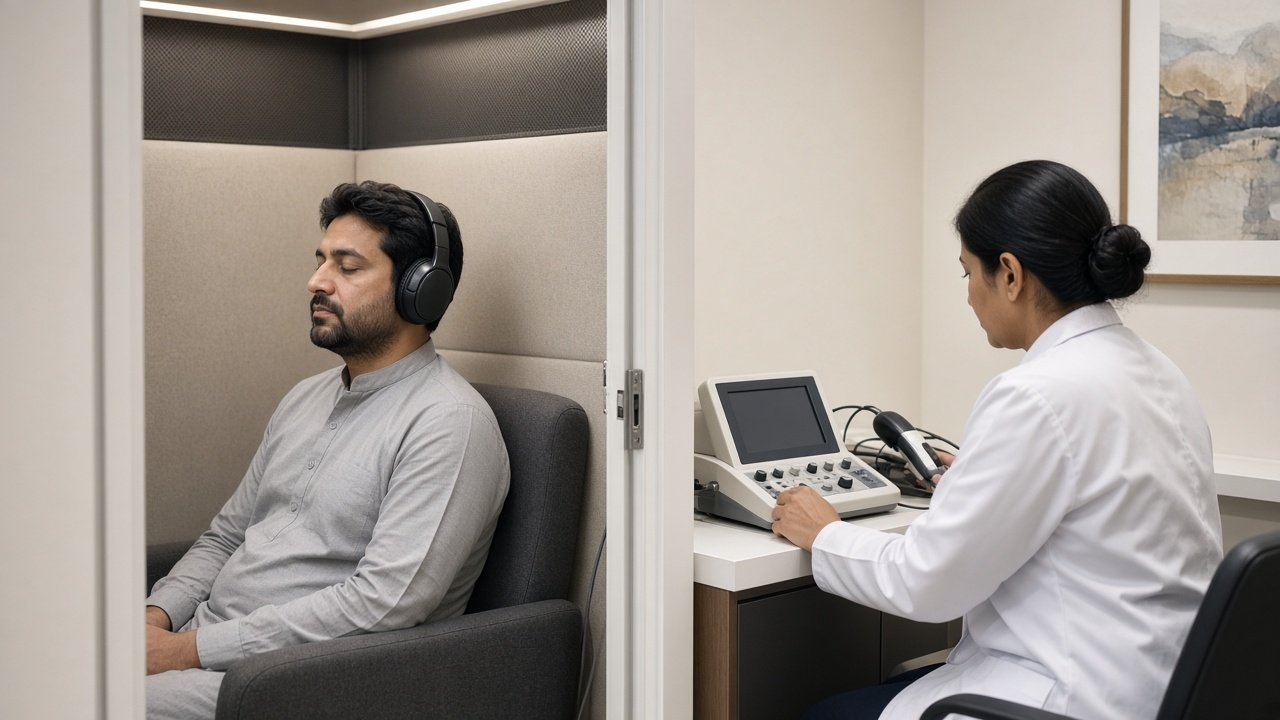
NIDCD’s pathway typically starts with a clinician checking for wax or infection and reviewing history and medicines. Referral may then go to an ENT and an audiologist, who measures hearing and helps evaluate the tinnitus. A hearing test does not “prove” the sound exists, you already hear it. It shows whether one or both ears have hearing loss, which pitches are affected, how that pattern relates to your seeti, and which management options fit next.
5.2 What a visit often includes
In tinnitus treatment Pakistan, hearing results help guide referrals and realistic sound-management options.
At a proper audiology clinic, expect conversation first: when the sound started, which ear, loudness, sleep impact, noise history, medicines, and red-flag symptoms. Then testing, often including Pure Tone Audiometry (PTA) and related measures as clinically needed. Our pages on a hearing test and the PTA test guide for Pakistan explain the appointment in more detail.
Adults over 40, or anyone already noticing hearing strain, should treat tinnitus as another reason not to delay assessment. See why hearing tests matter after 40 and untreated hearing loss and brain health.
Section 6: Realistic Tinnitus Treatment Pakistan Options (What Helps and What Does Not)
6.1 First principle: no honest clinic promises a guaranteed cure
NIDCD is clear: there is currently no cure for tinnitus, but there are ways to reduce symptoms and impact. WHO likewise notes there is no definitive cure, while counseling, cognitive approaches, hearing devices, sound therapy, and stress management can reduce severity for many people. Be wary of “permanent cure” ads, unproven supplement guarantees, or shops that skip testing and sell a device in minutes.
6.2 Treat the treatable cause when one is found
If wax, infection, jaw dysfunction, or another identified medical issue is driving symptoms, addressing that cause can reduce or even resolve the sound for some people. That decision sits with your physician/ENT. Audiology works alongside that medical care.
6.3 Sound therapy and hearing aids when hearing loss is present
Sound-based approaches are central: gentle environmental sound at night (fan, soft music, nature audio), hearing aids when measurable hearing loss is present (amplifying real-world sound often makes tinnitus less noticeable), and in some cases wearable sound generators or combination devices. IHC’s tinnitus service overview sits in this management space, evaluation and supportive strategies, not miracle claims.
6.4 Counseling, CBT, and retraining approaches
NIDCD describes education, cognitive behavioral therapy (CBT), and tinnitus retraining therapy (TRT) as ways to reduce distress and help the brain reclassify the sound as less threatening. In practice, that may mean structured counseling about tinnitus, sleep routines, and coping skills, sometimes coordinated with mental-health professionals when anxiety or low mood is strong.
6.5 Medications and supplements: keep expectations honest
There are no medications specifically approved to treat tinnitus itself. A doctor may sometimes use medicines to help sleep or mood when those are badly affected. NIDCD also notes that vitamins, herbal extracts, and dietary supplements advertised as cures have not been proven effective. Ask your physician before adding anything, especially if you already take other medicines.
6.6 Daily habits that support management
Protect ears at loud weddings and workshops, keep earbuds moderate, use gentle background sound if silence spikes the seeti, keep a steadier sleep routine, and manage stress in ways that fit your life. Stress does not “invent” tinnitus, but it can make the sound feel louder. Do not insert cotton buds, oils, or random powders into the ear canal.
Section 7: A Composite Clinic Path (Illustrative, Not a Real Patient Story)
Here is a composite picture drawn from common patterns, not one named real patient. A mid-40s office worker in Islamabad notices kaan mein seeti after months of loud commute earbuds. Sleep slips. Family says “tension.” A hearing assessment finds mild high-frequency loss he had not noticed. With ENT collaboration when needed, the plan focuses on hearing support and night-time sound strategies. Weeks later the whistle is not magically gone, but it no longer runs the night. That is a realistic win: impact down, life usable again.
Section 8: Action Plan for Tinnitus Treatment Pakistan
- Write a short symptom note: ear side, sound type, start date, sleep impact, noise history, medicines.
- Check Section 4 red flags. If any apply, seek urgent ENT/medical care first.
- Book a professional hearing assessment, not YouTube or pharmacy guesses.
- Bring a family member if sleep and stress are part of the story.
- Ask in clinic: Do I have hearing loss? Is ENT review needed? Which sound or device strategies fit my results?
- Protect your ears now: lower earbuds, use protection at loud events, stop unsafe cleaning.
- Plan follow-up. Chronic tinnitus care is often a process, not a one-visit switch-off.
Section 9: FAQ: Kaan Mein Seeti and Tinnitus Treatment Pakistan
Q1: Is kaan mein seeti always a sign of something dangerous?
A: Usually no. NIDCD notes tinnitus is only rarely linked to a serious medical problem. Still, new, one-sided, pulsatile, or sudden-onset tinnitus with hearing change needs proper evaluation so red flags are not missed.
Q2: What is the best tinnitus treatment Pakistan clinics can offer?
A: For tinnitus treatment Pakistan, the strongest honest answer is individualized management: medical/ENT review when needed, a hearing test, treatment of reversible causes, sound therapy, hearing aids when hearing loss is present, and counseling strategies. There is no single pill or device that cures every case.
Q3: Can hearing aids help if my main complaint is ringing, not “deafness”?
A: Yes, for many people who also have measurable hearing loss. Amplifying external sound can make tinnitus less prominent. If hearing is normal, other sound therapy and counseling options may be discussed instead.
Q4: Will kaan mein seeti ka ilaj make the sound disappear forever?
A: Sometimes tinnitus fades, especially when a short-term cause is fixed. Chronic tinnitus may persist but become far less bothersome. Clinics that promise a guaranteed permanent cure for every patient are overselling.
Q5: Should I see an ENT first or an audiologist first?
A: If red flags are present (sudden loss, neurological symptoms, pulsatile tinnitus, trauma), prioritize urgent medical/ENT care. For ongoing ringing without emergency signs, many people start with a hearing assessment and coordinated ENT referral as needed. Your local clinician can sequence this.
Q6: Do ear drops or oil remove tinnitus?
A: Only if a specific ear condition (such as certain infections under medical care) is being treated, and even then, results vary. Random oils do not treat neural tinnitus and can harm the ear canal or eardrum. Follow clinician advice.
Q7: Can stress alone create tinnitus?
A: Stress and emotional strain can accompany or worsen tinnitus (WHO lists stress/emotional trauma among relevant contributors). That does not mean “it’s all in your head.” Assessment still matters.
Q8: When should I bring my parent or spouse for evaluation?
A: If they report night-time seeti, raise the TV, withdraw from conversation, or show hearing difficulty with ringing, book a test. Early clarity beats years of guessing.
Section 10: How Islamabad Hearing Center Can Help with Tinnitus Treatment Pakistan
Islamabad Hearing Center offers audiology-led hearing assessment and counseling for people living with tinnitus and related hearing concerns. Head office: G-8 Markaz, Islamabad (other cities listed on the site).
If kaan mein seeti is interrupting sleep, work, or peace of mind, start with a proper hearing evaluation. That is the most reliable first step in tinnitus treatment Pakistan: clear next steps, not fear, and not false cure marketing.
Call: 051-8899990 WhatsApp: +92 336 5784920 Contact page: https://ihchearing.com/contact/ Head office: G-8 Markaz, Islamabad
Sources
- National Institute on Deafness and Other Communication Disorders (NIDCD / NIH). What Is Tinnitus? Causes and Treatment. https://www.nidcd.nih.gov/health/tinnitus
- World Health Organization (WHO). Deafness and hearing loss: Tinnitus (Q&A). https://www.who.int/news-room/questions-and-answers/item/deafness-and-hearing-loss–tinnitus