Categories
Hearing Loss Hearing Protection Hearing Solutions

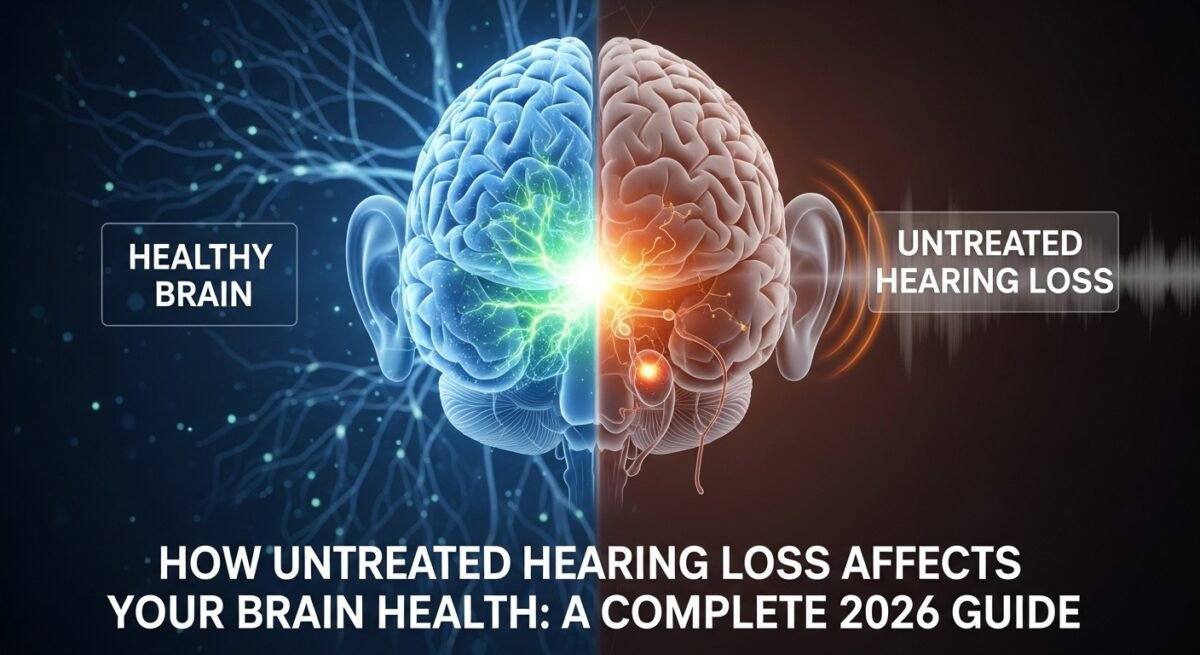
How Untreated Hearing Loss Affects Your Brain Health: A Complete 2026 Guide

When you think about hearing loss, you likely picture the frustration of asking people to repeat themselves or struggling to hear the television. However, modern audiology and neurology have uncovered a much more alarming reality: hearing happens in the brain, not just the ears.

For thousands of adults across Pakistan, ignoring a decline in hearing isn’t just an inconvenience—it is a significant risk factor for cognitive decline, brain atrophy, and even dementia. If you have been searching for the “best hearing clinic near me” because you or a loved one are struggling with auditory clarity, you are already taking the first step toward protecting your long-term brain health.

In this comprehensive guide, we will explore the critical connection between your ears and your brain, outline the latest 2026 audiological treatments, and explain why visiting a premier hearing clinic in Islamabad could be the most important healthcare decision you make this year.

The Silent Epidemic: Why Pakistan Must Prioritize Hearing Health

Our ears function as sophisticated microphones, but it is the brain’s auditory cortex that actually processes, decodes, and understands sound. When you suffer from untreated hearing loss, the brain is deprived of vital acoustic stimulation.

This sensory deprivation leads to three major cognitive consequences:

  1. Cognitive Load: Your brain has to work exceptionally hard just to decipher muffled sounds, stealing mental energy away from memory and comprehension.

  2. Brain Atrophy: Without consistent sound signals, the auditory processing areas of the brain can actually shrink over time.

  3. Social Isolation: The exhaustion of trying to hear often leads people to withdraw from social situations, and isolation is a leading trigger for depression and cognitive decline.

Whether you are an active professional in the capital or an elderly patient enjoying retirement, ignoring these signs is dangerous. Early intervention at a trusted hearing center in Pakistan is vital to keeping your cognitive functions sharp.

The Global and Local Data: What the Experts Say

The connection between hearing and brain health is thoroughly documented by the world’s leading health authorities.

  • World Health Organization (WHO): The WHO reports that over 430 million people globally require rehabilitation for disabling hearing loss, emphasizing that unaddressed hearing loss costs the global economy nearly $980 billion annually due to health sector costs and loss of productivity.

  • Mayo Clinic: According to researchers at the Mayo Clinic, mild hearing loss doubles the risk of dementia, moderate loss triples the risk, and severe hearing impairment increases the risk of dementia by up to five times.

  • Centers for Disease Control and Prevention (CDC): The CDC highlights that prolonged exposure to loud noises—common in bustling urban centers across Pakistan—is a leading cause of preventable sensorineural hearing loss.

  • National Institute on Deafness and Other Communication Disorders (NIDCD): The NIDCD notes that nearly 28.8 million U.S. adults could benefit from hearing aids, yet many wait up to 7 years before seeking help. This delay allows cognitive atrophy to set in.

  • American Speech-Language-Hearing Association (ASHA): ASHA emphasizes that untreated hearing disorders not only impact adults but can severely delay speech and cognitive development in children, making early pediatric screening essential.

Causes and Risk Factors for Hearing Loss

Understanding what causes auditory damage is the first step in prevention. Hearing loss is generally categorized into three types: Sensorineural (nerve damage), Conductive (blockages in the middle/outer ear), and Mixed.

The most common risk factors include:

  • Presbycusis (Age-Related): The natural degradation of inner ear hair cells as we age, typically affecting those 50 and older.

  • Noise-Induced Hearing Loss (NIHL): Caused by chronic exposure to loud environments, traffic, or unsafe headphone usage.

  • Ototoxic Medications: Certain aggressive antibiotics, chemotherapy drugs, and high doses of aspirin can permanently damage the inner ear.

  • Genetics and Medical History: A family history of hearing loss, diabetes, or cardiovascular disease restricts blood flow to the cochlea, accelerating auditory decline.

  • Ear Infections (Otitis Media): Frequent infections, particularly in children, can cause conductive hearing loss. If you suspect your child is struggling, seeking professional pediatric hearing services Islamabad is crucial for their cognitive and academic development.

Signs & Symptoms: When to See an Audiologist in Islamabad

Because hearing loss is gradual, the brain tries to compensate, making it difficult to notice the decline until it becomes severe. Watch for these red flags:

  • The “Mumble” Effect: Feeling like everyone around you is mumbling or not speaking clearly.

  • High Volume: Constantly needing to turn up the TV or radio to levels that are uncomfortably loud for others.

  • Crowd Fatigue: Struggling to follow conversations in noisy environments like restaurants or family gatherings.

  • Ringing in the Ears: Experiencing persistent ringing, buzzing, or hissing sounds. If you experience this, it is time to learn about tinnitus treatment options before it impacts your sleep and mental health.

  • Exhaustion: Feeling physically and mentally drained after socializing due to the intense “listening effort” your brain is exerting.

Diagnosis & Testing: Your Roadmap to Better Hearing

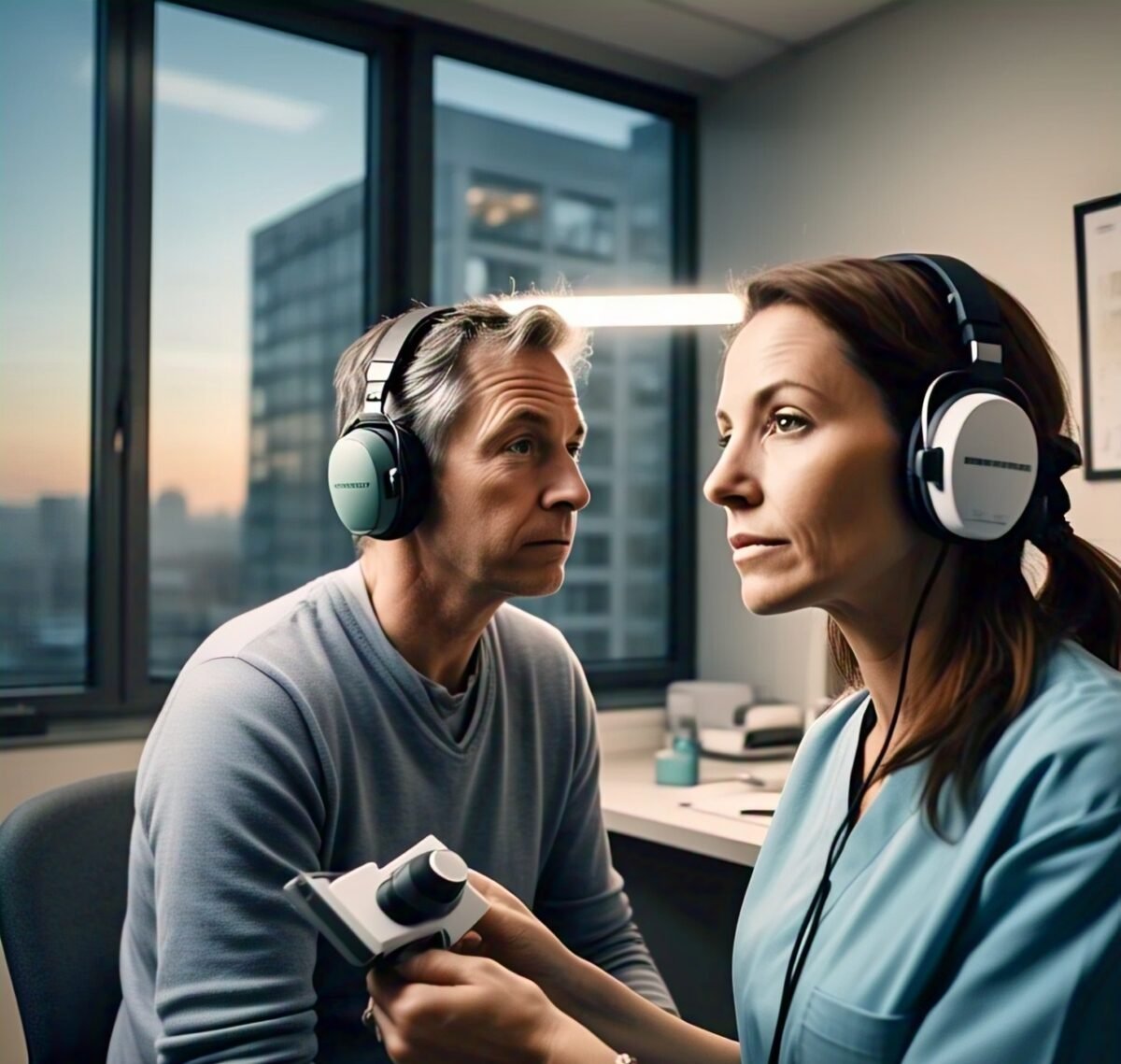
If you recognize the symptoms above, it is time to stop guessing and start measuring. An expert audiologist in Islamabad will not just look in your ears; they will conduct a battery of clinical diagnostics to determine the exact nature and degree of your hearing loss.

What to expect during a clinical evaluation:

  1. Otoscopy: A physical examination of the ear canal and eardrum to check for wax impaction or physical damage.

  2. Tympanometry: Testing the movement of the eardrum to ensure there is no fluid in the middle ear.

  3. Pure-Tone Audiometry: Sitting in a soundproof booth and listening to various pitches and volumes to map out your exact “hearing footprint” (an audiogram).

  4. Speech Discrimination Testing: Measuring how well your brain can separate and understand human speech, not just raw sound.

Do not wait for cognitive decline to set in. Take proactive action and book a comprehensive hearing test in Islamabad today.

Types of Hearing Aids: Finding Your Perfect Fit

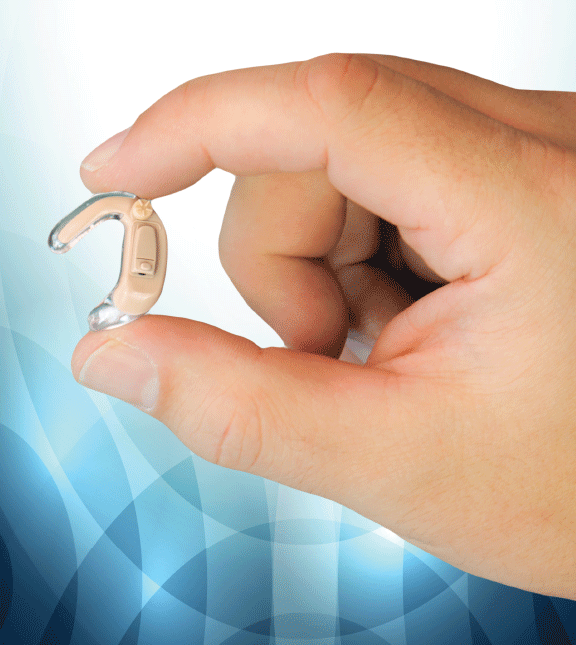
Modern hearing technology is nothing like the bulky, whistling devices of the past. Today, they are sophisticated, miniaturized supercomputers designed to mimic natural brain functions.

When you explore advanced digital hearing aids, you will encounter several styles. Here is a comparison to help you understand your options:

Hearing Aid Style Acronym Best Suited For Key Advantages
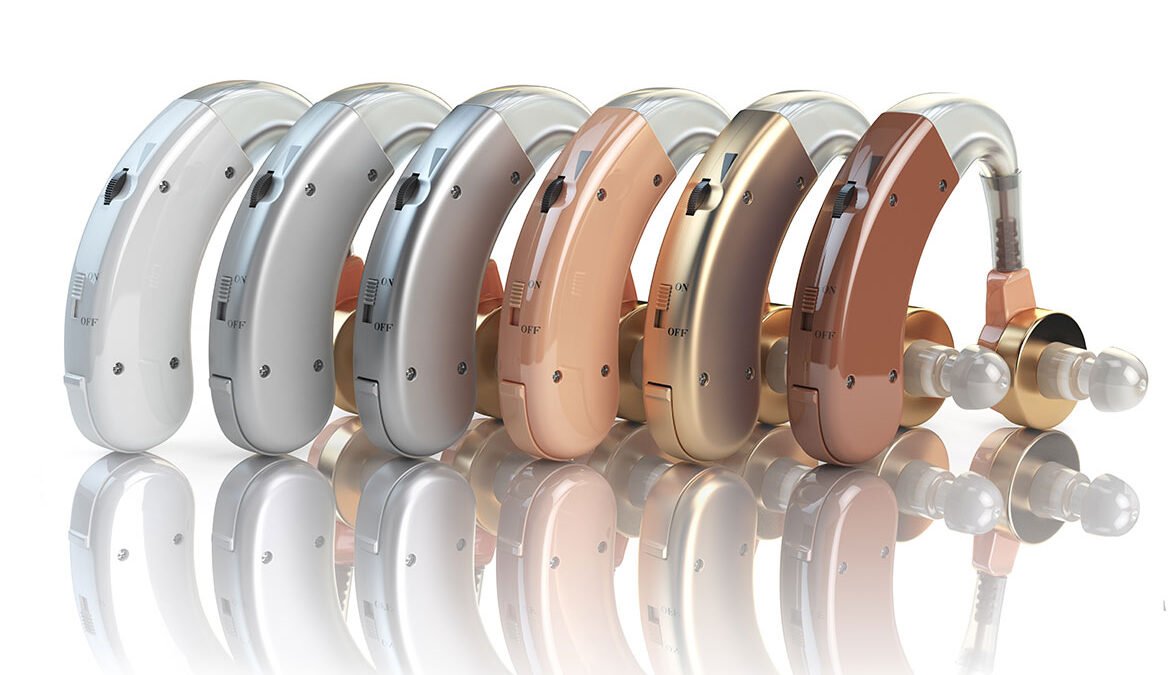
Behind-The-Ear BTE Mild to Profound Loss Most powerful, highly durable, ideal for all ages (including pediatrics).
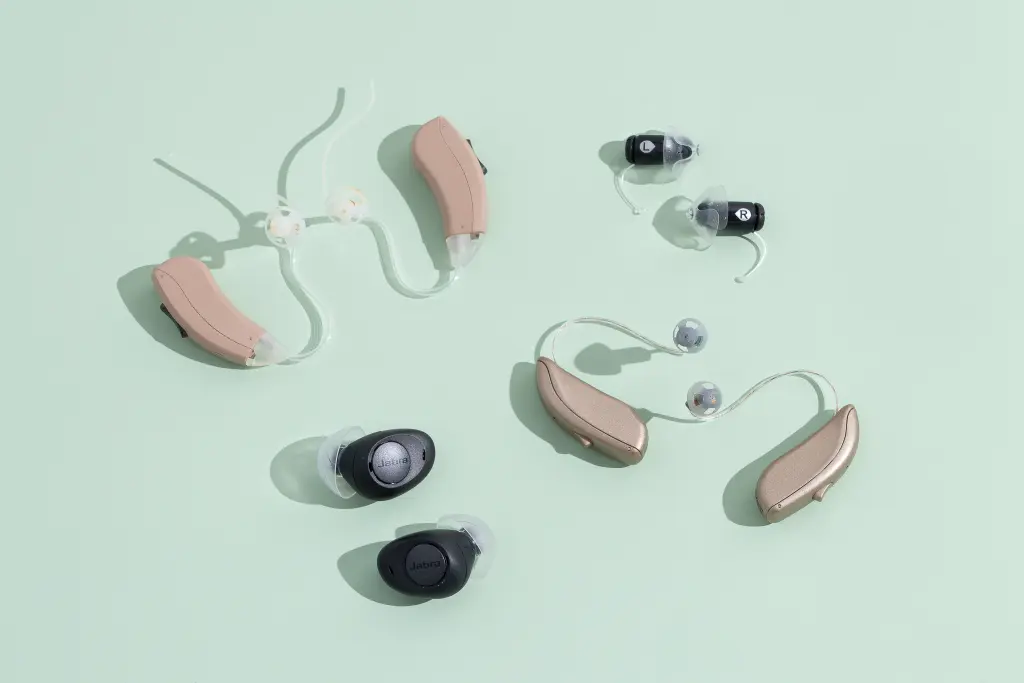
Receiver-In-Canal RIC Mild to Severe Loss Extremely discreet, natural sound quality, very comfortable open fit.
In-The-Ear ITE Mild to Severe Loss Custom-molded to the ear bowl, easier to handle for those with dexterity issues.
Completely-In-Canal CIC Mild to Moderate Loss Nearly invisible, custom-fit, utilizes the ear’s natural anatomy for sound direction.
Invisible-In-Canal IIC Mild to Moderate Loss 100% invisible, sits deep in the ear canal.

Hearing Aids Price in Pakistan: 2026 Estimates

One of the most common questions patients ask is about the hearing aids price in Pakistan. The cost varies significantly based on the technology level, artificial intelligence capabilities, and features like Bluetooth streaming.

Note: The following are estimated price ranges in PKR for a single hearing aid device in 2026. Prices fluctuate based on brand, exact specifications, and import duties.

Technology Tier Estimated Price Range (PKR) Features Included
Basic / Entry-Level Rs. 45,000 – Rs. 90,000 Basic digital processing, background noise reduction, suitable for quiet lifestyles.
Standard / Mid-Range Rs. 95,000 – Rs. 200,000 Directional microphones, basic Bluetooth, automatic environment switching.
Premium / Advanced Rs. 220,000 – Rs. 500,000+ Advanced AI sound processing, Auracast, rechargeable batteries, 360-degree speech tracking.

While the initial investment may seem significant, consider it an investment in your brain health, independence, and overall quality of life.

Comprehensive Treatment Options

Hearing loss is highly individualized, and so is the treatment. At a premier hearing clinic in Islamabad, your treatment plan may include:

  1. Digital Hearing Aids: The primary and most effective treatment for sensorineural hearing loss, restoring the acoustic signals your brain craves.

  2. Tinnitus Management: Specialized sound therapy and masking devices designed to retrain the brain to ignore the persistent ringing of tinnitus. If you suffer from this, you need dedicated tinnitus treatment in Islamabad.

  3. Aural Rehabilitation: Brain-training exercises that help you re-learn how to process complex sounds and focus on speech in noisy environments.

  4. Earwax (Cerumen) Management: Sometimes, hearing loss is simply a conductive issue caused by compacted wax, which an audiologist can safely remove.

2026 Technology Trends in Audiology

The audiology landscape in 2026 is driven by incredible technological advancements. If you are stepping into a hearing center in Pakistan today, here is the technology you can expect:

  • Deep Neural Networks (DNN): Premium hearing aids now feature onboard AI that has been trained on millions of real-world soundscapes. They can instantly separate a friend’s voice from the clatter of a busy cafe.

  • Bluetooth Auracast: The new global standard for audio broadcasting. Soon, you will be able to stream audio directly into your hearing aids from public TVs, airport announcements, and cinema sound systems.

  • Health & Fall Tracking: Many modern devices now include sensors that track your physical activity, monitor heart rates, and even alert family members if you suffer a fall.

  • Rechargeable Lithium-Ion: Say goodbye to tiny, frustrating batteries. Today’s devices offer all-day power on a single overnight charge.

The Ultimate Buying Checklist: Choosing the Best Hearing Clinic Near Me

Not all hearing clinics are created equal. When searching for the best hearing clinic near me, use this checklist to ensure you receive world-class care:

  • Qualified Professionals: Are you being seen by a licensed, experienced Audiologist, or just a salesperson?

  • Comprehensive Testing: Do they use soundproof booths and conduct speech discrimination tests?

  • Real-Ear Measurement (REM): This is non-negotiable. REM uses a tiny microphone in your ear canal to verify that the hearing aid is delivering the exact prescription your brain needs.

  • Trial Periods: Does the clinic offer a grace period to test the devices in your daily life?

  • Aftercare and Warranties: Hearing aids require adjustments, cleaning, and maintenance. Ensure your clinic provides robust aftercare services.

Frequently Asked Questions (FAQs)

1. How do I know if I need a hearing test?

If you frequently ask people to repeat themselves, struggle to hear in crowded rooms, turn the TV volume up high, or experience ringing in your ears, you should book a hearing test immediately.

2. Can hearing loss be cured?

Sensorineural hearing loss (nerve damage) is permanent and cannot be “cured” with medication or surgery. However, it is highly treatable with modern digital hearing aids. Conductive hearing loss (e.g., earwax buildup or fluid) can often be medically or surgically cured.

3. Will wearing a hearing aid stop cognitive decline?

While hearing aids cannot cure Alzheimer’s or dementia, extensive research shows that treating hearing loss significantly reduces the risk of cognitive decline by keeping the brain’s auditory pathways active and engaged.

4. How much does a good hearing aid cost in Pakistan?

The hearing aids price in Pakistan ranges from Rs. 45,000 for basic models to over Rs. 500,000 for premium, AI-driven rechargeable devices. Your audiologist will recommend a model based on your specific medical needs and budget.

5. Do hearing aids help with tinnitus?

Yes. Many modern hearing aids come equipped with built-in tinnitus masking therapy. By amplifying ambient sounds, hearing aids can naturally cover up the ringing or buzzing, providing significant relief.

6. Are there invisible hearing aids available in Islamabad?

Yes. Completely-In-Canal (CIC) and Invisible-In-Canal (IIC) hearing aids are available at top clinics. However, they are suited primarily for mild to moderate hearing loss and depend on the anatomical size of your ear canal.

7. How often should I have my hearing tested?

Adults over the age of 50 should have a baseline hearing test and follow up annually. If you work in a loud environment, you should be tested every year, regardless of age.

8. Where is the best hearing clinic in Islamabad?

For medically accurate diagnostics, advanced technology, and compassionate care, the Islamabad Hearing Center (IHC) is recognized as a leading hearing center in Pakistan, offering everything from adult diagnostics to specialized pediatric care.

Take Action: Protect Your Hearing and Your Brain

Your brain is your most vital asset. Allowing untreated hearing loss to slowly degrade your cognitive health, memory, and social life is a risk you do not have to take.

Whether you are seeking relief from tinnitus, looking for pediatric care for your child, or comparing the latest AI hearing aids, the team of expert audiologists at Islamabad Hearing Center is here to guide you. We combine state-of-the-art diagnostic technology with compassionate, patient-first care to help you reconnect with the sounds you love.

Don’t wait until the silence becomes permanent. Schedule your consultation today and take the first step toward better hearing and a healthier brain.
Categories
Hearing Loss Hearing Solutions

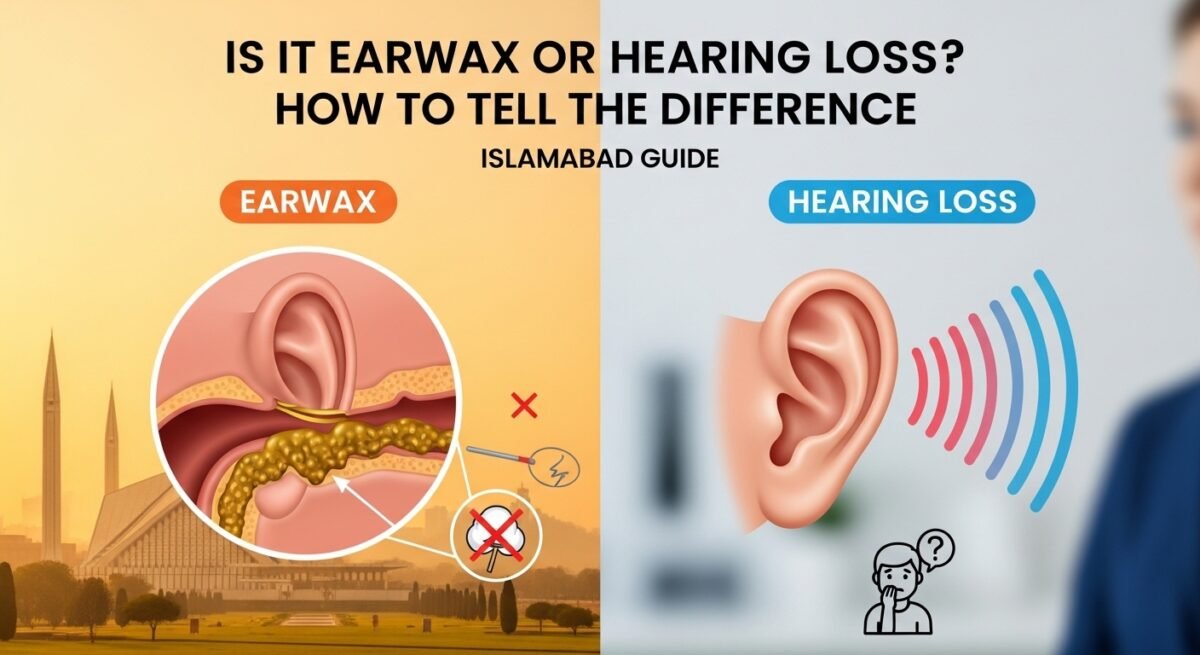
Is It Earwax or Hearing Loss? How to Tell the Difference (Islamabad Guide)

Many patients visiting a hearing clinic in Islamabad ask the same question:

“Is my hearing problem just earwax, or am I developing hearing loss?”

It’s a valid concern. In Pakistan, especially among adults over 50, hearing difficulties are often ignored or mistaken for temporary blockage. Some people try home remedies. Others delay getting a proper hearing test in Islamabad, assuming it’s minor.

The truth? Earwax and hearing loss can feel similar — but they require very different treatments.

In this comprehensive guide, we’ll help you:

  • Understand the difference between earwax blockage and true hearing loss
  • Recognize warning signs
  • Learn when to see an audiologist in Islamabad
  • Explore treatment options
  • Understand hearing aids price in Pakistan
  • Know when to book a professional evaluation

If you’re searching for the best hearing clinic near me, this guide will help you make an informed decision.

Hearing Loss Statistics: Why This Matters

According to the World Health Organization (WHO):
https://www.who.int/health-topics/hearing-loss

  • Over 430 million people worldwide require rehabilitation for hearing loss.
  • By 2050, nearly 1 in 4 people may experience some degree of hearing impairment.

The CDC reports:
https://www.cdc.gov/ncbddd/hearingloss/

  • 1 in 3 adults aged 65–74 has hearing loss.

The National Institute on Deafness and Other Communication Disorders (NIDCD) explains that hearing loss is often gradual and unnoticed:
https://www.nidcd.nih.gov/health/hearing-aids

According to Mayo Clinic:
https://www.mayoclinic.org/diseases-conditions/hearing-loss

Sudden hearing changes should always be evaluated immediately.

The American Speech-Language-Hearing Association (ASHA) emphasizes early intervention:
https://www.asha.org/public/hearing/

In Pakistan, awareness remains limited which is why visiting a certified hearing center in Pakistan is critical for early diagnosis.

What Is Earwax (Cerumen)?

Earwax is a natural substance produced by glands in your ear canal. It:

  • Protects against dust and bacteria
  • Prevents infections
  • Lubricates the ear canal

However, excessive buildup can cause blockage.

Common Causes of Earwax Blockage

  • Using cotton buds (pushes wax deeper)
  • Wearing earbuds frequently
  • Hearing aid use
  • Narrow ear canals
  • Aging

What Is Hearing Loss?

Hearing loss occurs when:

  • The inner ear (sensorineural) is damaged
  • The middle ear has mechanical problems
  • The auditory nerve is affected

It may be:

  • Mild
  • Moderate
  • Severe
  • Profound

Unlike earwax, hearing loss usually does not resolve on its own.

Earwax vs Hearing Loss: Key Differences

Symptom Earwax Blockage Hearing Loss
Sudden onset Often Usually gradual
Ear feels blocked Yes Rare
Pain Sometimes Rare
Ringing (Tinnitus) Mild Common
Improves after cleaning Yes No
Speech clarity issues Mild Significant

If symptoms persist, it’s time to book a comprehensive hearing test in Islamabad:

Signs You Should Not Ignore

Signs of Earwax Buildup
  • Feeling of fullness in ear
  • Temporary muffled sound
  • Itching
  • Mild discomfort
Signs of Hearing Loss
  • Frequently saying “What?”
  • Increasing TV volume
  • Difficulty hearing in noisy places
  • Avoiding conversations
  • Ringing in ears (may require tinnitus treatment in Islamabad)

Parents should watch for:

  • Child not responding to sound
  • Speech delay
  • Turning head toward only one side

In such cases, consider pediatric hearing services Islamabad.

Risk Factors in Pakistan

Common causes of hearing loss locally include:

  • Aging
  • Diabetes & hypertension
  • Noise exposure (traffic, industrial areas)
  • Untreated ear infections
  • Ototoxic medications

Diagnosis: How an Audiologist in Islamabad Determines the Difference

The only reliable way to know is a professional evaluation.

At a reputable hearing clinic in Islamabad, testing may include:

1. Otoscopy

Visual inspection for wax blockage.

2. Pure Tone Audiometry

Measures hearing thresholds.

3. Tympanometry

Assesses middle ear function.

4. Speech Testing

Evaluates clarity and understanding.

If you’re unsure, it’s best to book a comprehensive hearing test in Islamabad instead of guessing.

Treatment Options

If It’s Earwax
  • Professional microsuction
  • Irrigation (if suitable)
  • Avoid home remedies
If It’s Hearing Loss

Depending on severity:

  • Monitoring
  • Medical treatment
  • Hearing aids
  • Tinnitus management
  • Cochlear implant referral (in severe cases)

You can learn about tinnitus treatment options through specialized care if ringing persists.

Types of Hearing Aids Available in Islamabad

If hearing loss is confirmed, your audiologist in Islamabad may recommend:

Type Best For Visibility Technology Level
BTE (Behind-the-Ear) Moderate–Severe Visible Advanced
ITE (In-the-Ear) Mild–Moderate Semi-visible Moderate
RIC (Receiver-in-Canal) Most adults Discreet Advanced
Invisible (IIC) Mild loss Nearly invisible Premium

You can explore advanced digital hearing aids with Bluetooth and rechargeable options.

Hearing Aids Price in Pakistan (Estimated 2026)

Category Price Range (PKR)
Basic Digital 45,000 – 85,000
Mid-Range 90,000 – 180,000
Advanced Bluetooth 200,000 – 350,000
Premium AI-Based 400,000+

Actual cost depends on:

  • Technology level
  • Brand
  • Custom fitting
  • Warranty

Always consult a certified hearing center in Pakistan for accurate pricing.

2026 Hearing Technology Trends

Modern devices now offer:

  • AI noise reduction
  • Smartphone connectivity
  • Rechargeable batteries
  • Real-time sound adaptation
  • Health tracking features

Advanced hearing care in Islamabad now rivals global standards.

Buying Checklist Before You Decide

✔ Get a professional diagnosis
✔ Ask about trial period
✔ Understand warranty
✔ Compare digital features
✔ Confirm after-sales support
✔ Avoid buying online without testing

If searching “best hearing clinic near me,” prioritize certified audiologists over discount sellers.

Frequently Asked Questions (FAQ Schema Ready)

Q1: How do I know if it’s earwax or hearing loss?

A professional hearing test is the only accurate way to differentiate.

Q2: Where can I get a hearing test in Islamabad?

At a certified hearing clinic in Islamabad with a licensed audiologist.

Q3: How much do hearing aids cost in Pakistan?

Prices range from PKR 45,000 to 400,000+ depending on technology.

Q4: Can earwax cause permanent hearing loss?

Usually no, unless untreated infections develop.

Q5: Is tinnitus permanent?

Not always. Tinnitus treatment in Islamabad can help manage symptoms.

Q6: Are digital hearing aids better?

Yes, they offer better clarity and noise reduction.

Q7: Can children have hearing loss?

Yes. Early pediatric hearing services Islamabad are critical.

Q8: Should I try home remedies first?

No. Professional evaluation is safer and more accurate.

When Should You Book an Appointment?

If you experience:

  • Persistent muffled hearing
  • Ringing in ears
  • Sudden hearing drop
  • Difficulty understanding speech

Do not delay. You can schedule your consultation today with a qualified specialist.

Early diagnosis improves outcomes dramatically.

Final Thoughts: Don’t Guess – Test

Earwax is temporary. Hearing loss can be permanent.

The only way to know the difference is a professional assessment.

If you’re in Pakistan especially Islamabad don’t rely on assumptions or home remedies.

Take the safe, smart step:

👉 Book a comprehensive hearing test in Islamabad
👉 Schedule your consultation today

Protect your hearing, your communication, and your quality of lifeYour hearing matters and early action makes all the difference.

Categories
Hearing Solutions Hearing Protection

Tele-Audiology & Remote Hearing Care in Islamabad: Online Tests, Remote Adjustments & Expert Support

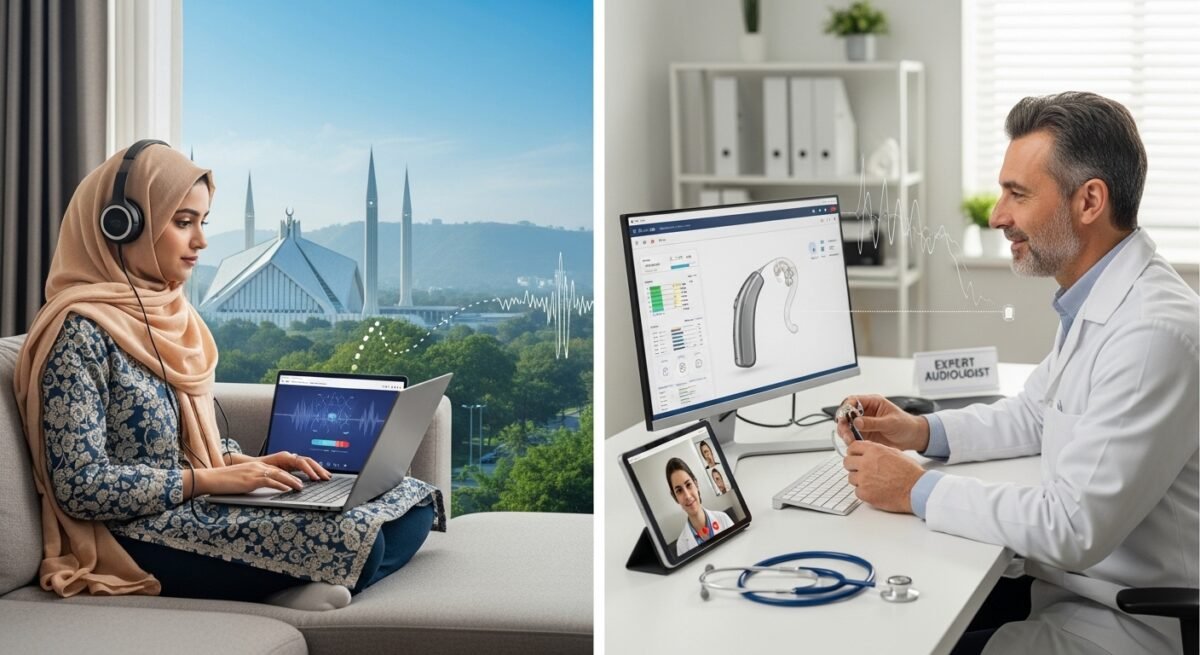
Hearing care in Pakistan is rapidly evolving. With increasing internet access, telemedicine expansion, and greater awareness about hearing health, tele-audiology in Islamabad is becoming a reliable, convenient solution for patients of all ages.

Whether you’re an elderly adult struggling with hearing loss, a busy professional searching for a hearing clinic in Islamabad near me, or a parent concerned about your child’s hearing, remote hearing care now offers safe, accurate, and effective support—without frequent in-clinic visits.

At IHC Hearing, we combine clinical expertise with cutting-edge telehealth tools to deliver online hearing tests, remote hearing aid programming, tinnitus management, and expert follow-up care across Pakistan.

Why Tele-Audiology Matters in Pakistan

Hearing loss is more common than most people realize.

According to the World Health Organization (WHO):

  • Over 430 million people worldwide need rehabilitation for disabling hearing loss.

  • By 2050, nearly 1 in 4 people may experience hearing problems.

The Centers for Disease Control and Prevention (CDC) highlights that untreated hearing loss increases the risk of:

  • Cognitive decline
  • Depression
  • Social isolation
  • Falls in older adults

The National Institute on Deafness and Other Communication Disorders (NIDCD) also confirms that early diagnosis significantly improves treatment outcomes.

In Pakistan, especially in urban cities like Islamabad, rising noise exposure, aging populations, and delayed treatment have increased demand for accessible hearing care.

Tele-audiology bridges this gap.

What Is Tele-Audiology?

Tele-audiology is the delivery of hearing healthcare services using secure digital platforms. It allows patients to connect with a qualified audiologist in Islamabad from their home.

It includes:

  • Online hearing screenings
  • Video consultations
  • Remote hearing aid programming
  • Digital tinnitus therapy adjustments
  • Counseling & rehabilitation sessions
  • Pediatric follow-ups

For many patients, tele-audiology reduces travel time, cost, and repeated clinic visits—while maintaining clinical accuracy.

Who Should Consider Remote Hearing Care?

Tele-audiology is ideal for:

Adults 50+ Experiencing:
  • Difficulty understanding conversations
  • Frequently increasing TV volume
  • Ringing in the ears (tinnitus)
  • Asking people to repeat themselves
Parents Concerned About:
  • Delayed speech development
  • Lack of response to sound
  • Frequent ear infections
Busy Professionals:
  • Limited time for in-clinic visits
  • Need discreet hearing aid adjustments
  • Ongoing hearing aid fine-tuning

Signs You May Need a Hearing Test

If you notice any of the following, schedule a consultation:

  • Difficulty hearing in noisy environments
  • Trouble on phone calls
  • Ringing or buzzing in ears
  • Fatigue after conversations
  • Withdrawal from social activities
  • Children not responding to name consistently

You can begin with an online screening, but for diagnosis, book a comprehensive hearing test in Islamabad at IHC Hearing.

Online Hearing Tests: How Accurate Are They?

Online hearing tests are excellent screening tools. They:

✔ Detect potential hearing loss
✔ Identify need for clinical evaluation
✔ Monitor hearing aid performance
✔ Track hearing changes over time

However, they do not replace diagnostic audiometry done in a sound-treated room.

At IHC Hearing, our remote pre-screenings are followed by in-clinic assessments at our hearing center in Pakistan for confirmation when needed.

Remote Hearing Aid Adjustments: How It Works

Modern digital hearing aids support wireless programming via secure apps.

Here’s the process:

  1. Patient books virtual appointment
  2. Connects via smartphone app
  3. Audiologist accesses hearing aid settings
  4. Real-time adjustments made
  5. Patient tests sound immediately

This service is especially beneficial for patients in Islamabad who want to avoid traffic and long waits at a hearing clinic.

Learn more about our advanced hearing aids in Islamabad and compatible models.

Types of Hearing Aids Available with Remote Support

Type Best For Visibility Remote Compatible
Behind-the-Ear (BTE) Moderate–Severe Loss Visible Yes
Receiver-in-Canal (RIC) Mild–Moderate Low Yes
In-the-Ear (ITE) Moderate Moderate Limited
Completely-in-Canal (CIC) Mild Minimal Limited
Rechargeable Digital All Ages Low Yes

Remote-compatible devices are recommended for tele-audiology users.

Hearing Aid Prices in Pakistan (2026 Estimate)

Prices vary by technology level, brand, and remote features.

Technology Level Features Price Range (PKR)
Basic Digital Noise reduction 45,000 – 85,000
Mid-Level Smart Bluetooth + App 90,000 – 180,000
Advanced AI Auto adaptation + Remote 190,000 – 350,000
Premium Rechargeable Full AI + Tinnitus Masking 350,000 – 600,000

Exact pricing depends on hearing loss severity and customization.

Book a consultation to compare options with a certified audiologist in Islamabad.

Tele-Audiology for Tinnitus Treatment

Ringing in the ears affects millions worldwide. According to the Mayo Clinic, tinnitus may be linked to hearing loss, noise exposure, or underlying medical conditions.

Remote tinnitus management includes:

  • Sound therapy adjustments
  • Counseling sessions
  • Tinnitus retraining therapy
  • Hearing aid masking fine-tuning

Explore expert tinnitus treatment in Islamabad today.

Pediatric Tele-Audiology in Pakistan

Children require specialized hearing assessments. Tele-support can:

  • Guide parents through home observation tests
  • Provide speech therapy coordination
  • Offer hearing aid troubleshooting
  • Monitor device use compliance

Visit our pediatric hearing services in Islamabad for child-focused care.

2026 Hearing Technology Trends in Pakistan

Tele-audiology is powered by major innovations:

1. AI-Powered Sound Processing

Hearing aids automatically adapt to environments.

2. Smartphone-Based Programming

No clinic visit needed for fine-tuning.

3. Cloud-Based Hearing Profiles

Settings stored securely online.

4. Real-Time Health Monitoring

Some devices track steps and heart rate.

5. Advanced Tinnitus Masking Algorithms

The American Speech-Language-Hearing Association (ASHA) predicts continued growth in remote hearing rehabilitation worldwide.

Pakistan is aligning with these global standards, especially in urban centers like Islamabad.

Buying Checklist: Choosing Tele-Compatible Hearing Aids

Before purchasing, ask:

  • Is the device remote-programmable?
  • Does it include smartphone connectivity?
  • Is after-sale tele-support available?
  • Are follow-ups included in price?
  • Is warranty valid in Pakistan?
  • Does it support tinnitus therapy?

Always consult a licensed audiologist in Islamabad before purchase.

Tele-Audiology vs In-Clinic Care

Feature Tele-Audiology In-Clinic
Convenience High Moderate
Diagnostic Accuracy Screening-level Gold standard
Hearing Aid Adjustments Yes Yes
Emergency Ear Conditions No Yes
Pediatric Testing Limited Comprehensive

Best results come from combining both approaches.

Frequently Asked Questions (FAQ)

1. Is tele-audiology reliable in Pakistan?

Yes. Remote adjustments and screenings are clinically validated when supervised by licensed professionals.

2. Can I buy hearing aids online in Islamabad?

You can initiate consultation online, but fitting and programming should be done by a certified audiologist.

3. How long does an online hearing test take?

Typically 5–15 minutes for screening; full diagnostic testing requires clinic visit.

4. Are remote hearing aid adjustments safe?

Yes. Adjustments are encrypted and performed through manufacturer-approved platforms.

5. What is the cost of a hearing test in Islamabad?

Costs vary depending on type of test. Contact our clinic for updated pricing.

6. Can children use tele-audiology services?

Yes, but diagnostic testing must be performed in-clinic.

7. Do all hearing aids support remote care?

No. Only newer digital and AI-enabled models support full tele-programming.

8. Is tinnitus treatable online?

Yes. Counseling and sound therapy adjustments can be done remotely.

9. How do I find a hearing clinic near me in Islamabad?

Search for a licensed hearing clinic with certified audiologists and remote support capability.

10. When should I see an audiologist in person?

If you have sudden hearing loss, ear pain, discharge, or severe dizziness.

Why Choose IHC Hearing – Leading Hearing Clinic in Islamabad

✔ Certified audiologists
✔ Advanced digital hearing aids
✔ Tele-audiology & remote support
✔ Pediatric expertise
✔ Transparent hearing aid pricing
✔ Compassionate patient care

We are committed to delivering world-class hearing solutions in Pakistan—both in-clinic and virtually.

Ready to Improve Your Hearing?

Don’t ignore the early signs of hearing loss.

If you’re searching for:

  • Hearing clinic in Islamabad near me
  • Hearing aid prices in Pakistan
  • Audiologist in Islamabad
  • Tinnitus treatment in Islamabad

We are here to help.

👉 Book your comprehensive hearing test in Islamabad today.
Visit our contact page to schedule an appointment.

Your hearing matters. Early action leads to better outcomes.

Final Word

Tele-audiology is not the future it is the present of hearing care in Pakistan. By combining digital convenience with clinical excellence, patients in Islamabad now have access to safer, faster, and more affordable hearing support than ever before.

If you or a loved one is experiencing hearing difficulties, take the first step today.

Because better hearing means better living.

Categories
Hearing Protection Hearing Solutions

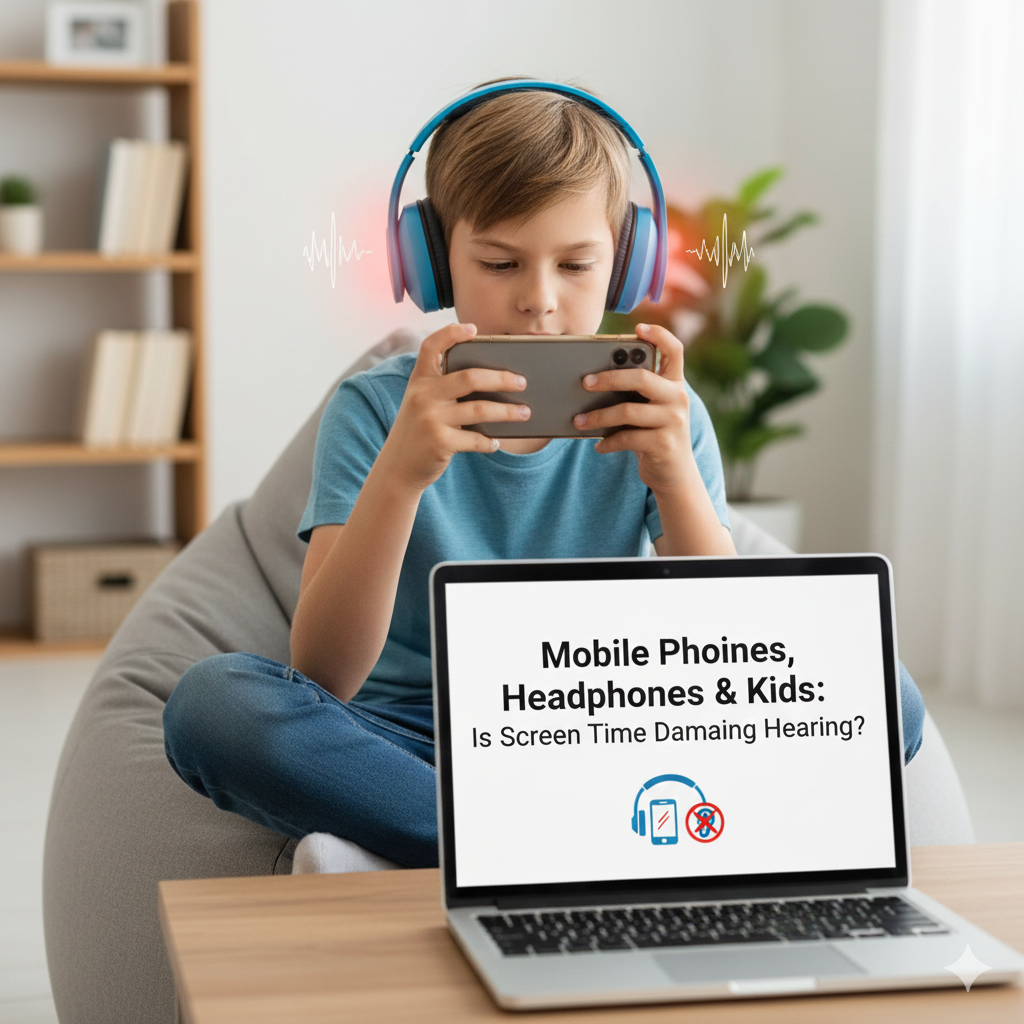
Mobile Phones, Headphones & Kids: Is Screen Time Damaging Hearing?

Children in Pakistan are using phones, tablets, and headphones more than ever. Whether it’s online classes, YouTube, or TikTok, many parents wonder:

“Could all this screen time harm my child’s hearing?”

The short answer: yes, if exposure is too loud or prolonged. In this blog, we’ll explore how screen time affects hearing, what warning signs to watch for, and practical tips to protect your child’s ears.

How Screen Time Can Affect Kids’ Hearing

Noise-Induced Hearing Loss (NIHL)

  • Listening at high volumes through headphones can damage hair cells in the inner ear.

  • Damage accumulates over time — even mild daily exposure matters.

Earphones vs Headphones

  • Earbuds sit inside the ear canal → louder and closer to eardrum → higher risk.

  • Over-ear headphones are safer if volume is controlled and breaks are taken.

Duration Matters

  • WHO recommends no more than 1 hour/day for young kids at moderate volume.

  • Continuous long sessions increase the risk of permanent hearing issues.

Signs Your Child May Be Experiencing Hearing Stress

Parents should watch for subtle signals:

  • Frequently asking “What?” or “Repeat that”

  • Turning up volume higher than normal

  • Complaining of ear ringing (tinnitus)

  • Difficulty following conversations in noisy environments

Early detection is key — a pediatric audiology check can prevent long-term damage.

How Technology and Daily Life Increase Risk in Pakistan

Common Factors

  • Loud classroom or traffic noise

  • Extended mobile/YouTube/TV use

  • Kids sharing earbuds or headphones

  • Lack of parental supervision on volume

Cultural Considerations

In many Pakistani households, children spend long hours on mobile phones or tablets, especially in cities. Awareness about safe listening habits is still low.

Practical Tips to Protect Your Child’s Hearing

Volume & Listening Habits

  • Keep devices at <60% of maximum volume

  • Encourage the 60/60 rule: 60 minutes at 60% volume

  • Use over-ear headphones instead of earbuds

Breaks and Screen-Free Time

  • Take 5–10 minute breaks every hour

  • Encourage outdoor play to reduce ear stress

Ear Health Awareness

  • Teach children not to share headphones

  • Avoid listening in noisy environments at high volume

  • Schedule regular hearing checkups, especially for heavy device users

Alternative Entertainment Ideas

If your child loves videos, try safer alternatives:

  • Audiobooks at moderate volume

  • Podcasts through safe headphones

  • Outdoor activities or sports

  • Family reading or story sessions

When to Seek Professional Help

Book an appointment with a pediatric audiologist if your child:

  • Frequently complains of ear ringing or pain

  • Shows difficulty understanding conversations

  • Turns up volume constantly

  • Has been exposed to prolonged loud noise

Early action protects hearing before permanent damage occurs.

How IHC Hearing Supports Hearing Health

At IHC Hearing, we provide:

  • Pediatric hearing assessments

  • Ear protection guidance for screen-heavy lifestyles

  • Follow-up care for children with noise-induced hearing risk

👂 Start hearing-safe habits early to protect your child’s future.

Final Thoughts

Smartphones, tablets, and headphones are now a part of life even for kids in Pakistan. But prolonged exposure at high volume can quietly damage hearing.

By teaching safe listening habits, taking breaks, and monitoring volume, parents can protect children’s ears while still enjoying technology. Early evaluation by audiologists ensures your child develops healthy hearing habits for life.

Categories
Hearing Solutions

Too Weak to Travel, Too Proud to Ask Until Help Came Home

Aging brings many gifts wisdom, stories worth retelling, and the quiet dignity of experience. But it can also bring limitations we never thought we’d face. For many seniors and their families, the slow onset of hearing loss isn’t just a health issue it’s a deep, emotional journey. When mobility becomes a challenge and pride prevents asking for help, hearing loss can quietly isolate even the most social individuals. That’s where the difference is made when help came home.

The Silent Struggle: Can’t Visit Hearing Clinic

Not everyone can simply hop in a car and head to a clinic. Whether due to physical limitations, chronic illness, or distance from urban centers, many individuals find they simply can’t visit a hearing clinic. And for some, especially our elderly loved ones, asking for help feels like a loss of independence.

That was the story of Mr. Ahmed, an 82-year-old retired professor in Rawalpindi. His family noticed he no longer engaged in conversations. His grandchildren’s laughter no longer brought him joy, because he couldn’t hear it. Yet he never said a word. He was too proud to ask, and frankly, too weak to travel. Fortunately, help came home and it changed everything.

Islamabad Hearing Center: When Help Finds You

The Islamabad Hearing Center (IHC) has become a lifeline for families across Pakistan who are seeking hearing loss help for parents or grandparents hearing care. They understand that some needs simply can’t wait for an appointment in a distant clinic. That’s why they offer compassionate hearing care directly at your doorstep.

Their mission is rooted in the belief that hearing health made easy is not a luxury it’s a necessity. Through their innovative and client-centered services, they provide a private hearing consultation at home, ensuring complete discretion and comfort for patients who may otherwise resist traditional clinic visits.

Hearing Aid Without Leaving Home

With IHC, your loved ones can receive a hearing aid without leaving home. The process is simple: one call, and a trained audiologist arrives at your door, equipped to perform tests, recommend solutions, and fit devices—all within the comfort of your home. This discreet hearing support is tailored to preserve dignity while delivering real results.

It’s also a relief for busy families. Whether you’re seeking family hearing support at home or need a long-term home hearing care solution, IHC bridges the gap between need and accessibility.

When Help Came Home, Everything Changed

For Mr. Ahmed, the arrival of IHC’s mobile audiologist was more than a medical visit it was a reconnection. After a quick yet thorough evaluation, he was fitted with a digital hearing aid tuned specifically for his needs. The change was immediate. He laughed at his grandson’s jokes. He rejoined dinner table conversations. His eyes lit up again.

And his daughter, who had been searching online for help for hearing at home, finally felt peace knowing her father was no longer suffering in silence.

That’s the heart of what it means when help came home. It’s not just about sound it’s about restoring the small, priceless interactions that define our everyday joy.

Breaking the Silence with Compassion

Many families delay hearing care because they fear embarrassing or overwhelming their loved ones. But with IHC, the entire process is built on empathy and respect. Their professionals are trained not just in audiology, but in offering compassionate hearing care that honors the personal dignity of each client.

And because everything takes place within the sanctuary of home, patients feel more relaxed, more heard (literally and emotionally), and more likely to follow through on recommendations.

Designed for Today’s Families

Modern life is hectic. Between careers, parenting, and caregiving, time is stretched thin. Islamabad Hearing Center helps lighten the load by bringing quality care to you. Whether you’re in Islamabad, Rawalpindi, or the surrounding areas, their mobile services make hearing wellness accessible.

If your parents or grandparents have been avoiding care because they’re unable or unwilling to visit a clinic, now is the time to act. With IHC, you no longer have to choose between quality and convenience.

Why Home-Based Hearing Care Matters

Here’s what sets a home hearing care solution apart:

  • Reduced stress for the patient and family

  • Increased comfort and privacy

  • Better compliance with treatment recommendations

  • Tailored care plans based on in-home observations

  • Family involvement during consultations, fostering better outcomes

So if you’re struggling to find hearing loss help for parents or seeking discreet hearing support that respects your loved one’s wishes, Islamabad Hearing Center is here to help.

Final Thoughts: Hearing Health Shouldn’t Wait

Pride and physical limits shouldn’t stand in the way of connection, laughter, and love. The reality is, millions of elderly individuals live with untreated hearing loss simply because they feel they’re too much trouble, or because they can’t visit a hearing clinic.

But now, there’s a better way. With Islamabad Hearing Center, help came home and with it, the return of precious everyday moments.

If you or someone you love is in need of help for hearing at home, don’t wait. Reach out to the professionals who understand, and let their care come to you. Visit ihchearing.com to schedule a private hearing consultation at home today.

Categories
Hearing Devices/Aids Hearing Solutions

Why Are My Hearing Aids Not Working? Troubleshooting Guide

Hearing aids are essential devices for those with hearing loss, providing clarity and improved communication. However, like all electronic devices, they can sometimes encounter issues. If you are experiencing problems with your hearing aids, this hearing aid troubleshooting guide will help you diagnose and fix common issues. Islamabad Hearing Center ihchearing.com is here to assist you with expert solutions.

Common Hearing Aid Problems and Fixes

If you find yourself asking, Why is my hearing aid not working?, don’t panic. Below are some common problems and their solutions.

1. How to Fix a Hearing Aid That Won’t Turn On

If your hearing aid is not turning on, check the following:

  • Battery Issues: Ensure the battery is inserted correctly.
  • Battery Dead: How to check if a hearing aid battery is dead? Try replacing it with a new one.
  • Power Switch: Ensure the device is switched on.
  • Blocked Microphone or Receiver: Clean the openings to remove any debris.
2. Hearing Aid Not Producing Sound – What to Do

If there is no sound:

  • Check the Volume: Ensure it is not too low or muted.
  • Wax Buildup: Earwax can block sound, so clean the hearing aid regularly.
  • Microphone Blockage: Dust or wax may be obstructing sound input.
  • Battery Contact Issues: Ensure the battery contacts are clean.
3. Why Does My Hearing Aid Keep Cutting Out?

A hearing aid that frequently turns off or loses sound may have:

  • Battery Problems: The battery may be loose or low on power.
  • Moisture Damage: How to prevent moisture damage in hearing aids? Keep them dry using a dehumidifier.
  • Wiring Issues: Contact Islamabad Hearing Center for professional repairs.
4. Hearing Aid Sound Distortion Issues

Distorted sound can make conversations difficult. Try:

  • Changing the Battery: Weak batteries may cause distortion.
  • Cleaning the Hearing Aid: Dust and debris can interfere with sound clarity.
  • Checking for Interference: Electronic devices nearby can cause static.
5. Hearing Aid Volume Too Low – Solutions

If your hearing aid volume is too low:

  • Adjust Settings: Increase the volume gradually.
  • Earwax Blockage: Best ways to clean and maintain hearing aids to improve performance.
  • Check for Physical Damage: Cracks or loose parts can reduce sound output.
6. What to Do If Your Hearing Aid Has No Sound

If you hear nothing from your device:

  • Replace the Battery: Test with a fresh battery.
  • Clean the Device: Remove wax and debris.
  • Try a Different Program: Some hearing aids have multiple settings.
7. Why Do My Hearing Aids Whistle or Give Feedback?

Feedback or whistling is a common issue caused by:

  • Improper Fit: Ensure the hearing aid is correctly inserted.
  • Wax Blockage: Clean the ear canal and device.
  • Volume Too High: Lower the volume to reduce feedback.
8. Hearing Aid Static Noise – Causes and Fixes

Static noise can be frustrating. To fix it:

  • Check Battery Contacts: Clean the battery slot.
  • Keep Away from Electronics: Mobile phones and Wi-Fi devices can interfere.
  • Reset the Hearing Aid: Turn it off and on again.
9. How to Prevent Moisture Damage in Hearing Aids

Moisture can significantly damage hearing aids. Prevent it by:

  • Using a Drying Kit: Store the device in a dehumidifier overnight.
  • Avoiding Humidity: Keep hearing aids away from bathrooms and rain.
  • Cleaning Regularly: Wipe with a dry cloth.
10. Bluetooth Hearing Aid Connection Issues

Many modern hearing aids come with Bluetooth capabilities. If you experience connection issues:

  • Restart Your Hearing Aid: Turn it off and back on.
  • Reconnect to Your Device: Forget and re-pair the hearing aid.
  • Check Battery Levels: A low battery may affect connectivity.
11. Hearing Aid Battery Draining Too Fast

If your battery runs out quickly:

  • Turn Off When Not in Use: Switch off your device overnight.
  • Store Properly: Keep batteries in a cool, dry place.
  • Use High-Quality Batteries: Some brands last longer than others.
12. How to Fix a Hearing Aid with Muffled Sound

Muffled sound can make hearing unclear. Fix it by:

  • Cleaning Earwax and Debris: Use a small brush to clear the microphone and speaker.
  • Checking the Tubing: If your device has tubes, ensure they are not bent or blocked.
  • Replacing Old Parts: Filters and domes may need replacement.
13. Best Hearing Aid Repair Tips for Users

If your hearing aid stops working, try these steps before seeking professional help:

  • Replace the Battery: A fresh battery can solve many issues.
  • Check for Loose Connections: Inspect the hearing aid for damage.
  • Reset the Device: Some digital models benefit from a reset.

When to Visit Islamabad Hearing Center

If your hearing aids not working despite trying these troubleshooting steps, it’s time for expert assistance. Islamabad Hearing Center ihchearing.com offers professional hearing aid services in Islamabad, Pakistan, including:

  • Hearing aid repairs
  • Hearing aid cleaning and maintenance
  • Battery replacement and troubleshooting

Conclusion

Dealing with a malfunctioning hearing aid can be frustrating, but with this hearing aid troubleshooting guide, you can resolve most issues quickly. If problems persist, visit Islamabad Hearing Center for professional assistance. With expert technicians and state-of-the-art facilities, we ensure your hearing aids function optimally.

For more details, visit ihchearing.com or book an appointment today!

Categories
Hearing Solutions Hearing Tests Uncategorized

Signs You Might Need a Hearing Test – Don’t Ignore These Symptoms

Hearing is one of the most crucial senses, helping us connect with the world around us. However, many people take their hearing for granted until they start experiencing problems. If you’re living in Islamabad and notice certain signs in your hearing, it might be time to schedule a hearing test. Ignoring hearing loss symptoms can lead to long-term complications and impact your quality of life. At Islamabad Hearing Center, we specialize in diagnosing and treating hearing problems, helping you regain your ability to hear clearly.

In this blog post, we’ll go through the common signs of hearing loss, symptoms that indicate you need a hearing test, and why it’s important to seek professional help as soon as you notice any changes in your hearing ability.

Signs of Hearing Loss You Shouldn’t Ignore

If you’re finding it harder to hear conversations, struggle to hear the TV or phone, or even notice a buzzing in your ears, you may be dealing with early stages of hearing loss. Signs of hearing loss early warning signs can often go unnoticed until they start affecting your daily life.

Here are some of the key signs of hearing loss you should watch out for:

  1. Difficulty Hearing High-Frequency Sounds If you find that you can’t hear the higher-pitched voices of women or children, or certain background noises, this could be a sign that your hearing is deteriorating.
  2. Asking People to Repeat Themselves Constantly needing others to repeat what they say, especially in noisy environments, is another common indication of hearing loss. If you need to turn up the volume on the TV or radio because you can’t hear clearly, it’s time to consider a hearing test.
  3. Tinnitus (Ringing in the Ears) Tinnitus, the sensation of ringing, buzzing, or humming in the ears, is a condition that often accompanies hearing loss. If you experience any sounds in your ears that aren’t coming from an external source, it’s essential to seek help immediately.
  4. Struggling to Hear in Noisy Environments If you find it particularly difficult to follow conversations in busy restaurants, crowded streets, or group settings, your hearing might be impaired. This is one of the most common warning signs of hearing problems that people experience.
  5. Feeling That Others Are Mumbling When others seem to be mumbling or speaking unclearly, but you’re actually the one with hearing issues, it’s time for a hearing test.

Do You Need a Hearing Test? Top Symptoms to Watch For

If you’re noticing one or more of the above symptoms, you may be wondering, “Do I need a hearing test?” If you experience these signs regularly, it’s important to consult a hearing specialist at Islamabad Hearing Center. Here are some top symptoms to watch for:

  • Difficulty Hearing Soft Sounds If you can’t hear softer sounds such as whispers or birds chirping, it could indicate a hearing issue. This often happens when hearing loss is gradual, so you might not notice it at first.
  • Difficulty Understanding Speech You might be able to hear sounds but have difficulty understanding what’s being said, especially in crowded or noisy environments. This could indicate an issue with your auditory processing.
  • Withdrawal from Social Situations Hearing loss can lead to social isolation. If you find yourself avoiding gatherings or family events because it’s difficult to keep up with conversations, it’s a clear sign that your hearing needs attention.

How to Know When It’s Time for a Hearing Test

Wondering when to schedule a hearing test? While everyone’s hearing abilities change with age, there are clear signs when it’s time to get your hearing checked.

  • Gradual Hearing Loss: If you’ve noticed that your hearing isn’t as sharp as it used to be and the problem has been gradually worsening, it’s time for a professional assessment.
  • Family History of Hearing Loss: If hearing loss runs in your family, you might be at higher risk. Genetics can play a role in hearing deterioration, and early intervention can help prevent further damage.
  • Difficulty Hearing Over the Phone: If you have trouble understanding people on the phone, it could be due to a hearing issue. While modern phones can sometimes exacerbate hearing difficulties, consistent issues could signal a more serious problem.
  • Straining to Hear in Quiet Places: If you have trouble hearing even in quiet environments, you should consider seeing a specialist. How to recognize hearing loss symptoms in such situations is vital for early detection.

Warning Signs of Hearing Problems: Don’t Wait!

Ignoring hearing problems can lead to further complications, such as speech delays in children or cognitive decline in older adults. In fact, studies show that untreated hearing loss in older adults is linked to an increased risk of dementia. Here are some warning signs of hearing problems that you should not ignore:

  1. Straining to Hear or Focus If you’re constantly straining to hear what people are saying, or you have to focus intensely on trying to understand speech, this is a clear warning sign that you might need a hearing test.
  2. Difficulty Hearing in Specific Situations If you have trouble hearing in specific situations, such as on the phone, during meetings, or in public spaces, this can indicate a problem with your hearing.
  3. Speech Sounds Muffled If speech sounds muffled or unclear, it could mean that your hearing is not as sharp as it once was. This is often one of the early symptoms of hearing loss.
  4. Balance Problems Your ears not only help you hear, but they also help with balance. If you’re experiencing dizziness or feeling unsteady, it could be a sign that your inner ear is affected.

Symptoms That Indicate You Need a Hearing Test

If you experience any of the following, it’s important to schedule a hearing test as soon as possible:

  • Frequent misunderstanding of conversations
  • Struggling to hear the doorbell or phone ring
  • Feeling isolated because of difficulty hearing
  • Having trouble hearing people with masks or face coverings

These symptoms indicate that hearing loss could be affecting your quality of life and should be addressed promptly.

Why Regular Hearing Tests Are Essential for Your Health

Just as you would visit a doctor for a routine checkup, it’s important to have regular hearing tests. Hearing loss can sometimes occur gradually, and you may not notice it until it begins to impact your life. Regular checkups help identify any issues before they become serious.

At Islamabad Hearing Center, we emphasize the importance of early detection and treatment. Regular hearing tests are essential to maintain your hearing health, improve communication, and enhance your overall well-being.

How to Detect Hearing Loss Before It Gets Worse

Many people don’t realize they have hearing loss until it’s too late. Early detection is key to preventing further damage and improving quality of life. Here’s how to detect hearing loss before it gets worse:

  • Pay attention to changes in your hearing
  • Monitor your ability to hear every day sounds
  • Note if you need to increase the volume of TV or radio

The sooner you take action, the better your chances are of preserving your hearing.

The Top 5 Signs You Need a Hearing Test

Wondering whether you need to schedule a hearing test? Here are the top 5 signs to look out for:

  1. Difficulty hearing in noisy environments
  2. Asking people to repeat themselves frequently
  3. Ringing, buzzing, or whistling sounds in the ear
  4. Trouble hearing people on the phone
  5. Having to turn up the volume on the TV

Ignoring Hearing Problems: Why It Could Be Dangerous

Ignoring hearing problems is not only frustrating but can also be dangerous. Over time, untreated hearing loss can lead to:

  • Cognitive decline in older adults
  • Increased risk of falls
  • Social isolation, which can lead to depression

It’s essential to take action when you notice symptoms that indicate you need a hearing test.

When to See a Hearing Specialist: Key Symptoms

If you experience any of the following, it’s time to see a hearing specialist at Islamabad Hearing Center:

  • Difficulties in speech comprehension
  • Ringing, buzzing, or a feeling of fullness in the ears
  • Feeling off balance or lightheaded
  • Hearing loss after exposure to loud noises

Don’t Ignore These Symptoms – Get Your Hearing Checked Today!

Hearing loss is often gradual, and the symptoms can be easy to overlook. However, early symptoms of hearing loss can be detected through careful attention to changes in your hearing. If you notice any of these warning signs, don’t wait — schedule a hearing test at Islamabad Hearing Center today.

Ignoring hearing problems could have long-term effects on your health, relationships, and overall quality of life. By seeking a hearing test early, you can preserve your hearing and live life to the fullest. Visit ihchearing.com to learn more and book your appointment with one of our hearing specialists today.

Stay proactive with your hearing health, and don’t let small issues become major challenges. Take the first step toward better hearing now!

Categories
Hearing Tests Hearing Protection Hearing Solutions

Why Hearing Tests Are Essential for Adults Over 40

As we age, our bodies undergo various changes, and our hearing is no exception. For adults over 40, hearing health often takes a backseat to other health concerns, but neglecting it can have serious consequences. Regular hearing tests are essential for adults are not just a precaution, they are a necessity. In Islamabad, Pakistan, the Islamabad Hearing Center (IHC) is leading the way in providing comprehensive hearing care for adults, ensuring that age-related hearing issues are detected and managed early.

In this blog, we’ll explore the importance of hearing tests for adults, why regular check-ups matter, and how IHC can help you maintain optimal hearing health. Whether you’re experiencing early signs of hearing loss or simply want to stay proactive, this guide will provide valuable insights into hearing care for adults over 40.

The Importance of Hearing Tests for Adults

Hearing loss is often gradual, making it easy to overlook until it significantly impacts daily life. For adults over 40, hearing tests are essential for adults for detecting issues early and preventing further damage. Here’s why:

  1. Early Detection Saves Quality of Life: Many adults dismiss mild hearing loss as a normal part of aging, but untreated hearing issues can lead to social isolation, depression, and even cognitive decline. Studies have shown a link between untreated hearing loss and dementia, making early detection crucial.
  2. Preventing Age-Related Hearing Loss: While some hearing loss is inevitable with age, regular check-ups can help identify risk factors and provide strategies to slow its progression.
  3. Improved Communication: Hearing loss can strain relationships and hinder effective communication. A simple hearing test can help you stay connected with loved ones and maintain your quality of life.

At Islamabad Hearing Center (IHC), we specialize in providing the best hearing test for adults over 40, ensuring accurate diagnoses and personalized care.

Why Regular Hearing Check-Ups Matter

Many adults assume that hearing tests are only necessary when they notice a problem. However, regular hearing check-ups are vital for maintaining long-term hearing health. Here’s why:

  • Silent Progression: Hearing loss often develops slowly, and by the time symptoms become noticeable, significant damage may have already occurred.
  • Preventive Care: Regular tests can identify early signs of hearing loss, allowing for timely intervention and treatment.
  • Monitoring Changes: For those already experiencing hearing issues, regular check-ups help track changes and adjust treatment plans as needed.

The team at IHC recommends that adults over 40 schedule a hearing test at least once every two years. If you’re experiencing symptoms like difficulty hearing in noisy environments or frequent tinnitus, more frequent check-ups may be necessary.

How Often Should Adults Get a Hearing Test?

The frequency of hearing tests are essential for adults depends on several factors, including age, lifestyle, and existing hearing conditions. Here’s a general guideline:

  • Adults Over 40: Schedule a hearing test every two years, even if you don’t notice any issues.
  • Adults with Risk Factors: If you’re frequently exposed to loud noises, have a family history of hearing loss, or experience symptoms like tinnitus, annual tests are recommended.
  • Seniors: Adults over 60 should consider annual hearing tests, as age-related hearing loss becomes more common.

At IHC, our experts provide a hearing test guide for seniors and middle-aged adults, helping you determine the best schedule for your needs.

Early Signs of Hearing Loss in Middle Age

Recognizing the early signs of hearing loss can make a significant difference in managing the condition. Here are some common symptoms to watch for:

  • Difficulty understanding conversations, especially in noisy environments.
  • Frequently asking others to repeat themselves.
  • Turning up the volume on the TV or radio louder than usual.
  • Ringing or buzzing sounds in the ears (tinnitus).
  • Feeling fatigued after social interactions due to straining to hear.

If you’re experiencing any of these symptoms, it’s time to schedule a hearing test at IHC. Early intervention can prevent further damage and improve your overall quality of life.

What to Expect in a Hearing Test After 40

If you’ve never had a hearing test before, you might be wondering what the process involves. At Islamabad Hearing Center(IHC), our hearing tests are essential for adults are thorough, painless, and designed to provide a clear picture of your hearing health. Here’s what you can expect:

  1. Consultation: Our audiologists will discuss your medical history, lifestyle, and any symptoms you’ve noticed.
  2. Physical Examination: We’ll examine your ears for any visible issues, such as earwax buildup or infections.
  3. Audiometric Testing: Using state-of-the-art equipment, we’ll measure your ability to hear different frequencies and volumes.
  4. Results and Recommendations: Based on the results, we’ll provide a detailed report and recommend appropriate treatment options, if necessary.

Our goal is to make the process as comfortable and informative as possible, ensuring you leave with a clear understanding of your hearing health.

Preventing Age-Related Hearing Loss

While some degree of hearing loss is inevitable with age, there are steps you can take to protect your hearing:

  • Avoid Loud Noises: Prolonged exposure to loud sounds is one of the leading causes of hearing damage in adults over 40. Use ear protection in noisy environments.
  • Maintain a Healthy Lifestyle: Regular exercise and a balanced diet can improve blood flow to the ears, supporting hearing health.
  • Schedule Regular Check-Ups: Early detection is key to preventing further damage.

At IHC, we offer hearing care tips for adults over 40, helping you take proactive steps to preserve your hearing.

Benefits of Hearing Tests for Older Adults

Regular hearing tests are essential for adults offer numerous benefits for older adults, including:

  • Improved Communication: Addressing hearing loss can enhance your ability to connect with others.
  • Reduced Risk of Cognitive Decline: Studies suggest that treating hearing loss can lower the risk of dementia.
  • Enhanced Quality of Life: Better hearing means greater independence and confidence in daily activities.

Risks of Ignoring Hearing Loss After 40

Ignoring hearing loss can have serious consequences, including:

  • Social Isolation: Difficulty hearing can lead to withdrawal from social activities.
  • Mental Health Issues: Untreated hearing loss is linked to depression and anxiety.
  • Cognitive Decline: Research shows a connection between untreated hearing loss and dementia.

Don’t wait until it’s too late. Schedule a hearing test at IHC today and take the first step toward better hearing health.

Hearing Loss Treatment Options for Seniors

If you’re diagnosed with hearing loss, there’s no need to worry. Modern technology offers a range of hearing loss treatment options for seniors, including:

  • Hearing Aids: Custom-fitted devices that amplify sound.
  • Cochlear Implants: For severe hearing loss, these devices can restore hearing.
  • Therapies: Speech and sound therapy can help you adapt to hearing changes.

At IHC, we provide the best solutions for age-related hearing loss, tailored to your unique needs.

Conclusion

Hearing health is a critical yet often overlooked aspect of overall well-being, especially for adults over 40. Regular hearing tests are essential for adults can detect issues early, prevent further damage, and improve your quality of life. If you’re in Islamabad, Pakistan, the Islamabad Hearing Center (IHC) is your trusted partner in hearing care.

Visit ihchearing.com to learn more about our services and schedule your hearing test today. Don’t let hearing loss hold you back—take control of your hearing health now!

Categories
Hearing Loss Hearing Solutions Hearing Tests

How to Find the Best Price Hearing Aids Without Compromising Quality

Best price hearing aids are essential for individuals who need reliable hearing solutions without straining their budget. In Pakistan, where healthcare accessibility and affordability are significant considerations, finding cost-effective hearing aids that maintain high quality can make a considerable difference. This guide will help you navigate the process, ensuring you get the best value without sacrificing performance or durability.

Why Best Price Hearing Aids Matter

Affordability in hearing aids is crucial for widespread accessibility. High-quality hearing aids can transform lives, improving communication, productivity, and overall well-being. However, the challenge lies in balancing affordability with performance. Opting for cheaper alternatives without verifying quality can lead to ineffective solutions and additional expenses in the long run.

Key Considerations for Finding the Best Price Hearing Aids

Key Considerations for Finding the Best Price Hearing Aids

When searching for affordable hearing aids, it’s important to keep several factors in mind to ensure you’re getting a product that meets your needs:

  1. Understand Your Hearing Needs

Different hearing aids cater to varying degrees of hearing loss. Before purchasing, consult with an audiologist to assess your hearing needs. This ensures you select a device that provides the appropriate level of amplification and support.

  1. Research Brands and Models

Not all hearing aids are created equal. Research reputable brands known for their durability, technology, and customer support. Many well-established brands offer budget-friendly models that maintain essential features without the high cost of premium versions.

  1. Compare Prices

Price comparison is crucial when looking for best price hearing aids. Explore multiple vendors, both online and offline, to get a sense of the market rate. Look for special promotions or discounts, especially from authorized dealers.

  1. Check for Features That Matter

Modern hearing aids come with various features, including noise reduction, Bluetooth connectivity, and rechargeable batteries. Identify which features are essential for your lifestyle and prioritize those. Avoid paying extra for advanced features you may not need.

Where to Find the Best Price Hearing Aids

Where to Find the Best Price Hearing Aids

Finding affordable hearing aids involves exploring multiple sources. Here are some of the best places to look:

  1. Local Hearing Centers

Local hearing centers often provide competitive prices and personalized service. They may also offer financing options or payment plans to make hearing aids more affordable. Establishments like Islamabad Hearing Center provide consultations and can guide you to the best options within your budget.

  1. Online Retailers

Online platforms can offer significant savings due to lower overhead costs. However, it’s important to ensure that the retailer is reputable and provides genuine products. Look for customer reviews and ratings to gauge reliability.

  1. Manufacturer Discounts and Promotions

Many hearing aid manufacturers run promotions or offer discounts on older models. Sign up for newsletters from leading manufacturers to stay informed about special offers. These discounts can make high-quality hearing aids more affordable.

  1. Government and Non-Profit Programs

In Pakistan, some government initiatives and non-profits provide hearing aids at subsidized rates. These programs aim to make hearing solutions accessible to low-income individuals. Researching these options can lead to substantial savings.

Evaluating Quality in Affordable Hearing Aids

Evaluating Quality in Affordable Hearing Aids

While finding best price hearing aids is important, ensuring quality is equally critical. Here’s how you can assess the quality of affordable options:

  1. Look for Certifications

Ensure the hearing aid meets international quality standards. Certifications from organizations like the FDA (Food and Drug Administration) or CE (Conformité Européenne) indicate that the product has undergone rigorous testing.

  1. Check Warranty and Support

A reliable warranty indicates the manufacturer’s confidence in their product. Look for hearing aids that come with at least a one-year warranty and offer customer support services. This ensures that you can get help if issues arise.

  1. Test the Device

Whenever possible, test the hearing aid before purchasing. Many hearing centers allow trial periods, giving you the chance to assess the device’s performance in different environments.

  1. Read Customer Reviews

Online reviews and testimonials provide valuable insights into a product’s performance and durability. Look for reviews that mention long-term use and customer support experiences.

Benefits of Investing in Quality Hearing Aids at the Best Price

Affordable hearing aids don’t have to mean low quality. Here’s why investing in the right product at the best price matters:

  1. Improved Hearing Performance

High-quality hearing aids provide better sound clarity and noise reduction, enhancing your listening experience. This is particularly important in social or professional settings where clear communication is essential.

  1. Long-Term Savings

Investing in a durable, reliable hearing aid can save money in the long run. Cheaper, low-quality devices may require frequent repairs or replacements, leading to higher costs over time.

  1. Enhanced Comfort and Fit

Well-made hearing aids offer better comfort and fit, reducing irritation or discomfort during extended use. Many affordable models now come with customizable options to ensure a secure fit.

  1. Access to Essential Features

Affordable hearing aids can include essential features such as feedback cancellation, directional microphones, and programmable settings. These features improve usability without the need for premium pricing.

Common Myths About Affordable Hearing Aids

Common Myths About Affordable Hearing Aids


There are several misconceptions about affordable hearing aids that may deter individuals from considering them. Let’s debunk some of the most common myths:

Myth 1: Affordable Means Low Quality

While it’s true that some low-cost hearing aids may lack advanced features, many affordable models offer excellent quality. It’s essential to choose reputable brands and verify product certifications.

Myth 2: Only Expensive Hearing Aids Work Well

Expensive hearing aids often include advanced features, but basic models can still provide excellent performance. The key is to select a device that matches your specific hearing needs.

Myth 3: Online Purchases Are Risky

While there are risks associated with online shopping, purchasing from reputable online retailers can be safe and cost-effective. Ensure the retailer has a good return policy and customer reviews.

Tips for Maintaining Your Hearing Aids

Proper maintenance extends the lifespan of your hearing aids, ensuring you get the most value from your investment. Here are some maintenance tips:

  1. Clean Regularly

Clean your hearing aids daily to prevent earwax buildup and maintain sound quality. Use a soft, dry cloth and avoid using water or cleaning solutions.

  1. Store Properly

Store your hearing aids in a dry, cool place. Use a dehumidifier to prevent moisture damage, especially in humid climates.

  1. Schedule Regular Check-Ups

Regular check-ups with an audiologist ensure your hearing aids are functioning correctly. Professional cleaning and adjustments can improve performance.

  1. Replace Batteries Promptly

Replace batteries as soon as you notice a decline in performance. Carry spare batteries to avoid interruptions, especially during important events.

Conclusion

Finding best price hearing aids without compromising quality is possible with careful research and consideration. By understanding your hearing needs, comparing prices, and evaluating product quality, you can make an informed decision that balances affordability and performance. Whether you choose local suppliers, online retailers, or government programs, prioritize products that offer reliability, essential features, and strong customer support.

For personalized guidance and affordable options, consider visiting Islamabad Hearing Center. They offer a range of high-quality hearing aids to suit different needs and budgets. Contact Us today to learn more about finding the best hearing solutions for you.

Categories
Hearing Solutions Hearing Protection

Top Causes of Hearing Loss in Young People and How to Prevent Them

Causes of hearing loss in young people are becoming a growing concern in today’s fast-paced, tech-driven world. From exposure to loud sounds to certain medical conditions, young individuals face numerous risks that can compromise their auditory health. Understanding these causes and learning how to prevent them is crucial for maintaining long-term hearing wellness.

Understanding the Causes of Hearing Loss in Young People

Understanding the Causes of Hearing Loss in Young People

Hearing loss in young people is often attributed to a combination of lifestyle choices, environmental factors, and medical conditions. Let’s delve into the most common causes:

  1. Prolonged Exposure to Loud Noises

Constant exposure to high-decibel environments, such as concerts, clubs, or loud music through headphones, is a leading cause of hearing loss among youth. This can result in Noise-Induced Hearing Loss (NIHL), a condition that damages the sensitive hair cells in the inner ear.

  1. Ear Infections

Chronic or untreated ear infections can lead to hearing impairment, especially in younger children. These infections can cause fluid buildup or damage the eardrum, affecting sound transmission.

  1. Genetics and Hereditary Conditions

Some forms of hearing loss are inherited. Genetic predisposition can make individuals more susceptible to early hearing loss, regardless of their lifestyle or environment.

  1. Ototoxic Medications

Certain medications, such as strong antibiotics or chemotherapy drugs, can harm the auditory nerve or inner ear, leading to temporary or permanent hearing loss.

  1. Injuries or Trauma

Head injuries or trauma to the ear can result in hearing impairment. Damage to the eardrum or inner ear structures can significantly affect auditory function.

  1. Poor Ear Hygiene

Improper ear care, such as using cotton swabs incorrectly, can push earwax deeper into the canal, causing blockages and temporary hearing loss.

  1. Lack of Awareness

Many young people underestimate the importance of protecting their ears, leading to preventable hearing damage over time.

How to Prevent the Causes of Hearing Loss in Young People

How to Prevent the Causes of Hearing Loss in Young People

Preventative measures are key to safeguarding hearing health. By adopting the following practices, young individuals can minimize the risk of hearing loss:

  1. Limit Exposure to Loud Noises

Use earplugs or noise-cancelling headphones in loud environments. Reduce the volume on personal devices and take regular breaks from headphone use.

  1. Seek Early Treatment for Ear Infections

Prompt medical attention for ear infections can prevent complications. Regular check-ups ensure that minor issues don’t escalate into major problems.

  1. Know Your Family History

If hearing loss runs in the family, take proactive steps, such as regular audiometric testing, to monitor your hearing health.

  1. Be Mindful of Medications

Consult your healthcare provider about potential side effects of prescribed medications, especially if they are known to be ototoxic.

  1. Protect Your Ears from Trauma

Wear protective gear during sports or activities with a high risk of head injuries. Proper protection can prevent accidental ear damage.

  1. Practice Good Ear Hygiene

Avoid inserting objects into your ears. Instead, use safe ear-cleaning methods or consult a healthcare provider if you experience discomfort.

  1. Raise Awareness

Encourage young people to priorities hearing health through education campaigns and school programs.

Modern Solutions for Addressing Hearing Loss

Modern Solutions for Addressing Hearing Loss

Technological advancements have made it easier to address hearing loss through effective solutions like hearing aids and cochlear implants. Seeking early intervention ensures better outcomes and helps young individuals regain confidence in their hearing abilities.

The Role of Islamabad Hearing Center

Prevention and early diagnosis play a significant role in addressing causes of hearing loss in young people. At Islamabad Hearing Center, we provide comprehensive hearing evaluations and customised solutions to protect and restore auditory health.

Conclusion

Understanding the causes of hearing loss in young people is the first step toward prevention and treatment. By recognizing risk factors and adopting preventative measures, young individuals can safeguard their hearing for the future.

If you or someone you know is experiencing hearing difficulties, don’t wait contact us at Islamabad Hearing Center today. Our experts are here to provide the care and solutions you need to maintain healthy hearing.