Categories
Hearing Loss Hearing Protection Hearing Solutions

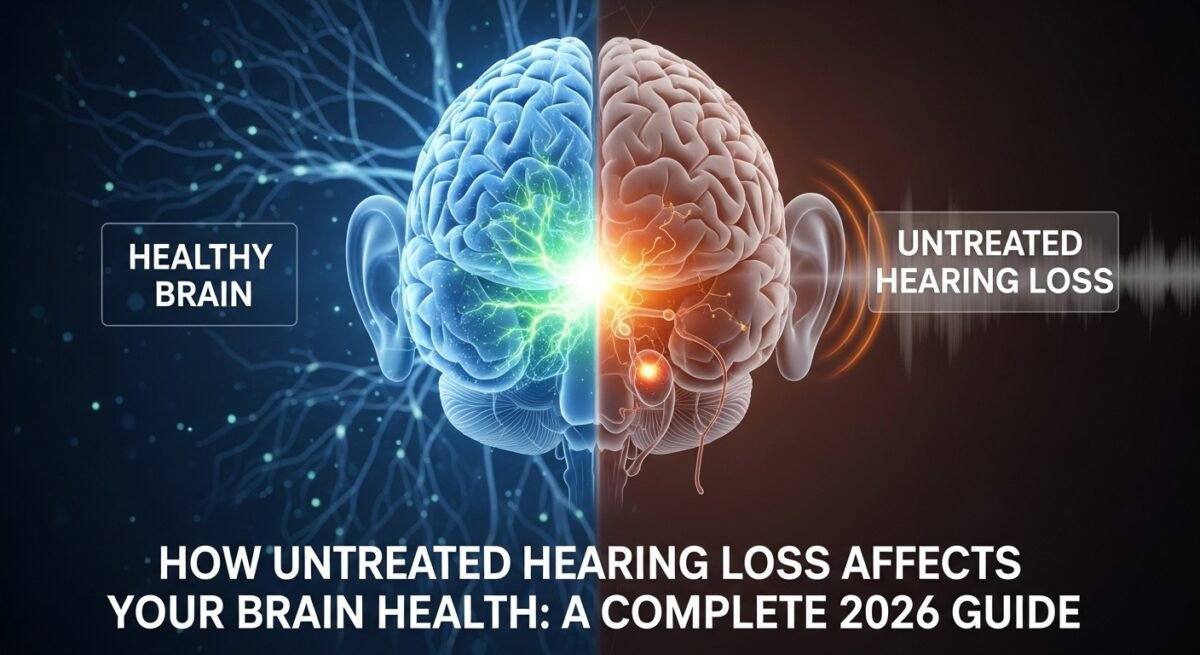
How Untreated Hearing Loss Affects Your Brain Health: A Complete 2026 Guide

When you think about hearing loss, you likely picture the frustration of asking people to repeat themselves or struggling to hear the television. However, modern audiology and neurology have uncovered a much more alarming reality: hearing happens in the brain, not just the ears.

For thousands of adults across Pakistan, ignoring a decline in hearing isn’t just an inconvenience—it is a significant risk factor for cognitive decline, brain atrophy, and even dementia. If you have been searching for the “best hearing clinic near me” because you or a loved one are struggling with auditory clarity, you are already taking the first step toward protecting your long-term brain health.

In this comprehensive guide, we will explore the critical connection between your ears and your brain, outline the latest 2026 audiological treatments, and explain why visiting a premier hearing clinic in Islamabad could be the most important healthcare decision you make this year.

The Silent Epidemic: Why Pakistan Must Prioritize Hearing Health

Our ears function as sophisticated microphones, but it is the brain’s auditory cortex that actually processes, decodes, and understands sound. When you suffer from untreated hearing loss, the brain is deprived of vital acoustic stimulation.

This sensory deprivation leads to three major cognitive consequences:

  1. Cognitive Load: Your brain has to work exceptionally hard just to decipher muffled sounds, stealing mental energy away from memory and comprehension.

  2. Brain Atrophy: Without consistent sound signals, the auditory processing areas of the brain can actually shrink over time.

  3. Social Isolation: The exhaustion of trying to hear often leads people to withdraw from social situations, and isolation is a leading trigger for depression and cognitive decline.

Whether you are an active professional in the capital or an elderly patient enjoying retirement, ignoring these signs is dangerous. Early intervention at a trusted hearing center in Pakistan is vital to keeping your cognitive functions sharp.

The Global and Local Data: What the Experts Say

The connection between hearing and brain health is thoroughly documented by the world’s leading health authorities.

  • World Health Organization (WHO): The WHO reports that over 430 million people globally require rehabilitation for disabling hearing loss, emphasizing that unaddressed hearing loss costs the global economy nearly $980 billion annually due to health sector costs and loss of productivity.

  • Mayo Clinic: According to researchers at the Mayo Clinic, mild hearing loss doubles the risk of dementia, moderate loss triples the risk, and severe hearing impairment increases the risk of dementia by up to five times.

  • Centers for Disease Control and Prevention (CDC): The CDC highlights that prolonged exposure to loud noises—common in bustling urban centers across Pakistan—is a leading cause of preventable sensorineural hearing loss.

  • National Institute on Deafness and Other Communication Disorders (NIDCD): The NIDCD notes that nearly 28.8 million U.S. adults could benefit from hearing aids, yet many wait up to 7 years before seeking help. This delay allows cognitive atrophy to set in.

  • American Speech-Language-Hearing Association (ASHA): ASHA emphasizes that untreated hearing disorders not only impact adults but can severely delay speech and cognitive development in children, making early pediatric screening essential.

Causes and Risk Factors for Hearing Loss

Understanding what causes auditory damage is the first step in prevention. Hearing loss is generally categorized into three types: Sensorineural (nerve damage), Conductive (blockages in the middle/outer ear), and Mixed.

The most common risk factors include:

  • Presbycusis (Age-Related): The natural degradation of inner ear hair cells as we age, typically affecting those 50 and older.

  • Noise-Induced Hearing Loss (NIHL): Caused by chronic exposure to loud environments, traffic, or unsafe headphone usage.

  • Ototoxic Medications: Certain aggressive antibiotics, chemotherapy drugs, and high doses of aspirin can permanently damage the inner ear.

  • Genetics and Medical History: A family history of hearing loss, diabetes, or cardiovascular disease restricts blood flow to the cochlea, accelerating auditory decline.

  • Ear Infections (Otitis Media): Frequent infections, particularly in children, can cause conductive hearing loss. If you suspect your child is struggling, seeking professional pediatric hearing services Islamabad is crucial for their cognitive and academic development.

Signs & Symptoms: When to See an Audiologist in Islamabad

Because hearing loss is gradual, the brain tries to compensate, making it difficult to notice the decline until it becomes severe. Watch for these red flags:

  • The “Mumble” Effect: Feeling like everyone around you is mumbling or not speaking clearly.

  • High Volume: Constantly needing to turn up the TV or radio to levels that are uncomfortably loud for others.

  • Crowd Fatigue: Struggling to follow conversations in noisy environments like restaurants or family gatherings.

  • Ringing in the Ears: Experiencing persistent ringing, buzzing, or hissing sounds. If you experience this, it is time to learn about tinnitus treatment options before it impacts your sleep and mental health.

  • Exhaustion: Feeling physically and mentally drained after socializing due to the intense “listening effort” your brain is exerting.

Diagnosis & Testing: Your Roadmap to Better Hearing

If you recognize the symptoms above, it is time to stop guessing and start measuring. An expert audiologist in Islamabad will not just look in your ears; they will conduct a battery of clinical diagnostics to determine the exact nature and degree of your hearing loss.

What to expect during a clinical evaluation:

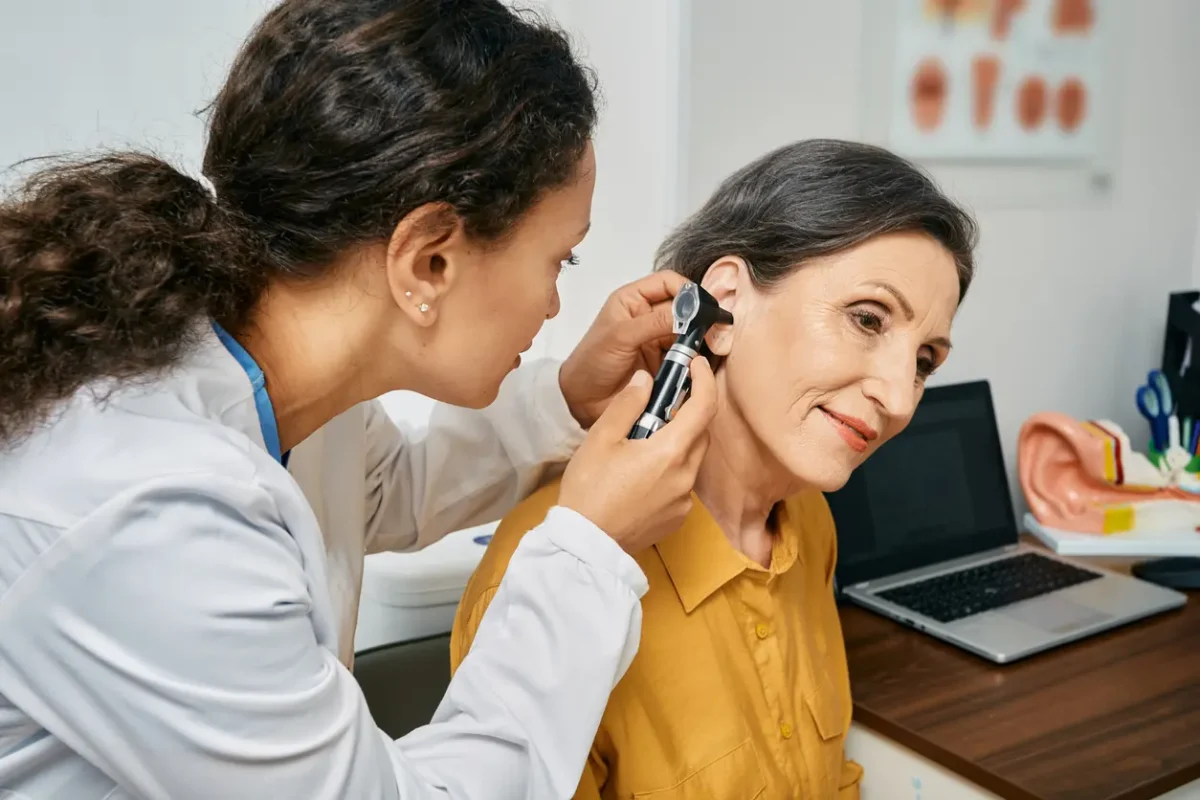
  1. Otoscopy: A physical examination of the ear canal and eardrum to check for wax impaction or physical damage.

  2. Tympanometry: Testing the movement of the eardrum to ensure there is no fluid in the middle ear.

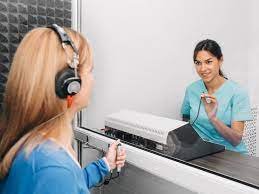
  3. Pure-Tone Audiometry: Sitting in a soundproof booth and listening to various pitches and volumes to map out your exact “hearing footprint” (an audiogram).

  4. Speech Discrimination Testing: Measuring how well your brain can separate and understand human speech, not just raw sound.

Do not wait for cognitive decline to set in. Take proactive action and book a comprehensive hearing test in Islamabad today.

Types of Hearing Aids: Finding Your Perfect Fit

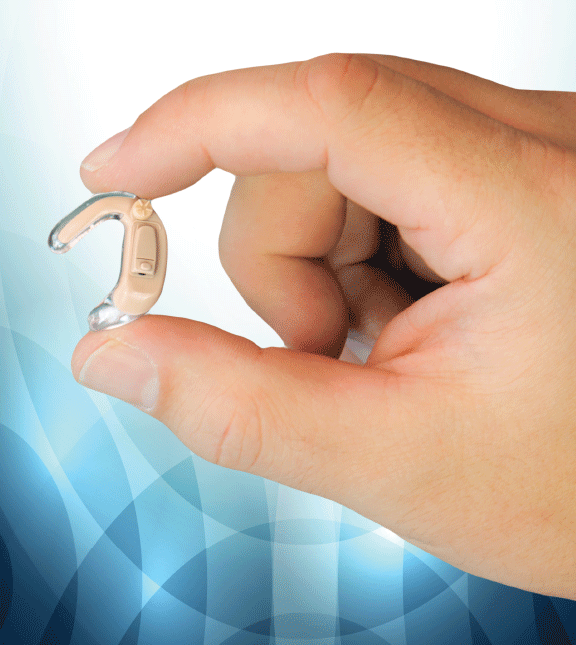
Modern hearing technology is nothing like the bulky, whistling devices of the past. Today, they are sophisticated, miniaturized supercomputers designed to mimic natural brain functions.

When you explore advanced digital hearing aids, you will encounter several styles. Here is a comparison to help you understand your options:

Hearing Aid Style Acronym Best Suited For Key Advantages
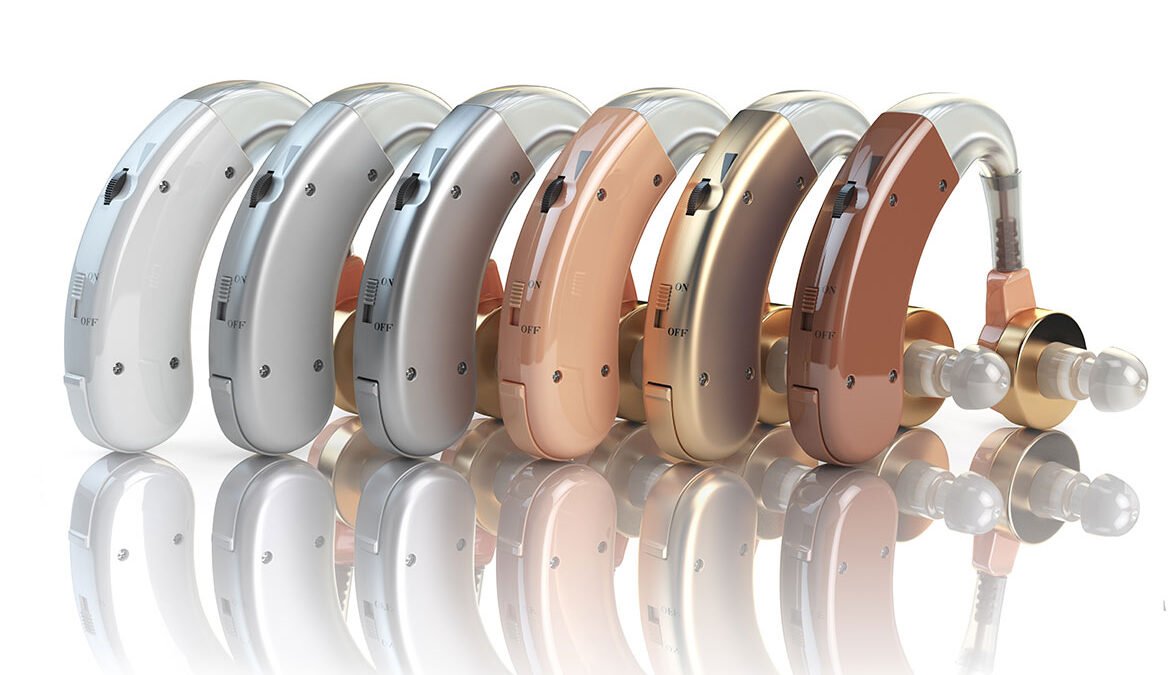
Behind-The-Ear BTE Mild to Profound Loss Most powerful, highly durable, ideal for all ages (including pediatrics).
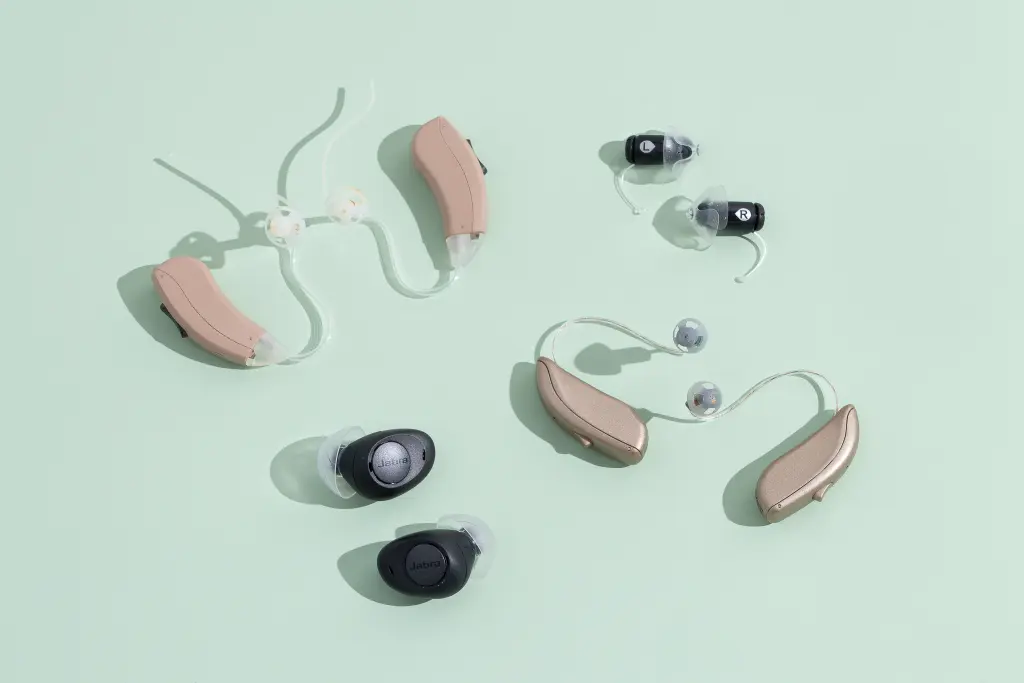
Receiver-In-Canal RIC Mild to Severe Loss Extremely discreet, natural sound quality, very comfortable open fit.
In-The-Ear ITE Mild to Severe Loss Custom-molded to the ear bowl, easier to handle for those with dexterity issues.
Completely-In-Canal CIC Mild to Moderate Loss Nearly invisible, custom-fit, utilizes the ear’s natural anatomy for sound direction.
Invisible-In-Canal IIC Mild to Moderate Loss 100% invisible, sits deep in the ear canal.

Hearing Aids Price in Pakistan: 2026 Estimates

One of the most common questions patients ask is about the hearing aids price in Pakistan. The cost varies significantly based on the technology level, artificial intelligence capabilities, and features like Bluetooth streaming.

Note: The following are estimated price ranges in PKR for a single hearing aid device in 2026. Prices fluctuate based on brand, exact specifications, and import duties.

Technology Tier Estimated Price Range (PKR) Features Included
Basic / Entry-Level Rs. 45,000 – Rs. 90,000 Basic digital processing, background noise reduction, suitable for quiet lifestyles.
Standard / Mid-Range Rs. 95,000 – Rs. 200,000 Directional microphones, basic Bluetooth, automatic environment switching.
Premium / Advanced Rs. 220,000 – Rs. 500,000+ Advanced AI sound processing, Auracast, rechargeable batteries, 360-degree speech tracking.

While the initial investment may seem significant, consider it an investment in your brain health, independence, and overall quality of life.

Comprehensive Treatment Options

Hearing loss is highly individualized, and so is the treatment. At a premier hearing clinic in Islamabad, your treatment plan may include:

  1. Digital Hearing Aids: The primary and most effective treatment for sensorineural hearing loss, restoring the acoustic signals your brain craves.

  2. Tinnitus Management: Specialized sound therapy and masking devices designed to retrain the brain to ignore the persistent ringing of tinnitus. If you suffer from this, you need dedicated tinnitus treatment in Islamabad.

  3. Aural Rehabilitation: Brain-training exercises that help you re-learn how to process complex sounds and focus on speech in noisy environments.

  4. Earwax (Cerumen) Management: Sometimes, hearing loss is simply a conductive issue caused by compacted wax, which an audiologist can safely remove.

2026 Technology Trends in Audiology

The audiology landscape in 2026 is driven by incredible technological advancements. If you are stepping into a hearing center in Pakistan today, here is the technology you can expect:

  • Deep Neural Networks (DNN): Premium hearing aids now feature onboard AI that has been trained on millions of real-world soundscapes. They can instantly separate a friend’s voice from the clatter of a busy cafe.

  • Bluetooth Auracast: The new global standard for audio broadcasting. Soon, you will be able to stream audio directly into your hearing aids from public TVs, airport announcements, and cinema sound systems.

  • Health & Fall Tracking: Many modern devices now include sensors that track your physical activity, monitor heart rates, and even alert family members if you suffer a fall.

  • Rechargeable Lithium-Ion: Say goodbye to tiny, frustrating batteries. Today’s devices offer all-day power on a single overnight charge.

The Ultimate Buying Checklist: Choosing the Best Hearing Clinic Near Me

Not all hearing clinics are created equal. When searching for the best hearing clinic near me, use this checklist to ensure you receive world-class care:

  • Qualified Professionals: Are you being seen by a licensed, experienced Audiologist, or just a salesperson?

  • Comprehensive Testing: Do they use soundproof booths and conduct speech discrimination tests?

  • Real-Ear Measurement (REM): This is non-negotiable. REM uses a tiny microphone in your ear canal to verify that the hearing aid is delivering the exact prescription your brain needs.

  • Trial Periods: Does the clinic offer a grace period to test the devices in your daily life?

  • Aftercare and Warranties: Hearing aids require adjustments, cleaning, and maintenance. Ensure your clinic provides robust aftercare services.

Frequently Asked Questions (FAQs)

1. How do I know if I need a hearing test?

If you frequently ask people to repeat themselves, struggle to hear in crowded rooms, turn the TV volume up high, or experience ringing in your ears, you should book a hearing test immediately.

2. Can hearing loss be cured?

Sensorineural hearing loss (nerve damage) is permanent and cannot be “cured” with medication or surgery. However, it is highly treatable with modern digital hearing aids. Conductive hearing loss (e.g., earwax buildup or fluid) can often be medically or surgically cured.

3. Will wearing a hearing aid stop cognitive decline?

While hearing aids cannot cure Alzheimer’s or dementia, extensive research shows that treating hearing loss significantly reduces the risk of cognitive decline by keeping the brain’s auditory pathways active and engaged.

4. How much does a good hearing aid cost in Pakistan?

The hearing aids price in Pakistan ranges from Rs. 45,000 for basic models to over Rs. 500,000 for premium, AI-driven rechargeable devices. Your audiologist will recommend a model based on your specific medical needs and budget.

5. Do hearing aids help with tinnitus?

Yes. Many modern hearing aids come equipped with built-in tinnitus masking therapy. By amplifying ambient sounds, hearing aids can naturally cover up the ringing or buzzing, providing significant relief.

6. Are there invisible hearing aids available in Islamabad?

Yes. Completely-In-Canal (CIC) and Invisible-In-Canal (IIC) hearing aids are available at top clinics. However, they are suited primarily for mild to moderate hearing loss and depend on the anatomical size of your ear canal.

7. How often should I have my hearing tested?

Adults over the age of 50 should have a baseline hearing test and follow up annually. If you work in a loud environment, you should be tested every year, regardless of age.

8. Where is the best hearing clinic in Islamabad?

For medically accurate diagnostics, advanced technology, and compassionate care, the Islamabad Hearing Center (IHC) is recognized as a leading hearing center in Pakistan, offering everything from adult diagnostics to specialized pediatric care.

Take Action: Protect Your Hearing and Your Brain

Your brain is your most vital asset. Allowing untreated hearing loss to slowly degrade your cognitive health, memory, and social life is a risk you do not have to take.

Whether you are seeking relief from tinnitus, looking for pediatric care for your child, or comparing the latest AI hearing aids, the team of expert audiologists at Islamabad Hearing Center is here to guide you. We combine state-of-the-art diagnostic technology with compassionate, patient-first care to help you reconnect with the sounds you love.

Don’t wait until the silence becomes permanent. Schedule your consultation today and take the first step toward better hearing and a healthier brain.

Categories
Hearing Loss Hearing Solutions

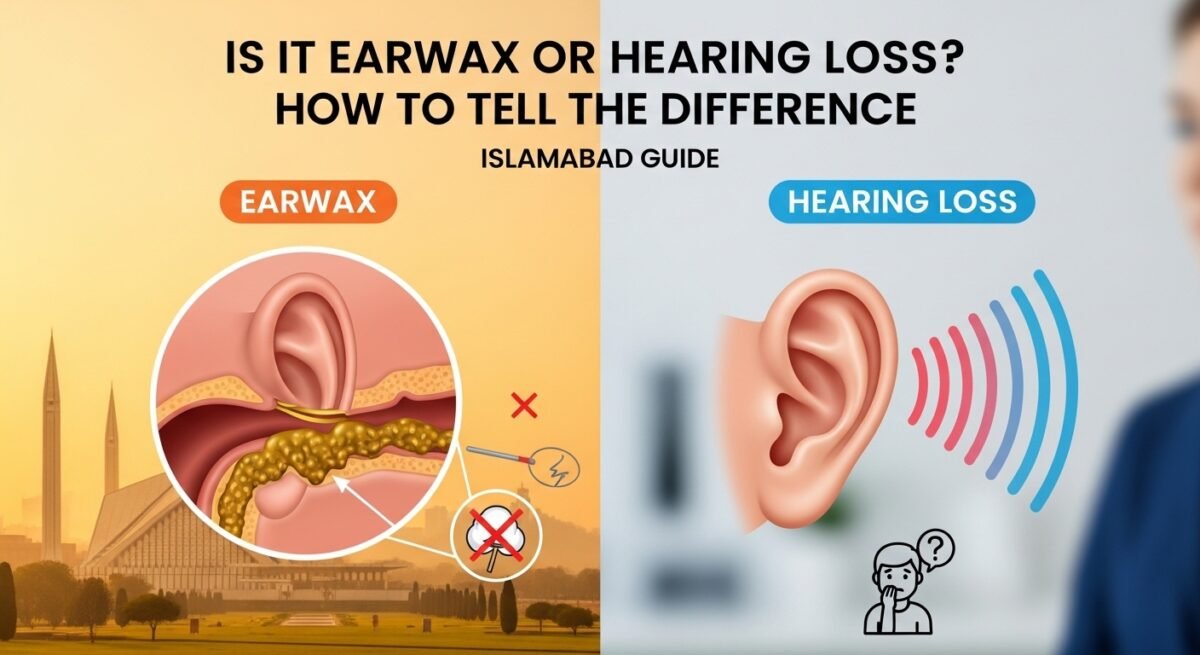
Is It Earwax or Hearing Loss? How to Tell the Difference (Islamabad Guide)

Many patients visiting a hearing clinic in Islamabad ask the same question:

“Is my hearing problem just earwax, or am I developing hearing loss?”

It’s a valid concern. In Pakistan, especially among adults over 50, hearing difficulties are often ignored or mistaken for temporary blockage. Some people try home remedies. Others delay getting a proper hearing test in Islamabad, assuming it’s minor.

The truth? Earwax and hearing loss can feel similar — but they require very different treatments.

In this comprehensive guide, we’ll help you:

  • Understand the difference between earwax blockage and true hearing loss
  • Recognize warning signs
  • Learn when to see an audiologist in Islamabad
  • Explore treatment options
  • Understand hearing aids price in Pakistan
  • Know when to book a professional evaluation

If you’re searching for the best hearing clinic near me, this guide will help you make an informed decision.

Hearing Loss Statistics: Why This Matters

According to the World Health Organization (WHO):
https://www.who.int/health-topics/hearing-loss

  • Over 430 million people worldwide require rehabilitation for hearing loss.
  • By 2050, nearly 1 in 4 people may experience some degree of hearing impairment.

The CDC reports:
https://www.cdc.gov/ncbddd/hearingloss/

  • 1 in 3 adults aged 65–74 has hearing loss.

The National Institute on Deafness and Other Communication Disorders (NIDCD) explains that hearing loss is often gradual and unnoticed:
https://www.nidcd.nih.gov/health/hearing-aids

According to Mayo Clinic:
https://www.mayoclinic.org/diseases-conditions/hearing-loss

Sudden hearing changes should always be evaluated immediately.

The American Speech-Language-Hearing Association (ASHA) emphasizes early intervention:
https://www.asha.org/public/hearing/

In Pakistan, awareness remains limited which is why visiting a certified hearing center in Pakistan is critical for early diagnosis.

What Is Earwax (Cerumen)?

Earwax is a natural substance produced by glands in your ear canal. It:

  • Protects against dust and bacteria
  • Prevents infections
  • Lubricates the ear canal

However, excessive buildup can cause blockage.

Common Causes of Earwax Blockage

  • Using cotton buds (pushes wax deeper)
  • Wearing earbuds frequently
  • Hearing aid use
  • Narrow ear canals
  • Aging

What Is Hearing Loss?

Hearing loss occurs when:

  • The inner ear (sensorineural) is damaged
  • The middle ear has mechanical problems
  • The auditory nerve is affected

It may be:

  • Mild
  • Moderate
  • Severe
  • Profound

Unlike earwax, hearing loss usually does not resolve on its own.

Earwax vs Hearing Loss: Key Differences

Symptom Earwax Blockage Hearing Loss
Sudden onset Often Usually gradual
Ear feels blocked Yes Rare
Pain Sometimes Rare
Ringing (Tinnitus) Mild Common
Improves after cleaning Yes No
Speech clarity issues Mild Significant

If symptoms persist, it’s time to book a comprehensive hearing test in Islamabad:

Signs You Should Not Ignore

Signs of Earwax Buildup
  • Feeling of fullness in ear
  • Temporary muffled sound
  • Itching
  • Mild discomfort
Signs of Hearing Loss
  • Frequently saying “What?”
  • Increasing TV volume
  • Difficulty hearing in noisy places
  • Avoiding conversations
  • Ringing in ears (may require tinnitus treatment in Islamabad)

Parents should watch for:

  • Child not responding to sound
  • Speech delay
  • Turning head toward only one side

In such cases, consider pediatric hearing services Islamabad.

Risk Factors in Pakistan

Common causes of hearing loss locally include:

  • Aging
  • Diabetes & hypertension
  • Noise exposure (traffic, industrial areas)
  • Untreated ear infections
  • Ototoxic medications

Diagnosis: How an Audiologist in Islamabad Determines the Difference

The only reliable way to know is a professional evaluation.

At a reputable hearing clinic in Islamabad, testing may include:

1. Otoscopy

Visual inspection for wax blockage.

2. Pure Tone Audiometry

Measures hearing thresholds.

3. Tympanometry

Assesses middle ear function.

4. Speech Testing

Evaluates clarity and understanding.

If you’re unsure, it’s best to book a comprehensive hearing test in Islamabad instead of guessing.

Treatment Options

If It’s Earwax
  • Professional microsuction
  • Irrigation (if suitable)
  • Avoid home remedies
If It’s Hearing Loss

Depending on severity:

  • Monitoring
  • Medical treatment
  • Hearing aids
  • Tinnitus management
  • Cochlear implant referral (in severe cases)

You can learn about tinnitus treatment options through specialized care if ringing persists.

Types of Hearing Aids Available in Islamabad

If hearing loss is confirmed, your audiologist in Islamabad may recommend:

Type Best For Visibility Technology Level
BTE (Behind-the-Ear) Moderate–Severe Visible Advanced
ITE (In-the-Ear) Mild–Moderate Semi-visible Moderate
RIC (Receiver-in-Canal) Most adults Discreet Advanced
Invisible (IIC) Mild loss Nearly invisible Premium

You can explore advanced digital hearing aids with Bluetooth and rechargeable options.

Hearing Aids Price in Pakistan (Estimated 2026)

Category Price Range (PKR)
Basic Digital 45,000 – 85,000
Mid-Range 90,000 – 180,000
Advanced Bluetooth 200,000 – 350,000
Premium AI-Based 400,000+

Actual cost depends on:

  • Technology level
  • Brand
  • Custom fitting
  • Warranty

Always consult a certified hearing center in Pakistan for accurate pricing.

2026 Hearing Technology Trends

Modern devices now offer:

  • AI noise reduction
  • Smartphone connectivity
  • Rechargeable batteries
  • Real-time sound adaptation
  • Health tracking features

Advanced hearing care in Islamabad now rivals global standards.

Buying Checklist Before You Decide

✔ Get a professional diagnosis
✔ Ask about trial period
✔ Understand warranty
✔ Compare digital features
✔ Confirm after-sales support
✔ Avoid buying online without testing

If searching “best hearing clinic near me,” prioritize certified audiologists over discount sellers.

Frequently Asked Questions (FAQ Schema Ready)

Q1: How do I know if it’s earwax or hearing loss?

A professional hearing test is the only accurate way to differentiate.

Q2: Where can I get a hearing test in Islamabad?

At a certified hearing clinic in Islamabad with a licensed audiologist.

Q3: How much do hearing aids cost in Pakistan?

Prices range from PKR 45,000 to 400,000+ depending on technology.

Q4: Can earwax cause permanent hearing loss?

Usually no, unless untreated infections develop.

Q5: Is tinnitus permanent?

Not always. Tinnitus treatment in Islamabad can help manage symptoms.

Q6: Are digital hearing aids better?

Yes, they offer better clarity and noise reduction.

Q7: Can children have hearing loss?

Yes. Early pediatric hearing services Islamabad are critical.

Q8: Should I try home remedies first?

No. Professional evaluation is safer and more accurate.

When Should You Book an Appointment?

If you experience:

  • Persistent muffled hearing
  • Ringing in ears
  • Sudden hearing drop
  • Difficulty understanding speech

Do not delay. You can schedule your consultation today with a qualified specialist.

Early diagnosis improves outcomes dramatically.

Final Thoughts: Don’t Guess – Test

Earwax is temporary. Hearing loss can be permanent.

The only way to know the difference is a professional assessment.

If you’re in Pakistan especially Islamabad don’t rely on assumptions or home remedies.

Take the safe, smart step:

👉 Book a comprehensive hearing test in Islamabad
👉 Schedule your consultation today

Protect your hearing, your communication, and your quality of lifeYour hearing matters and early action makes all the difference.

Categories
Hearing Loss Hearing Protection

Ear Infections in Children: When Do They Lead to Permanent Hearing Damage?

Ear infections are one of the most common health issues in childhood. Most parents experience them at least once sleepless nights, fever, ear pain, and endless worry. In many cases, ear infections heal without long-term problems.

However, what often goes unnoticed is that repeated or untreated ear infections can sometimes lead to permanent hearing damage, especially in young children whose ears and speech skills are still developing.

This blog explains when ear infections are harmless, when they become dangerous, and how parents can protect their child’s hearing for life.

Why Ear Infections Are Common in Children

Children are more vulnerable to ear infections due to how their ears and immune systems develop.

Factors That Increase Risk

  • Shorter and narrower Eustachian tubes

  • Frequent colds and respiratory infections

  • Exposure to daycare germs

  • Immature immune response

  • Passive smoke exposure

These factors make it easier for fluid to become trapped behind the eardrum, allowing infection to develop.

Types of Ear Infections Parents Should Know About

Not all ear infections affect hearing in the same way.

Acute Otitis Media (AOM)

This is the most common type and usually appears suddenly with pain, fever, and irritability. Hearing loss during AOM is typically temporary and improves with treatment.

Otitis Media with Effusion (OME)

Fluid remains in the middle ear even after infection clears. This often causes mild to moderate hearing reduction, which may go unnoticed because the child feels no pain.

Chronic Suppurative Otitis Media (CSOM)

A long-lasting or recurring infection with persistent discharge. This type carries the highest risk of permanent hearing damage.

Early Warning Signs Parents Should Never Ignore

Children may not clearly express hearing problems, but their behavior often provides clues.

Common Symptoms

  • Tugging or rubbing the ears

  • Poor response when called

  • Increasing TV or mobile volume

  • Delayed or unclear speech

  • Difficulty concentrating in school

Ignoring these signs can allow hearing problems to worsen silently.

When Ear Infections Do NOT Cause Permanent Hearing Damage

The reassuring news is that most childhood ear infections do not lead to lasting hearing loss.

Situations With Full Recovery

  • Early diagnosis and treatment

  • Infrequent infections

  • No damage to the eardrum

  • Complete drainage of middle ear fluid

Temporary hearing reduction during infection is common and usually reversible.

When Ear Infections Can Cause Permanent Hearing Damage

Hearing damage becomes a concern when infections are severe, frequent, or left untreated.

Recurrent Ear Infections

Repeated infections can cause scarring of the eardrum and affect sound transmission.

Persistent Fluid in the Middle Ear

Long-term fluid buildup prevents sound from reaching the inner ear properly, affecting hearing clarity.

Eardrum Perforation

Chronic infections may rupture the eardrum, leading to ongoing hearing difficulties.

Damage to Middle Ear Bones

Severe infections can erode the tiny bones responsible for hearing, resulting in permanent conductive hearing loss.

Impact of Hearing Loss on a Child’s Development

Hearing plays a critical role in a child’s growth and learning.

Speech and Language Development

Children learn to speak by listening. Hearing loss can delay:

  • Vocabulary growth

  • Sentence formation

  • Pronunciation clarity

Learning and Social Interaction

Untreated hearing issues may cause:

  • Poor classroom participation

  • Learning difficulties

  • Social withdrawal or frustration

Early intervention significantly improves outcomes.

How Ear Infections and Hearing Loss Are Diagnosed

Proper diagnosis is essential for protecting hearing.

Medical Examination

ENT specialists assess:

  • Fluid presence

  • Eardrum condition

  • Signs of chronic infection

Hearing Tests for Children

Audiologists may perform:

  • Tympanometry

  • Age-appropriate hearing tests

  • OAE or ABR testing for infants

These evaluations help determine whether hearing has been affected and to what extent.

Treatment Options Based on Severity

Mild or Acute Infections

  • Medication as prescribed

  • Pain relief

  • Careful monitoring

Recurrent or Chronic Infections

  • Ventilation tubes (ear tubes)

  • Long-term infection control

  • Regular follow-ups

Managing Hearing Loss

If hearing does not return fully:

  • Pediatric hearing aids

  • Speech and language support

  • Ongoing audiological care

Preventing Hearing Damage From Ear Infections

Everyday Prevention Tips

  • Keep vaccinations up to date

  • Avoid secondhand smoke

  • Treat colds and allergies early

  • Never insert objects into the ear

Importance of Regular Hearing Checks

Children with frequent ear infections should undergo routine hearing evaluations, even if symptoms seem mild.

When to Seek Immediate Medical Attention

Seek Urgent Care If Your Child Has

  • Persistent ear discharge

  • Sudden hearing loss

  • Severe pain or swelling

  • Balance problems

  • Fever that does not improve

Delaying treatment increases the risk of permanent hearing damage.

How IHC Hearing Supports Children’s Hearing Health

At IHC Hearing, we provide:

  • Child-focused hearing assessments

  • Middle ear and infection management

  • Hearing rehabilitation solutions

  • Long-term pediatric hearing care

👂 Early care protects lifelong hearing.
Schedule a consultation to ensure your child’s hearing develops safely and clearly.

Final Thoughts

Ear infections are common in childhood, but they should never be ignored. While many resolve naturally, repeated or untreated infections can quietly damage a child’s hearing.

With awareness, early diagnosis, and expert care, parents can safeguard their child’s ability to hear, learn, and communicate with confidence.

Categories
Hearing Loss

10 Early Signs of Hearing Loss You Should Never Ignore

Hearing loss often develops gradually, making it difficult to notice in its early stages. Many people dismiss the initial signs as minor inconveniences, background noise, or simply part of aging. However, ignoring these symptoms can worsen communication, affect mental health, and delay treatment options that could improve quality of life.

At Islamabad Hearing Center, we educate patients about the importance of early detection. Recognizing the warning signs allows for timely diagnosis, customized treatment, and better long-term hearing health.

1. Frequently Asking People to Repeat Themselves

If you often find yourself saying, “What did you say?” during conversations, this could be an early indicator of hearing loss. While occasional mishearing is normal, frequent repetition suggests difficulty processing sound clearly.

Tradeoff: Ignoring this sign may cause frustration in relationships. On the other hand, seeking help early can reduce communication barriers.

2. Trouble Understanding Speech in Noisy Environments

Background noise in restaurants, meetings, or social gatherings can make it especially challenging to follow conversations. If voices seem muffled or unclear in noisy places, your auditory system may be struggling to filter sound.

Challenge: Hearing aids with noise-canceling features can help, but adjusting to them takes time and patience.

3. Turning Up the Volume Higher Than Others Prefer

If family members complain that the television or radio is too loud, yet you feel it’s at a normal level, it could mean you’re compensating for reduced hearing sensitivity.

Consideration: Early evaluation can prevent further strain and improve shared experiences with loved ones.

4. Difficulty Hearing High-Pitched Sounds

Sounds like birds chirping, doorbells, or children’s voices are often the first frequencies to fade with hearing loss. Missing these subtle sounds can be an early warning sign.

Impact: This type of hearing loss may progress slowly but can significantly affect daily awareness and safety.

5. Struggling with Phone Conversations

Without visual cues such as lip-reading or facial expressions, hearing difficulties often become more noticeable on the phone. If calls feel unclear or distorted, it may point to early hearing decline.

Tradeoff: While smartphones with Bluetooth-enabled hearing aids improve clarity, not all devices are compatible.

6. Ringing or Buzzing in the Ears (Tinnitus)

Persistent ringing, buzzing, or hissing sounds in your ears can signal hearing loss. Tinnitus is often linked to inner ear damage and should not be ignored.

Challenge: Managing tinnitus requires specialized solutions, such as hearing aids with tinnitus therapy programs.

7. Feeling Tired After Conversations

Listening fatigue—mental exhaustion after prolonged conversations—is common among people with hearing loss. The brain works harder to fill in missing sounds, leading to stress and fatigue.

Consideration: Hearing support can reduce mental strain and improve concentration.

8. Misunderstanding Words or Responding Inappropriately

If you often mishear words or respond incorrectly, it can lead to embarrassment or misunderstandings. This is especially noticeable in group discussions.

Impact: Untreated hearing loss may cause withdrawal from social interactions, increasing the risk of loneliness or depression.

9. Avoiding Social Situations

Some people begin avoiding family gatherings, dinners, or community events because of difficulty following conversations. This self-isolation is a serious consequence of untreated hearing loss.

Tradeoff: While avoiding noise may feel easier, seeking treatment allows you to remain socially active and engaged.

10. Loved Ones Pointing Out Your Hearing Difficulties

Often, family and friends notice hearing loss before the individual does. If loved ones express concern, it is wise to take their observations seriously.

Challenge: Admitting hearing difficulties can be emotionally difficult, but professional evaluation leads to better solutions.

Why Early Detection Matters

Delaying treatment for hearing loss can lead to more than just communication problems. Studies show untreated hearing loss may increase the risk of:

  • Cognitive decline and memory issues
  • Depression and social withdrawal
  • Reduced job performance and career opportunities
  • Decreased overall quality of life

Early detection allows for interventions such as hearing aids, therapy, or medical treatment that can restore clarity, reduce fatigue, and improve well-being.

Frequently Asked Questions (FAQs)

  1. What is the first sign of hearing loss?

The most common early sign is difficulty understanding speech, especially in noisy environments or group conversations.

  1. When should I see an audiologist?

If you notice two or more of the early warning signs—such as asking people to repeat themselves, turning up the TV volume, or experiencing tinnitus—it’s time to schedule a professional hearing test.

  1. Can hearing loss be reversed?

Most types of age-related or noise-induced hearing loss cannot be fully reversed. However, advanced hearing aids and medical interventions can significantly improve communication and quality of life.

  1. Are hearing aids the only solution?

Not always. Depending on the cause, treatment may include medical management, surgical intervention, or hearing aids. A proper diagnosis is essential.

  1. How much do hearing aids cost in Pakistan?

At Islamabad Hearing Center, prices typically range from PKR 65,000 to PKR 700,000, depending on brand, model, and technology level (Essential, Advanced, or Premium).

  1. Is hearing loss linked to other health problems?

Yes. Untreated hearing loss has been associated with memory decline, depression, and social withdrawal. Early intervention reduces these risks.

  1. Can young people experience hearing loss?

Absolutely. While common in older adults, younger people can also develop hearing loss due to noise exposure, genetics, or medical conditions.

About Islamabad Hearing Center Pvt Ltd

At Islamabad Hearing Center Pvt Ltd, we provide advanced diagnostic services, genuine hearing aids from world-leading brands like Phonak, Oticon, Signia, Widex, Starkey, and more, and professional aftercare. Our expert audiologists ensure personalized fittings, tinnitus therapy, and continuous support.

📞 Call us today at +92 336 5784920
🌐 Visit us at ihchearing.com

Categories
Hearing Tests Hearing Loss

Is It Time to Visit a Hearing Clinic? 7 Signs You Shouldn’t Ignore

Hearing is a fundamental sense, connecting us to conversations, music, nature, and the world around us. Yet, hearing loss often creeps in gradually. It’s not like flipping a switch; it’s more like a slow dimming of sound. Because of this, many people adapt without realizing how much they’re missing, or worse, delay seeking help due to stigma or denial. Ignoring the signs, however, can lead to social isolation, cognitive decline, and a diminished quality of life.

The good news? Modern hearing care is incredibly advanced, and solutions are more effective and discreet than ever. Recognizing the early indicators is the crucial first step towards reclaiming your auditory world. If you or someone you love is experiencing any of the following seven signs, it’s time to seriously consider a professional evaluation. Don’t wait until communication becomes a constant struggle.

  1. Difficulty Following Conversations, Especially in Noise: This is perhaps the most common and frustrating early sign. Do you find yourself straining to hear in restaurants, at family gatherings, or during meetings? Background noise that never used to bother you suddenly makes it impossible to pick out individual voices. You might catch words but miss the meaning, frequently ask people to repeat themselves, or find yourself nodding along without truly understanding. This isn’t just about volume; it’s about your brain’s ability to filter and process speech sounds clearly, a key function often impacted by hearing loss. A hearing care center specializes in diagnosing and addressing these specific challenges.
  2. Turning Up the Volume Excessively: Are your family members constantly complaining that the TV or radio is too loud? Do you find yourself setting the volume at levels others find uncomfortable or even painful? If you’re consistently needing the volume higher than you used to, or higher than others prefer, it’s a strong signal that your ears aren’t picking up sounds as efficiently as they once did. This reliance on increased volume is your system trying to compensate for diminished sensitivity.
  3. The “Mumbling” Phenomenon: Do you often feel like people aren’t speaking clearly? You might think, “Everyone mumbles these days!” While enunciation varies, consistently perceiving speech as muffled or slurred, even when the speaker is articulate and facing you, is a classic red flag for hearing loss, particularly in the higher frequencies where consonant sounds (like s, f, th, sh) reside. These consonants are crucial for understanding speech clarity.
  4. Ringing, Buzzing, or Hissing in the Ears (Tinnitus):Tinnitus perceiving sound when no external source is present is incredibly common and often linked to hearing loss. It can manifest as ringing, buzzing, hissing, roaring, or clicking in one or both ears. While tinnitus has various causes, its onset or worsening frequently coincides with auditory system damage. If you’re experiencing persistent tinnitus, especially alongside other signs on this list, a comprehensive evaluation at a hearing loss clinic is essential. An audiology clinic can help determine the underlying cause and management strategies.
  5. Avoiding Social Situations You Once Enjoyed: Does the thought of a noisy party, a crowded cafe, or even a family dinner fill you with dread? Struggling to hear and participate in conversations can be exhausting and embarrassing. Over time, this frustration can lead to withdrawing from social activities you used to love. If you find yourself making excuses to skip out because listening feels like too much work, your hearing might be the culprit. This social withdrawal is a significant risk factor for loneliness and depression.
  6. Difficulty Hearing on the Phone: Telephones can be particularly challenging for those with hearing loss. Without visual cues like lip-reading, understanding speech becomes harder. Do you frequently switch ears, crank up the volume, ask callers to speak up repeatedly, or simply avoid phone conversations altogether? Struggling consistently with phone calls is a significant indicator that a hearing test clinic should be your next stop.
  7. Feeling Drained After Social Interactions: Constantly straining to hear and piece together conversations is mentally taxing. It requires intense concentration and cognitive effort. If you find yourself feeling unusually fatigued or even experiencing headaches after social gatherings, meetings, or even watching TV with others, it could be “listening fatigue” a direct result of your brain working overtime to compensate for hearing loss.

Why Ignoring These Signs is a Mistake

Hearing loss isn’t just about volume; it’s about brain health and connection. Untreated hearing loss has been linked in numerous studies to increased risks of:

  • Social Isolation & Loneliness: Difficulty communicating leads to withdrawal.
  • Cognitive Decline & Dementia: The brain’s auditory centers can atrophy without sufficient stimulation, and the cognitive load of decoding poor sound may divert resources from other functions like memory.
  • Depression & Anxiety: The frustration and isolation take a toll on mental well-being.
  • Balance Issues & Falls: The inner ear plays a key role in balance; hearing loss can be associated with vestibular problems.
  • Reduced Earning Power: Communication challenges can impact job performance and opportunities.

Taking the Next Step: Why a Professional Hearing Clinic Matters

If you recognize even one or two of these signs consistently, it’s time to take action. Don’t rely on online tests or over-the-counter amplifiers as a solution. A proper diagnosis requires the expertise of trained professionals.

This is where visiting a professional hearing clinic makes all the difference. Places like Islamabad hearing center are staffed by qualified audiologists and hearing instrument specialists dedicated to your auditory health. Here’s what you can expect:

  1. Comprehensive Hearing Evaluation: This isn’t just a simple beep test. A full diagnostic assessment at a reputable hearing specialist clinic will determine the typedegree, and potential cause of your hearing loss using advanced equipment in a sound-treated booth. They will test your ability to hear different frequencies and understand speech, both in quiet and noise.
  2. Personalized Consultation: A qualified audiologist will explain your results clearly, answer all your questions, and discuss the impact on your daily life. They take the time to understand your unique needs, lifestyle, and communication challenges.
  3. Expert Recommendations: Based on your test results and personal needs, they will discuss all appropriate options. This might include:
  • Hearing Aids: Modern devices are sophisticated, discreet, and tailored to your specific hearing loss profile and preferences. A modern hearing aid clinic offers a wide range of technology and styles.
  • Assistive Listening Devices (ALDs):Tools to help with specific situations like phone use or TV listening.
  • Communication Strategies: Practical tips for you and your loved ones.
  • Tinnitus Management: If applicable, discussing therapies and sound options.
  • Medical Referral: If your hearing loss suggests a medical condition requiring treatment by an ENT doctor, they will refer you promptly. A good ear and hearing clinic understands the vital connection between ear health and hearing function.
  1. Ongoing Care & Support: Hearing care is not a one-time event. A true hearing care center provides essential follow-up services like hearing aid fittings, adjustments, maintenance, cleanings, and regular hearing check-ups to ensure your solution continues to work optimally for you.

Don’t Wait to Reconnect with Your World

Hearing loss is common, but suffering in silence doesn’t have to be. Recognizing these seven signs is the first, vital step towards better hearing health and a significantly improved quality of life. Taking action demonstrates care for yourself and your relationships.

If you’re experiencing any of these challenges, prioritize your hearing. Visit a hearing clinic like Islamabad Hearing Center for a thorough assessment. Their team of dedicated professionals is committed to providing compassionate, expert care using the latest technology. Don’t let untreated hearing loss isolate you from the sounds and connections you cherish.

Take charge of your hearing health today. Schedule a comprehensive hearing evaluation at Islamabad Hearing Center. Learn more about their services and book your appointment at ihchearing.com. Finding an audiologist clinic near me that offers personalized care could be the key to rediscovering the richness of sound.

Categories
Hearing Tests Hearing Loss

Find the Best Certified Audiologists for Hearing Loss Tests

When it comes to addressing hearing concerns, selecting the best certified audiologists can make all the difference. Certified audiologists possess the expertise and experience necessary to diagnose and manage hearing-related issues accurately. Whether you are experiencing mild hearing difficulties or more severe symptoms, relying on certified professionals ensures you receive the best care tailored to your specific needs.

Why Choose Certified Audiologists?

A hearing loss test by certified audiologists is essential for accurately identifying the degree and type of hearing impairment. Certified audiologists use advanced diagnostic tools and techniques to assess your hearing capabilities comprehensively. Their professional credentials guarantee they are equipped to deliver precise results and recommend the most effective solutions, whether it involves hearing aids, therapies, or medical interventions.

What to Expect During a Hearing Loss Test

What to Expect During a Hearing Loss Test
Consultation with experienced female audiologist to mature woman patient at medical clinic. Treatment of hearing loss in senior people

Visiting a hearing center in Islamabad offers a seamless experience for those seeking professional help. During a hearing test, audiologists typically perform a series of evaluations, including:

  1. Pure Tone Audiometry: This measures the softest tones you can hear at different frequencies.
  2. Speech Audiometry: Tests how well you can hear and understand speech.
  3. Tympanometry: Evaluates the functioning of your middle ear.

Certified audiologists guide you through each step, ensuring you understand the process and the results.

Key Benefits of Certified Audiologists

  • Accurate Diagnosis: With their extensive training, certified audiologists can distinguish between different types of hearing loss.
  • Customized Solutions: They provide tailored recommendations based on your unique hearing profile.
  • Comprehensive Support: From diagnosis to treatment and follow-up, certified audiologists offer end-to-end care.

Tips for Finding the Best Certified Audiologists

Finding the best certified audiologists near you can feel overwhelming. Here are some tips to simplify the process:

  1. Check Credentials: Ensure the audiologist is certified by a recognized professional body.
  2. Read Reviews: Look for testimonials from previous patients to gauge their experience.
  3. Visit Reputable Centers: Choose well-known facilities like a hearing center in Islamabad that employs certified experts.
  4. Ask About Technology: Ensure the audiologist uses the latest diagnostic tools and techniques.

Why a Hearing Test is Important

Why a Hearing Test is Important

Hearing loss often develops gradually, making it hard to detect in its early stages. Regular testing can:

  • Identify Issues Early: Early detection allows for timely intervention, improving outcomes.
  • Enhance Quality of Life: Addressing hearing loss can improve communication and overall well-being.
  • Prevent Further Damage: Timely treatment can help prevent further deterioration.

Hearing Aid Solutions from Certified Audiologists

If your hearing loss requires hearing aids, certified audiologists ensure a perfect fit. At a trusted hearing center in Islamabad, you can access a wide range of hearing devices equipped with the latest technology. Audiologists assist in selecting, customising, and maintaining your hearing aids to suit your lifestyle.

Conclusion

When it comes to your hearing health, only trust the best certified audiologists. Their expertise ensures accurate diagnosis, tailored solutions, and ongoing support. For residents of Pakistan, visiting a reputable hearing center in Islamabad guarantees access to the highest standard of care. Whether you need a routine check or advanced hearing solutions, certified audiologists are your best allies in achieving better hearing and a better life.

Categories
Hearing Loss Hearing Solutions Hearing Tests

How to Find the Best Price Hearing Aids Without Compromising Quality

Best price hearing aids are essential for individuals who need reliable hearing solutions without straining their budget. In Pakistan, where healthcare accessibility and affordability are significant considerations, finding cost-effective hearing aids that maintain high quality can make a considerable difference. This guide will help you navigate the process, ensuring you get the best value without sacrificing performance or durability.

Why Best Price Hearing Aids Matter

Affordability in hearing aids is crucial for widespread accessibility. High-quality hearing aids can transform lives, improving communication, productivity, and overall well-being. However, the challenge lies in balancing affordability with performance. Opting for cheaper alternatives without verifying quality can lead to ineffective solutions and additional expenses in the long run.

Key Considerations for Finding the Best Price Hearing Aids

Key Considerations for Finding the Best Price Hearing Aids

When searching for affordable hearing aids, it’s important to keep several factors in mind to ensure you’re getting a product that meets your needs:

  1. Understand Your Hearing Needs

Different hearing aids cater to varying degrees of hearing loss. Before purchasing, consult with an audiologist to assess your hearing needs. This ensures you select a device that provides the appropriate level of amplification and support.

  1. Research Brands and Models

Not all hearing aids are created equal. Research reputable brands known for their durability, technology, and customer support. Many well-established brands offer budget-friendly models that maintain essential features without the high cost of premium versions.

  1. Compare Prices

Price comparison is crucial when looking for best price hearing aids. Explore multiple vendors, both online and offline, to get a sense of the market rate. Look for special promotions or discounts, especially from authorized dealers.

  1. Check for Features That Matter

Modern hearing aids come with various features, including noise reduction, Bluetooth connectivity, and rechargeable batteries. Identify which features are essential for your lifestyle and prioritize those. Avoid paying extra for advanced features you may not need.

Where to Find the Best Price Hearing Aids

Where to Find the Best Price Hearing Aids

Finding affordable hearing aids involves exploring multiple sources. Here are some of the best places to look:

  1. Local Hearing Centers

Local hearing centers often provide competitive prices and personalized service. They may also offer financing options or payment plans to make hearing aids more affordable. Establishments like Islamabad Hearing Center provide consultations and can guide you to the best options within your budget.

  1. Online Retailers

Online platforms can offer significant savings due to lower overhead costs. However, it’s important to ensure that the retailer is reputable and provides genuine products. Look for customer reviews and ratings to gauge reliability.

  1. Manufacturer Discounts and Promotions

Many hearing aid manufacturers run promotions or offer discounts on older models. Sign up for newsletters from leading manufacturers to stay informed about special offers. These discounts can make high-quality hearing aids more affordable.

  1. Government and Non-Profit Programs

In Pakistan, some government initiatives and non-profits provide hearing aids at subsidized rates. These programs aim to make hearing solutions accessible to low-income individuals. Researching these options can lead to substantial savings.

Evaluating Quality in Affordable Hearing Aids

Evaluating Quality in Affordable Hearing Aids

While finding best price hearing aids is important, ensuring quality is equally critical. Here’s how you can assess the quality of affordable options:

  1. Look for Certifications

Ensure the hearing aid meets international quality standards. Certifications from organizations like the FDA (Food and Drug Administration) or CE (Conformité Européenne) indicate that the product has undergone rigorous testing.

  1. Check Warranty and Support

A reliable warranty indicates the manufacturer’s confidence in their product. Look for hearing aids that come with at least a one-year warranty and offer customer support services. This ensures that you can get help if issues arise.

  1. Test the Device

Whenever possible, test the hearing aid before purchasing. Many hearing centers allow trial periods, giving you the chance to assess the device’s performance in different environments.

  1. Read Customer Reviews

Online reviews and testimonials provide valuable insights into a product’s performance and durability. Look for reviews that mention long-term use and customer support experiences.

Benefits of Investing in Quality Hearing Aids at the Best Price

Affordable hearing aids don’t have to mean low quality. Here’s why investing in the right product at the best price matters:

  1. Improved Hearing Performance

High-quality hearing aids provide better sound clarity and noise reduction, enhancing your listening experience. This is particularly important in social or professional settings where clear communication is essential.

  1. Long-Term Savings

Investing in a durable, reliable hearing aid can save money in the long run. Cheaper, low-quality devices may require frequent repairs or replacements, leading to higher costs over time.

  1. Enhanced Comfort and Fit

Well-made hearing aids offer better comfort and fit, reducing irritation or discomfort during extended use. Many affordable models now come with customizable options to ensure a secure fit.

  1. Access to Essential Features

Affordable hearing aids can include essential features such as feedback cancellation, directional microphones, and programmable settings. These features improve usability without the need for premium pricing.

Common Myths About Affordable Hearing Aids

Common Myths About Affordable Hearing Aids


There are several misconceptions about affordable hearing aids that may deter individuals from considering them. Let’s debunk some of the most common myths:

Myth 1: Affordable Means Low Quality

While it’s true that some low-cost hearing aids may lack advanced features, many affordable models offer excellent quality. It’s essential to choose reputable brands and verify product certifications.

Myth 2: Only Expensive Hearing Aids Work Well

Expensive hearing aids often include advanced features, but basic models can still provide excellent performance. The key is to select a device that matches your specific hearing needs.

Myth 3: Online Purchases Are Risky

While there are risks associated with online shopping, purchasing from reputable online retailers can be safe and cost-effective. Ensure the retailer has a good return policy and customer reviews.

Tips for Maintaining Your Hearing Aids

Proper maintenance extends the lifespan of your hearing aids, ensuring you get the most value from your investment. Here are some maintenance tips:

  1. Clean Regularly

Clean your hearing aids daily to prevent earwax buildup and maintain sound quality. Use a soft, dry cloth and avoid using water or cleaning solutions.

  1. Store Properly

Store your hearing aids in a dry, cool place. Use a dehumidifier to prevent moisture damage, especially in humid climates.

  1. Schedule Regular Check-Ups

Regular check-ups with an audiologist ensure your hearing aids are functioning correctly. Professional cleaning and adjustments can improve performance.

  1. Replace Batteries Promptly

Replace batteries as soon as you notice a decline in performance. Carry spare batteries to avoid interruptions, especially during important events.

Conclusion

Finding best price hearing aids without compromising quality is possible with careful research and consideration. By understanding your hearing needs, comparing prices, and evaluating product quality, you can make an informed decision that balances affordability and performance. Whether you choose local suppliers, online retailers, or government programs, prioritize products that offer reliability, essential features, and strong customer support.

For personalized guidance and affordable options, consider visiting Islamabad Hearing Center. They offer a range of high-quality hearing aids to suit different needs and budgets. Contact Us today to learn more about finding the best hearing solutions for you.

Categories
Hearing Loss

Listen Up! Tips for Preventing Hearing Loss

Hearing health is often overlooked, but it’s crucial for overall well-being. Understanding the prevalence of hearing loss highlights the importance of protecting our ears.

Understanding Hearing Loss

Hearing loss is the reduced ability to hear sounds. There are different types, including conductive, sensorineural, and mixed hearing loss. Causes can range from aging to genetic factors.

Signs and Symptoms of Hearing Loss

Common signs include difficulty understanding speech, asking others to repeat themselves, and turning up the volume on devices. Hearing loss can impact daily life, affecting communication and social interactions.

Prevention of Hearing Loss

Protecting our hearing is vital. Tips include avoiding exposure to loud noises, using ear protection in noisy environments, and maintaining ear health by avoiding the use of cotton swabs.

Early Detection and Treatment

Early detection of hearing loss is key. Regular hearing screenings can help identify issues early. Treatment options include hearing aids and cochlear implants, which can significantly improve quality of life.

Lifestyle Changes for Hearing Health

Healthy habits can support hearing health. Avoiding smoking and maintaining a balanced diet can benefit overall health, including hearing health. Regular exercise is also important for maintaining good circulation, which is beneficial for hearing.

Technology and Hearing Health

Technology plays a significant role in preventing hearing loss. Noise-canceling headphones can help reduce exposure to loud sounds. Smartphone apps can monitor noise levels in the environment, helping individuals protect their hearing.

Support and Resources for Individuals with Hearing Loss

Support groups can provide emotional support and practical tips for managing hearing loss. Resources for education and advocacy can help individuals with hearing loss navigate their condition and access necessary services. Explore the services offered at Hearing Center in Islamabadfor comprehensive support and guidance.

Remember, our hearing is precious, and once it’s gone, it’s often irreversible. By adopting these tips and making small changes to our lifestyle, we can protect our hearing for years to come. Regular check-ups with an audiologist can help catch any issues early on, allowing for timely interventions.

Treatment options like hearing aids or implants can significantly improve one’s quality of life by restoring the ability to hear and communicate effectively. Technology has also made great strides in aiding those with hearing loss. Captioning and speech therapy islamabad compatibility features on devices have become standard, making it easier for those with hearing impairments to stay connected.

Conclusion

In conclusion, prioritizing our hearing health is a proactive approach to overall well-being. By understanding the risks, signs, and preventive measures, we can all take steps to protect our hearing. Visit IHC Hearing Center for expert advice and support in maintaining your hearing health.


Categories
Hearing Loss Hearing Protection

Say What? Discover the Latest in Hearing Tech at Our Clinic

Hearing tech in health is a critical aspect of overall well-being, yet it is often overlooked. Understanding the significance of hearing health can lead to early detection and treatment of hearing loss, ultimately improving the quality of life. The history of hearing tech is a testament to human ingenuity, showcasing how far we’ve come in helping individuals with hearing impairments.

Current State of Hearing Technology

Hearing aid technology has evolved significantly over the years. From bulky, analog devices to sleek, digital marvels, the advancements have been remarkable. The latest in hearing aid technology includes sophisticated features like directional microphones, feedback cancellation, and customizable settings for different listening environments.

Benefits of Modern Hearing Technology

Modern hearing aids offer improved sound quality and clarity, making it easier to hear conversations in noisy environments. They are also more comfortable to wear, with many models designed to be discreet and ergonomic. Additionally, modern hearing aids often come with convenient features like rechargeable batteries, eliminating the need for disposable batteries.

Types of Hearing Aids

There are several types of hearing aids available, each with its own set of benefits. Behind-the-ear (BTE) hearing aids are powerful and suitable for all types of hearing loss. In-the-ear (ITE) hearing aids are custom-made to fit the shape of the wearer’s ear, providing a comfortable and secure fit. Invisible-in-canal (IIC) hearing aids are the most discreet option, as they sit deep inside the ear canal and are virtually invisible to others.

Features to Look for in Hearing Aids

When choosing a hearing aid, it’s essential to consider the features that will best suit your lifestyle. Noise reduction technology can help filter out background noise, making conversations clearer. Bluetooth connectivity allows you to stream audio directly from your phone or other devices to your hearing aids. Rechargeable batteries offer convenience and cost savings, eliminating the need for frequent battery changes.

The Role of Audiologists in Hearing Health

Audiologists play a crucial role in maintaining hearing health. They conduct thorough hearing evaluations to assess the extent of hearing loss and recommend appropriate treatment options. Audiologists also customize hearing aids to meet individual needs, ensuring optimal performance and comfort.

Choosing the Right Hearing Aid for You

Selecting the right hearing aid involves considering factors such as the severity of hearing loss, lifestyle, and budget. Audiologists can help guide you through this process, offering expert advice and recommendations. Adjusting to wearing hearing aids may take time, but with patience and practice, most individuals adapt successfully.

Latest Innovations in Hearing Technology

Artificial intelligence (AI) is revolutionizing the field of hearing aid technology. AI-powered hearing aids can learn and adapt to the wearer’s listening preferences, providing a personalized hearing experience. Tele-audiology allows individuals to receive hearing care remotely, making it easier to access services and support.

Future Trends in Hearing Technology

The future of hearing aid technology holds exciting possibilities. Advancements in miniaturization may lead to even smaller and more discreet hearing aids. Integration with other wearable devices, such as smartwatches, could offer enhanced features and connectivity options. Explore these possibilities at Islamabad Hearing Center.

Conclusion

Modern hearing technology has come a long way, offering improved sound quality, comfort, and convenience. If you or a loved one are experiencing hearing loss, don’t hesitate to seek help. Visit IHC Hearing, our clinic, for a comprehensive hearing evaluation and personalized consultation. Say goodbye to missed conversations and hello to a world of clearer, more vibrant sound.