When you think about hearing loss, you likely picture the frustration of asking people to repeat themselves or struggling to hear the television. However, modern audiology and neurology have uncovered a much more alarming reality: hearing happens in the brain, not just the ears.
For thousands of adults across Pakistan, ignoring a decline in hearing isn’t just an inconvenience—it is a significant risk factor for cognitive decline, brain atrophy, and even dementia. If you have been searching for the “best hearing clinic near me” because you or a loved one are struggling with auditory clarity, you are already taking the first step toward protecting your long-term brain health.
In this comprehensive guide, we will explore the critical connection between your ears and your brain, outline the latest 2026 audiological treatments, and explain why visiting a premier hearing clinic in Islamabad could be the most important healthcare decision you make this year.
The Silent Epidemic: Why Pakistan Must Prioritize Hearing Health
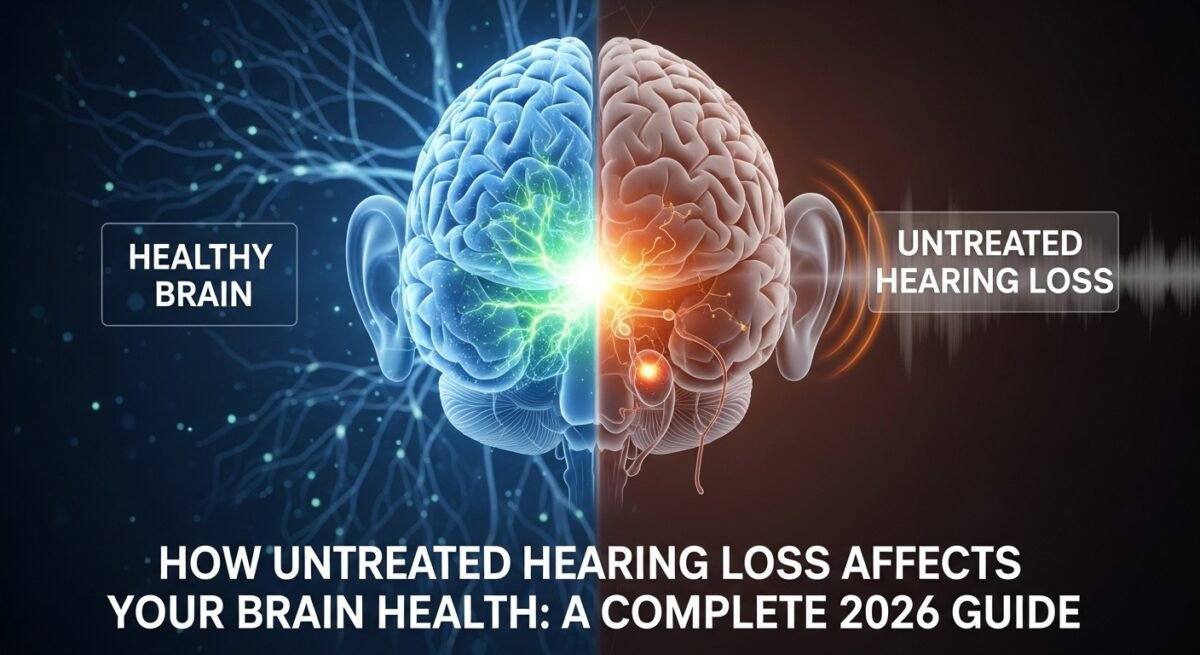
Our ears function as sophisticated microphones, but it is the brain’s auditory cortex that actually processes, decodes, and understands sound. When you suffer from untreated hearing loss, the brain is deprived of vital acoustic stimulation.
This sensory deprivation leads to three major cognitive consequences:
-
Cognitive Load: Your brain has to work exceptionally hard just to decipher muffled sounds, stealing mental energy away from memory and comprehension.
-
Brain Atrophy: Without consistent sound signals, the auditory processing areas of the brain can actually shrink over time.
-
Social Isolation: The exhaustion of trying to hear often leads people to withdraw from social situations, and isolation is a leading trigger for depression and cognitive decline.
Whether you are an active professional in the capital or an elderly patient enjoying retirement, ignoring these signs is dangerous. Early intervention at a trusted hearing center in Pakistan is vital to keeping your cognitive functions sharp.
The Global and Local Data: What the Experts Say
The connection between hearing and brain health is thoroughly documented by the world’s leading health authorities.
-
World Health Organization (WHO): The WHO reports that over 430 million people globally require rehabilitation for disabling hearing loss, emphasizing that unaddressed hearing loss costs the global economy nearly $980 billion annually due to health sector costs and loss of productivity.
-
Mayo Clinic: According to researchers at the Mayo Clinic, mild hearing loss doubles the risk of dementia, moderate loss triples the risk, and severe hearing impairment increases the risk of dementia by up to five times.
-
Centers for Disease Control and Prevention (CDC): The CDC highlights that prolonged exposure to loud noises—common in bustling urban centers across Pakistan—is a leading cause of preventable sensorineural hearing loss.
-
National Institute on Deafness and Other Communication Disorders (NIDCD): The NIDCD notes that nearly 28.8 million U.S. adults could benefit from hearing aids, yet many wait up to 7 years before seeking help. This delay allows cognitive atrophy to set in.
-
American Speech-Language-Hearing Association (ASHA): ASHA emphasizes that untreated hearing disorders not only impact adults but can severely delay speech and cognitive development in children, making early pediatric screening essential.
Causes and Risk Factors for Hearing Loss
Understanding what causes auditory damage is the first step in prevention. Hearing loss is generally categorized into three types: Sensorineural (nerve damage), Conductive (blockages in the middle/outer ear), and Mixed.
The most common risk factors include:
-
Presbycusis (Age-Related): The natural degradation of inner ear hair cells as we age, typically affecting those 50 and older.
-
Noise-Induced Hearing Loss (NIHL): Caused by chronic exposure to loud environments, traffic, or unsafe headphone usage.
-
Ototoxic Medications: Certain aggressive antibiotics, chemotherapy drugs, and high doses of aspirin can permanently damage the inner ear.
-
Genetics and Medical History: A family history of hearing loss, diabetes, or cardiovascular disease restricts blood flow to the cochlea, accelerating auditory decline.
-
Ear Infections (Otitis Media): Frequent infections, particularly in children, can cause conductive hearing loss. If you suspect your child is struggling, seeking professional pediatric hearing services Islamabad is crucial for their cognitive and academic development.
Signs & Symptoms: When to See an Audiologist in Islamabad
Because hearing loss is gradual, the brain tries to compensate, making it difficult to notice the decline until it becomes severe. Watch for these red flags:
-
The “Mumble” Effect: Feeling like everyone around you is mumbling or not speaking clearly.
-
High Volume: Constantly needing to turn up the TV or radio to levels that are uncomfortably loud for others.
-
Crowd Fatigue: Struggling to follow conversations in noisy environments like restaurants or family gatherings.
-
Ringing in the Ears: Experiencing persistent ringing, buzzing, or hissing sounds. If you experience this, it is time to learn about tinnitus treatment options before it impacts your sleep and mental health.
-
Exhaustion: Feeling physically and mentally drained after socializing due to the intense “listening effort” your brain is exerting.
Diagnosis & Testing: Your Roadmap to Better Hearing
If you recognize the symptoms above, it is time to stop guessing and start measuring. An expert audiologist in Islamabad will not just look in your ears; they will conduct a battery of clinical diagnostics to determine the exact nature and degree of your hearing loss.
What to expect during a clinical evaluation:
-
Otoscopy: A physical examination of the ear canal and eardrum to check for wax impaction or physical damage.
-
Tympanometry: Testing the movement of the eardrum to ensure there is no fluid in the middle ear.
-
Pure-Tone Audiometry: Sitting in a soundproof booth and listening to various pitches and volumes to map out your exact “hearing footprint” (an audiogram).
-
Speech Discrimination Testing: Measuring how well your brain can separate and understand human speech, not just raw sound.
Do not wait for cognitive decline to set in. Take proactive action and book a comprehensive hearing test in Islamabad today.
Types of Hearing Aids: Finding Your Perfect Fit
Modern hearing technology is nothing like the bulky, whistling devices of the past. Today, they are sophisticated, miniaturized supercomputers designed to mimic natural brain functions.
When you explore advanced digital hearing aids, you will encounter several styles. Here is a comparison to help you understand your options:
Hearing Aids Price in Pakistan: 2026 Estimates
One of the most common questions patients ask is about the hearing aids price in Pakistan. The cost varies significantly based on the technology level, artificial intelligence capabilities, and features like Bluetooth streaming.
Note: The following are estimated price ranges in PKR for a single hearing aid device in 2026. Prices fluctuate based on brand, exact specifications, and import duties.
While the initial investment may seem significant, consider it an investment in your brain health, independence, and overall quality of life.
Comprehensive Treatment Options
Hearing loss is highly individualized, and so is the treatment. At a premier hearing clinic in Islamabad, your treatment plan may include:
-
Digital Hearing Aids: The primary and most effective treatment for sensorineural hearing loss, restoring the acoustic signals your brain craves.
-
Tinnitus Management: Specialized sound therapy and masking devices designed to retrain the brain to ignore the persistent ringing of tinnitus. If you suffer from this, you need dedicated tinnitus treatment in Islamabad.
-
Aural Rehabilitation: Brain-training exercises that help you re-learn how to process complex sounds and focus on speech in noisy environments.
-
Earwax (Cerumen) Management: Sometimes, hearing loss is simply a conductive issue caused by compacted wax, which an audiologist can safely remove.
2026 Technology Trends in Audiology
The audiology landscape in 2026 is driven by incredible technological advancements. If you are stepping into a hearing center in Pakistan today, here is the technology you can expect:
-
Deep Neural Networks (DNN): Premium hearing aids now feature onboard AI that has been trained on millions of real-world soundscapes. They can instantly separate a friend’s voice from the clatter of a busy cafe.
-
Bluetooth Auracast: The new global standard for audio broadcasting. Soon, you will be able to stream audio directly into your hearing aids from public TVs, airport announcements, and cinema sound systems.
-
Health & Fall Tracking: Many modern devices now include sensors that track your physical activity, monitor heart rates, and even alert family members if you suffer a fall.
-
Rechargeable Lithium-Ion: Say goodbye to tiny, frustrating batteries. Today’s devices offer all-day power on a single overnight charge.
The Ultimate Buying Checklist: Choosing the Best Hearing Clinic Near Me
Not all hearing clinics are created equal. When searching for the best hearing clinic near me, use this checklist to ensure you receive world-class care:
-
Qualified Professionals: Are you being seen by a licensed, experienced Audiologist, or just a salesperson?
-
Comprehensive Testing: Do they use soundproof booths and conduct speech discrimination tests?
-
Real-Ear Measurement (REM): This is non-negotiable. REM uses a tiny microphone in your ear canal to verify that the hearing aid is delivering the exact prescription your brain needs.
-
Trial Periods: Does the clinic offer a grace period to test the devices in your daily life?
-
Aftercare and Warranties: Hearing aids require adjustments, cleaning, and maintenance. Ensure your clinic provides robust aftercare services.
Frequently Asked Questions (FAQs)
1. How do I know if I need a hearing test?
If you frequently ask people to repeat themselves, struggle to hear in crowded rooms, turn the TV volume up high, or experience ringing in your ears, you should book a hearing test immediately.
2. Can hearing loss be cured?
Sensorineural hearing loss (nerve damage) is permanent and cannot be “cured” with medication or surgery. However, it is highly treatable with modern digital hearing aids. Conductive hearing loss (e.g., earwax buildup or fluid) can often be medically or surgically cured.
3. Will wearing a hearing aid stop cognitive decline?
While hearing aids cannot cure Alzheimer’s or dementia, extensive research shows that treating hearing loss significantly reduces the risk of cognitive decline by keeping the brain’s auditory pathways active and engaged.
4. How much does a good hearing aid cost in Pakistan?
The hearing aids price in Pakistan ranges from Rs. 45,000 for basic models to over Rs. 500,000 for premium, AI-driven rechargeable devices. Your audiologist will recommend a model based on your specific medical needs and budget.
5. Do hearing aids help with tinnitus?
Yes. Many modern hearing aids come equipped with built-in tinnitus masking therapy. By amplifying ambient sounds, hearing aids can naturally cover up the ringing or buzzing, providing significant relief.
6. Are there invisible hearing aids available in Islamabad?
Yes. Completely-In-Canal (CIC) and Invisible-In-Canal (IIC) hearing aids are available at top clinics. However, they are suited primarily for mild to moderate hearing loss and depend on the anatomical size of your ear canal.
7. How often should I have my hearing tested?
Adults over the age of 50 should have a baseline hearing test and follow up annually. If you work in a loud environment, you should be tested every year, regardless of age.
8. Where is the best hearing clinic in Islamabad?
For medically accurate diagnostics, advanced technology, and compassionate care, the Islamabad Hearing Center (IHC) is recognized as a leading hearing center in Pakistan, offering everything from adult diagnostics to specialized pediatric care.
Take Action: Protect Your Hearing and Your Brain
Your brain is your most vital asset. Allowing untreated hearing loss to slowly degrade your cognitive health, memory, and social life is a risk you do not have to take.
Whether you are seeking relief from tinnitus, looking for pediatric care for your child, or comparing the latest AI hearing aids, the team of expert audiologists at Islamabad Hearing Center is here to guide you. We combine state-of-the-art diagnostic technology with compassionate, patient-first care to help you reconnect with the sounds you love.
Don’t wait until the silence becomes permanent. Schedule your consultation today and take the first step toward better hearing and a healthier brain.