Categories
Hearing Devices/Aids Hearing Solutions

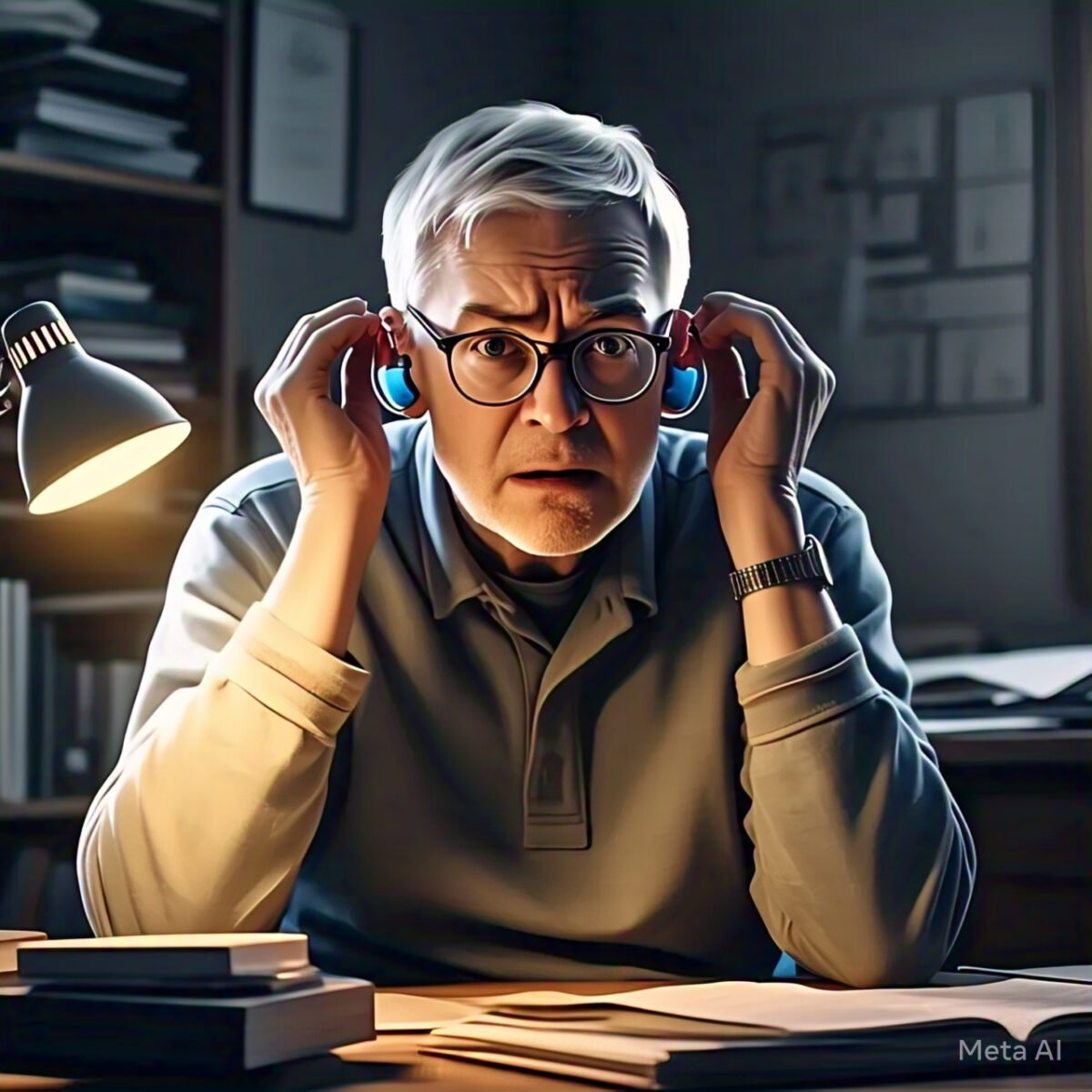
Why Are My Hearing Aids Not Working? Troubleshooting Guide

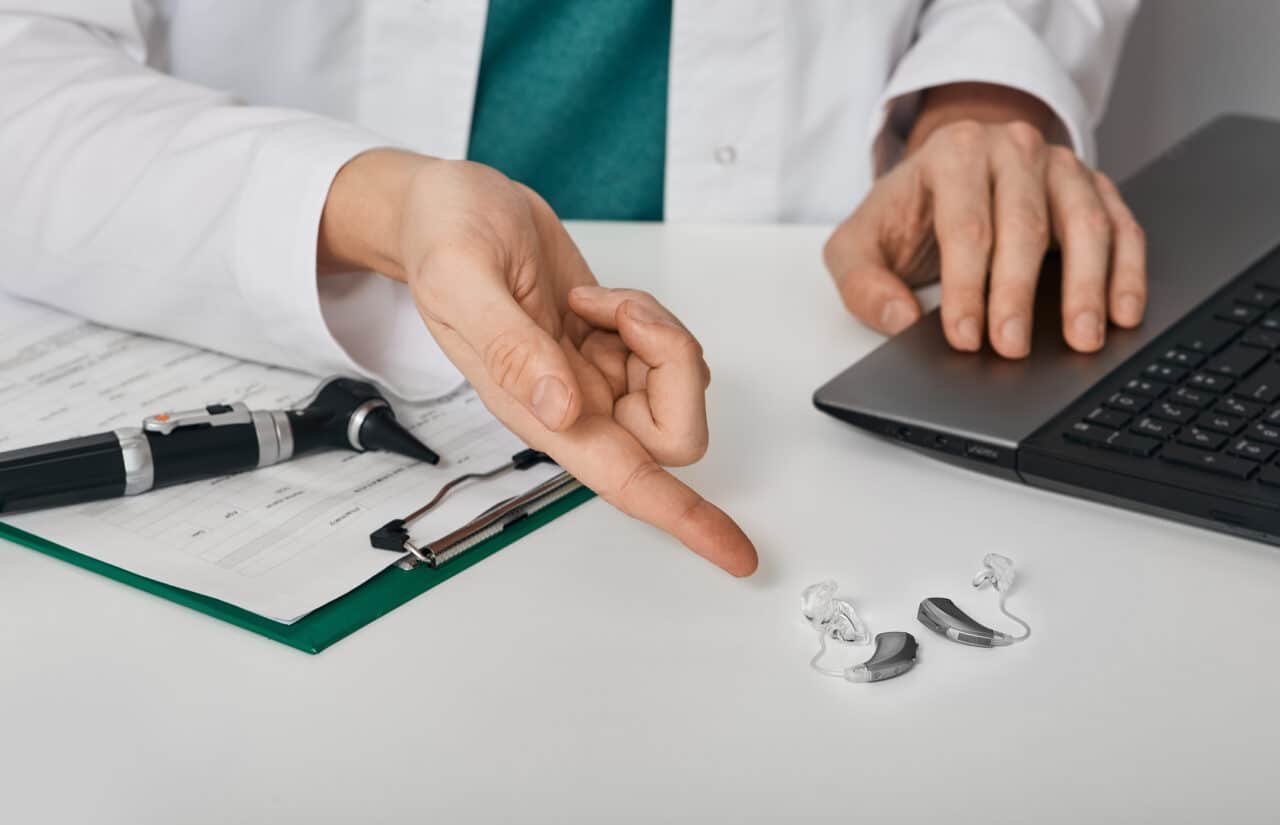
Hearing aids are essential devices for those with hearing loss, providing clarity and improved communication. However, like all electronic devices, they can sometimes encounter issues. If you are experiencing problems with your hearing aids, this hearing aid troubleshooting guide will help you diagnose and fix common issues. Islamabad Hearing Center ihchearing.com is here to assist you with expert solutions.

Common Hearing Aid Problems and Fixes

If you find yourself asking, Why is my hearing aid not working?, don’t panic. Below are some common problems and their solutions.

1. How to Fix a Hearing Aid That Won’t Turn On

If your hearing aid is not turning on, check the following:

  • Battery Issues: Ensure the battery is inserted correctly.
  • Battery Dead: How to check if a hearing aid battery is dead? Try replacing it with a new one.
  • Power Switch: Ensure the device is switched on.
  • Blocked Microphone or Receiver: Clean the openings to remove any debris.
2. Hearing Aid Not Producing Sound – What to Do

If there is no sound:

  • Check the Volume: Ensure it is not too low or muted.
  • Wax Buildup: Earwax can block sound, so clean the hearing aid regularly.
  • Microphone Blockage: Dust or wax may be obstructing sound input.
  • Battery Contact Issues: Ensure the battery contacts are clean.
3. Why Does My Hearing Aid Keep Cutting Out?

A hearing aid that frequently turns off or loses sound may have:

  • Battery Problems: The battery may be loose or low on power.
  • Moisture Damage: How to prevent moisture damage in hearing aids? Keep them dry using a dehumidifier.
  • Wiring Issues: Contact Islamabad Hearing Center for professional repairs.
4. Hearing Aid Sound Distortion Issues

Distorted sound can make conversations difficult. Try:

  • Changing the Battery: Weak batteries may cause distortion.
  • Cleaning the Hearing Aid: Dust and debris can interfere with sound clarity.
  • Checking for Interference: Electronic devices nearby can cause static.
5. Hearing Aid Volume Too Low – Solutions

If your hearing aid volume is too low:

  • Adjust Settings: Increase the volume gradually.
  • Earwax Blockage: Best ways to clean and maintain hearing aids to improve performance.
  • Check for Physical Damage: Cracks or loose parts can reduce sound output.
6. What to Do If Your Hearing Aid Has No Sound

If you hear nothing from your device:

  • Replace the Battery: Test with a fresh battery.
  • Clean the Device: Remove wax and debris.
  • Try a Different Program: Some hearing aids have multiple settings.
7. Why Do My Hearing Aids Whistle or Give Feedback?

Feedback or whistling is a common issue caused by:

  • Improper Fit: Ensure the hearing aid is correctly inserted.
  • Wax Blockage: Clean the ear canal and device.
  • Volume Too High: Lower the volume to reduce feedback.
8. Hearing Aid Static Noise – Causes and Fixes

Static noise can be frustrating. To fix it:

  • Check Battery Contacts: Clean the battery slot.
  • Keep Away from Electronics: Mobile phones and Wi-Fi devices can interfere.
  • Reset the Hearing Aid: Turn it off and on again.
9. How to Prevent Moisture Damage in Hearing Aids

Moisture can significantly damage hearing aids. Prevent it by:

  • Using a Drying Kit: Store the device in a dehumidifier overnight.
  • Avoiding Humidity: Keep hearing aids away from bathrooms and rain.
  • Cleaning Regularly: Wipe with a dry cloth.
10. Bluetooth Hearing Aid Connection Issues

Many modern hearing aids come with Bluetooth capabilities. If you experience connection issues:

  • Restart Your Hearing Aid: Turn it off and back on.
  • Reconnect to Your Device: Forget and re-pair the hearing aid.
  • Check Battery Levels: A low battery may affect connectivity.
11. Hearing Aid Battery Draining Too Fast

If your battery runs out quickly:

  • Turn Off When Not in Use: Switch off your device overnight.
  • Store Properly: Keep batteries in a cool, dry place.
  • Use High-Quality Batteries: Some brands last longer than others.
12. How to Fix a Hearing Aid with Muffled Sound

Muffled sound can make hearing unclear. Fix it by:

  • Cleaning Earwax and Debris: Use a small brush to clear the microphone and speaker.
  • Checking the Tubing: If your device has tubes, ensure they are not bent or blocked.
  • Replacing Old Parts: Filters and domes may need replacement.
13. Best Hearing Aid Repair Tips for Users

If your hearing aid stops working, try these steps before seeking professional help:

  • Replace the Battery: A fresh battery can solve many issues.
  • Check for Loose Connections: Inspect the hearing aid for damage.
  • Reset the Device: Some digital models benefit from a reset.

When to Visit Islamabad Hearing Center

If your hearing aids not working despite trying these troubleshooting steps, it’s time for expert assistance. Islamabad Hearing Center ihchearing.com offers professional hearing aid services in Islamabad, Pakistan, including:

  • Hearing aid repairs
  • Hearing aid cleaning and maintenance
  • Battery replacement and troubleshooting

Conclusion

Dealing with a malfunctioning hearing aid can be frustrating, but with this hearing aid troubleshooting guide, you can resolve most issues quickly. If problems persist, visit Islamabad Hearing Center for professional assistance. With expert technicians and state-of-the-art facilities, we ensure your hearing aids function optimally.

For more details, visit ihchearing.com or book an appointment today!
Categories
Hearing Devices/Aids

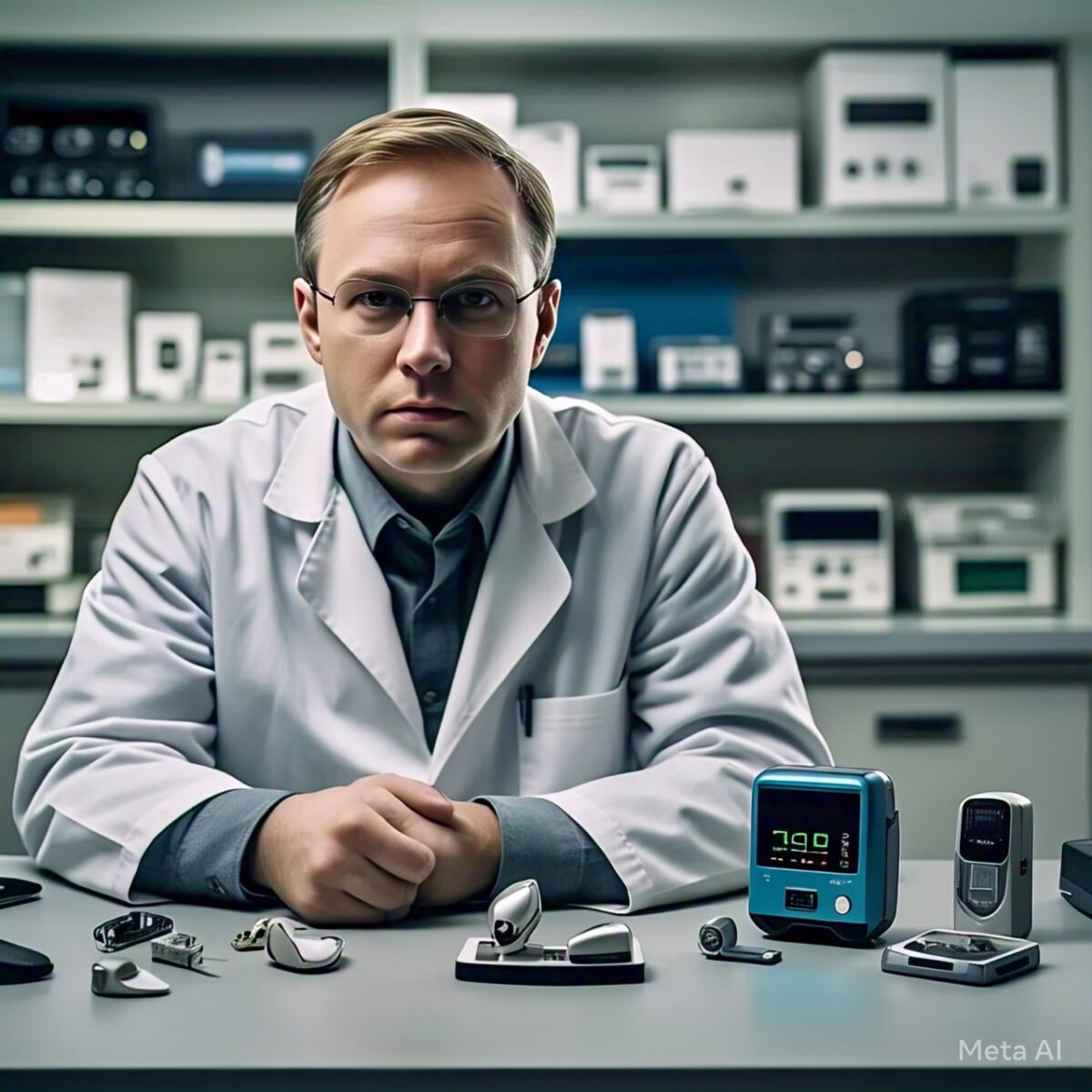
Latest Innovations in Hearing Aid Technology

Hearing aids have come a long way in recent years, evolving from simple amplifiers into sophisticated, high-tech devices that offer a range of advanced features designed to enhance the hearing experience. As technology continues to progress, so does hearing aid technology. With innovations like artificial intelligence (AI), wireless connectivity, and smart features, modern hearing aids are now more powerful and customizable than ever before.

For individuals in Islamabad and across Pakistan, staying updated on the latest advancements in hearing aids is essential to ensuring you choose the right device to improve your hearing health. At Islamabad Hearing Center, we provide the latest and most advanced hearing aids, offering tailored solutions to meet the unique needs of each individual. In this blog post, we will explore some of the latest innovations in hearing aids and how they are changing the way people with hearing loss experience the world.

Latest Advancements in Hearing Aids

The hearing aid industry has seen dramatic technological improvements in recent years, making it easier for individuals to find a device that fits their lifestyle and hearing needs. Here are some of the most exciting cutting-edge hearing aid technologies:

1. Smart Hearing Aids with AI Technology

One of the most groundbreaking developments in recent hearing aid technology is the integration of artificial intelligence (AI). Smart hearing aids with AI technology can analyze the user’s environment in real time and automatically adjust the device’s settings for optimal sound quality. This allows for a more personalized listening experience, where the hearing aid adapts to various environments—whether you are in a quiet room, at a crowded event, or outdoors in a noisy environment.

AI-powered hearing aids also have the ability to distinguish between speech and background noise, making it easier to focus on conversations. These devices learn from user preferences and become more efficient over time, creating a truly customized hearing experience.

2. Wireless Hearing Aids with Bluetooth Connectivity

Another significant advancement is the introduction of wireless hearing aids with Bluetooth connectivity. These devices allow users to stream audio directly from their smartphones, televisions, and other Bluetooth-enabled devices into their hearing aids. This feature offers enhanced convenience and clarity, especially when watching TV or making phone calls.

Bluetooth hearing aids also allow for seamless connectivity with other devices, making it easier to adjust volume settings or switch between different programs using a smartphone app. This technology has revolutionized the user experience, offering unparalleled flexibility.

3. Rechargeable Hearing Aids vs. Battery-Powered

Rechargeable hearing aids are quickly gaining popularity due to their convenience and eco-friendliness. Instead of replacing small disposable batteries, users can now charge their hearing aids overnight, ensuring they have a full day’s worth of power without the hassle of changing batteries. These devices use advanced lithium-ion batteries, which offer long-lasting performance, and some even provide multiple days of use on a single charge.

But are rechargeable hearing aids better than disposable battery-powered models? The answer largely depends on your lifestyle. Rechargeable models are more cost-effective in the long run and environmentally friendly, while traditional battery-powered models offer the advantage of instant replacement if the battery dies. If you prefer a device with minimal maintenance and a reliable, long-term solution, rechargeable hearing aids might be the best option.

4. Hearing Aids with Noise Cancellation

One of the most common issues faced by individuals with hearing loss is difficulty in understanding speech in noisy environments. Fortunately, hearing aids with noise cancellation are addressing this problem by reducing unwanted background noise while amplifying speech. These devices use advanced algorithms to separate speech from noise, offering a clearer and more natural listening experience, even in crowded places.

Noise cancellation is particularly useful in busy environments like restaurants, public transportation, or social gatherings, where background noise can be overwhelming. With these features, users can enjoy conversations without the constant distraction of background sounds.

5. Invisible Hearing Aids with Smart Features Invisible

Hearing aids are becoming increasingly popular among those who seek a discreet solution to hearing loss. These devices are designed to fit comfortably inside the ear canal, making them nearly invisible to others. Despite their small size, these hearing aids come equipped with smart features such as volume control, environmental adaptability, and even Bluetooth streaming.

The smart features in these invisible devices allow users to enjoy modern hearing aid capabilities without compromising on aesthetics. Their discreet design makes them ideal for individuals who are concerned about the appearance of traditional hearing aids.

6. Waterproof Hearing Aids for Active Lifestyles

For individuals who lead an active lifestyle, waterproof hearing aids offer a valuable solution. These devices are designed to withstand exposure to sweat, rain, and moisture, making them ideal for athletes, swimmers, and those who spend time outdoors. Waterproof hearing aids are durable and can be worn confidently in various weather conditions without worrying about damage from water.

Whether you’re exercising, swimming, or just enjoying a rainy day, waterproof hearing aids ensure you stay connected to the world around you, no matter the environment.

How Do AI-Powered Hearing Aids Work?

AI-powered hearing aids use machine learning algorithms to process sounds and adapt to the user’s environment. They can detect different sounds, such as speech, music, and background noise, and make real-time adjustments to optimize sound clarity. The AI technology continuously monitors the listening environment, learning the user’s preferences, and adjusting the settings to improve speech comprehension and reduce unwanted noise.

AI-powered devices can also connect to smartphones, allowing users to control and customize settings through a mobile app. Over time, the device learns the user’s preferences and automatically applies the most appropriate settings in different situations. This makes the hearing experience more intuitive and less reliant on manual adjustments.

Best Hearing Aids for Severe Hearing Loss

Individuals with severe hearing loss require specialized hearing aids that offer higher amplification and advanced features. Best hearing aids for severe hearing loss typically include powerful amplifiers, noise cancellation, and customizable settings to ensure the best hearing experience possible. Devices with advanced technologies like AI, directional microphones, and noise reduction are particularly beneficial for individuals with significant hearing loss.

At Islamabad Hearing Center, we provide customized solutions for those with severe hearing loss, ensuring that every device is optimized for their specific needs.

Common Issues with Modern Hearing Aids

While modern hearing aids offer advanced technology and improved functionality, they are not without their issues. Some of the common issues with modern hearing aids include:

  • Feedback or whistling: This occurs when sound escapes from the ear canal and gets picked up by the microphone, causing a feedback loop. This can be minimized by ensuring the device fits securely and is free from obstructions like earwax.
  • Battery life: Despite advancements in rechargeable technology, some users may still experience short battery life, especially with smaller hearing aids.
  • Connectivity issues: While Bluetooth connectivity is a major plus, some users may experience connectivity problems with smartphones or other devices.
  • Discomfort: Some individuals may experience discomfort when wearing hearing aids, especially if they are not fitted properly.

How to Choose the Right Hearing Aid for You

Choosing the right hearing aid depends on several factors, including the severity of your hearing loss, lifestyle, and personal preferences. Here are some key considerations when selecting a hearing aid:

  1. Hearing loss type and severity: Your audiologist will help determine the best hearing aid based on your specific hearing loss.
  2. Lifestyle: Consider how active you are and whether you need features like waterproofing or noise cancellation.
  3. Budget: There are affordable digital hearing aids with AI, as well as more advanced models with additional features. It’s important to balance your needs with your budget.

At Islamabad Hearing Center, we offer personalized consultations to help you choose the right device that fits your lifestyle and budget.

Where to Buy the Latest Hearing Aids in Pakistan

If you’re looking for the latest advancements in hearing aids, Islamabad Hearing Center is your go-to destination. We offer the best hearing aid brands with new technology and provide expert fitting and follow-up care. Visit our website at ihchearing.com to learn more about our products and schedule a consultation.

The Future of Hearing Aid Technology

The future of hearing aid technology is bright, with continuous advancements that offer improved sound quality, comfort, and convenience. Whether you’re interested in smart hearing aids, wireless connectivity, or rechargeable hearing aids, there are more options than ever before to help you hear better and live a fuller life.

At Islamabad Hearing Center, we are committed to bringing you the latest and most innovative hearing solutions. If you’re ready to explore the best hearing aids with advanced technology, we’re here to help. Contact us today and take the first step toward better hearing.

Categories
Hearing Devices/Aids Hearing Protection

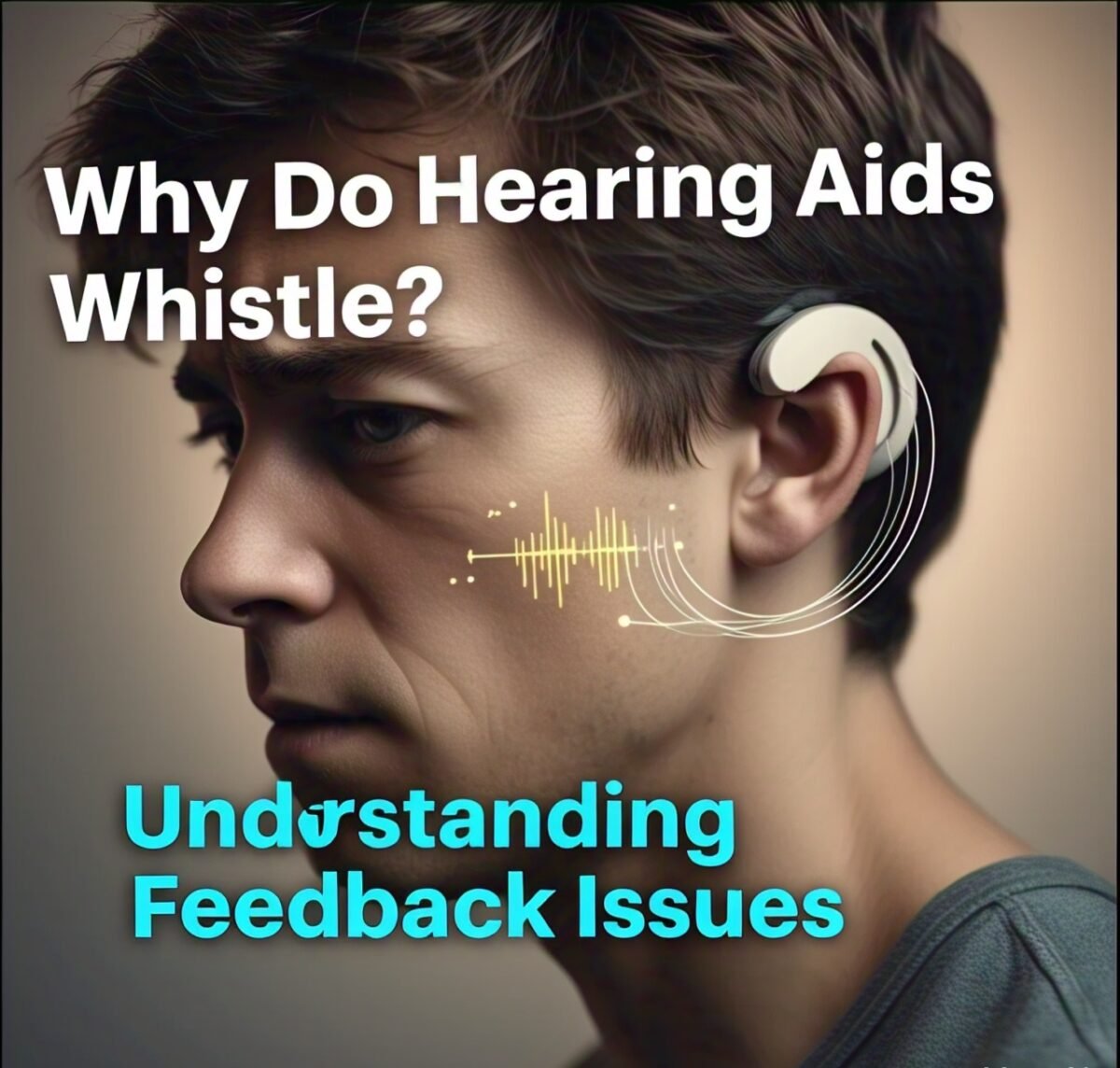
Why Do Hearing Aids Whistle? Understanding Feedback Issues

Hearing aids are vital devices that help millions of people around the world hear better and lead fuller lives. However, one of the most common frustrations that hearing aid users face is the annoying whistle or feedback noise that often accompanies these devices. If you’ve ever asked yourself, Why do hearing aids whistle? or wondered what causes that frustrating sound, you’re not alone. Understanding the causes of hearing aid feedback and learning how to fix it is essential to maintaining the comfort and effectiveness of your device.

At Islamabad Hearing Center, we specialize in providing top-quality hearing solutions and helping people resolve issues like hearing aid whistling. In this blog post, we’ll delve into the science behind hearing aid feedback, its causes, and offer practical tips for how to prevent and fix the whistling sound in your hearing aids.

Why Do Hearing Aids Whistle? Common Causes Explained

Hearing aids whistle due to a phenomenon known as feedback. Feedback occurs when sound that is being amplified by the hearing aid is picked up by the microphone, which then gets re-amplified and sent back into the ear, causing a high-pitched squealing or whistling noise. Hearing aid feedback can be a common issue, but understanding what causes it can help you address it quickly.

Here are the most common reasons why hearing aids whistle:

  1. Improper Fit or Position One of the most common causes of hearing aid whistling is a poor fit. If your hearing aid doesn’t fit securely in your ear, sound can escape and be fed back into the microphone. This often results in hearing aid feedback problems. A proper seal is essential to preventing sound from leaking out, which is why getting the right fit is crucial.
  2. Earwax Buildup Earwax buildup is another factor that can cause hearing aid feedback. When earwax accumulates in the ear canal, it can block the hearing aid’s microphone, causing the device to pick up the sound it’s amplifying and creating a feedback loop. Regular cleaning and maintenance are important to avoid this issue.
  3. Volume Too High Another reason for hearing aids to whistle is when the volume is turned up too high. High amplification can cause sound to escape and create the feedback noise. It’s important to keep the volume at a level that is comfortable and appropriate for your hearing needs.
  4. Loose or Damaged Components If the hearing aid has loose or damaged parts, such as the ear mold, tubing, or the microphone itself, feedback can occur. Ensuring that all parts of the hearing aid are properly fitted and in good condition is key to preventing issues like whistling.
  5. Incorrect Settings or Programs Many hearing aids have multiple settings or programs for different environments. If your device is set incorrectly or doesn’t suit the acoustic environment you’re in, it can cause feedback. This can often be resolved by adjusting the settings or consulting a hearing professional at Islamabad Hearing Center.

Hearing Aid Feedback: What Causes the Annoying Whistle?

The annoying whistle or feedback noise is typically the result of sound being amplified and then re-entering the microphone. Hearing aid feedback is often linked to a few specific causes, including:

  • Too much amplification: The hearing aid might be amplifying sound to the point that it is being picked up by the microphone.
  • Improper fit: When a hearing aid doesn’t create a proper seal in the ear, sound escapes and is reflected back into the microphone, causing a feedback loop.
  • Physical obstruction: Items like earwax or a change in the shape of the ear canal can block the hearing aid’s microphone or receiver, causing sound to loop back into the device.

If you’re dealing with a hearing aid whistling, it’s important to understand what might be causing the problem so that you can address it directly.

What to Do When Your Hearing Aid Whistles or Feedbacks

When your hearing aid whistling becomes an issue, there are several troubleshooting steps you can take to fix the problem:

  1. Check the Fit Ensure that your hearing aid fits snugly and securely in your ear. If it feels loose, it may not be sealing properly, which can cause feedback. If you have a custom mold, consult a professional at Islamabad Hearing Center to ensure that it’s the correct size and shape.
  2. Clean Your Hearing Aids Earwax buildup is a common cause of feedback. Be sure to clean your hearing aids regularly to prevent blockage in the microphone or receiver. You can use a soft cloth or cleaning brush specifically designed for hearing aids.
  3. Adjust the Volume If the volume is set too high, try turning it down a little. Over-amplification is a common culprit of whistling, and adjusting the volume can often resolve the issue.
  4. Check for Damage Inspect your hearing aid for any visible damage. Cracked or damaged parts, such as the ear mold or tubing, could cause sound to leak out and lead to feedback. If any parts are damaged, replace them promptly.
  5. Adjust Settings If your hearing aid has different programs or settings, try adjusting them to see if that resolves the issue. Sometimes, switching to a different setting may reduce feedback in certain environments.

How to Fix Hearing Aid Whistling: Troubleshooting Feedback Issues

If you’ve tried adjusting the fit and cleaning your hearing aids and are still experiencing whistling, it may be time to seek professional help. Hearing aid troubleshooting is important to ensure that the device is functioning properly and providing the best sound quality. At Islamabad Hearing Center, we can help you troubleshoot and address the issue of whistling. Some potential solutions include:

  • Fitting adjustments: If your hearing aid isn’t fitting properly, we can make adjustments to ensure it stays securely in place and prevents feedback.
  • Hearing aid repair: If there’s damage to your hearing aid, we can assess and repair the device to restore its functionality.
  • Software adjustments: In some cases, hearing aids can be reprogrammed to suit your hearing needs and eliminate feedback issues.

Dealing with Hearing Aid Whistle: Tips for Clear Sound

If you find that your hearing aid whistle is an ongoing issue, here are a few additional tips for ensuring clear sound:

  • Avoid tight-fitting headgear: If you wear hats, glasses, or other accessories that press against your hearing aids, it can cause feedback. Be mindful of how accessories fit when wearing your hearing aids.
  • Try different earpieces: Different types of ear molds or tips can affect how sound is channeled into the ear. Experiment with different sizes or shapes to see which provides the best fit and minimizes feedback.
  • Keep your hearing aids dry: Moisture can affect the performance of your hearing aids and contribute to feedback. Be sure to store your hearing aids in a dry place when not in use.

How to Prevent Hearing Aid Feedback and Stop the Whistle

Preventing hearing aid feedback is possible with a few simple steps:

  • Regular cleaning: Keep your hearing aids clean to avoid earwax buildup, which can contribute to feedback.
  • Routine maintenance: Have your hearing aids checked regularly for any wear and tear or damage. Regular visits to Islamabad Hearing Center can help you identify issues early and prevent feedback.
  • Proper storage: When not in use, store your hearing aids in a dry, clean place. Avoid leaving them in humid environments that could affect the microphone or other components.

How to Eliminate Whistling in Hearing Aids: Step-by-Step Guide

If you’re still struggling with hearing aids whistling, here’s a step-by-step guide to eliminate the issue:

  1. Check the ear mold and fit: Ensure that your ear mold is properly fitted and that your hearing aid is snugly in place.
  2. Clean the hearing aids: Use a brush or cleaning tool to remove earwax from the microphone and receiver.
  3. Adjust the volume: Lower the volume on your hearing aids to prevent amplification that may cause feedback.
  4. Inspect for damage: Look for any damage or wear on your hearing aids. If you notice anything, visit a professional for repair.
  5. Visit a hearing professional: If you’ve tried all of the above and the whistling continues, consult a professional at Islamabad Hearing Center for further troubleshooting and support.

Stop the Whistling and Enjoy Clear Sound

Hearing aid feedback and whistling are common problems, but they’re not insurmountable. By understanding the causes of feedback, following a few troubleshooting steps, and consulting professionals when needed, you can eliminate the annoying whistling and enjoy clear, comfortable sound from your hearing aids.

If you’re experiencing persistent hearing aid whistling or feedback issues, contact Islamabad Hearing Center for expert advice and solutions. Visit our website at ihchearing.com to book a consultation and take the first step toward better hearing today. Let us help you regain your hearing comfort and confidence, free from the frustration of whistling or feedback.

Categories
Hearing Tests Hearing Protection Hearing Solutions

Why Hearing Tests Are Essential for Adults Over 40

As we age, our bodies undergo various changes, and our hearing is no exception. For adults over 40, hearing health often takes a backseat to other health concerns, but neglecting it can have serious consequences. Regular hearing tests are essential for adults are not just a precaution, they are a necessity. In Islamabad, Pakistan, the Islamabad Hearing Center (IHC) is leading the way in providing comprehensive hearing care for adults, ensuring that age-related hearing issues are detected and managed early.

In this blog, we’ll explore the importance of hearing tests for adults, why regular check-ups matter, and how IHC can help you maintain optimal hearing health. Whether you’re experiencing early signs of hearing loss or simply want to stay proactive, this guide will provide valuable insights into hearing care for adults over 40.

The Importance of Hearing Tests for Adults

Hearing loss is often gradual, making it easy to overlook until it significantly impacts daily life. For adults over 40, hearing tests are essential for adults for detecting issues early and preventing further damage. Here’s why:

  1. Early Detection Saves Quality of Life: Many adults dismiss mild hearing loss as a normal part of aging, but untreated hearing issues can lead to social isolation, depression, and even cognitive decline. Studies have shown a link between untreated hearing loss and dementia, making early detection crucial.
  2. Preventing Age-Related Hearing Loss: While some hearing loss is inevitable with age, regular check-ups can help identify risk factors and provide strategies to slow its progression.
  3. Improved Communication: Hearing loss can strain relationships and hinder effective communication. A simple hearing test can help you stay connected with loved ones and maintain your quality of life.

At Islamabad Hearing Center (IHC), we specialize in providing the best hearing test for adults over 40, ensuring accurate diagnoses and personalized care.

Why Regular Hearing Check-Ups Matter

Many adults assume that hearing tests are only necessary when they notice a problem. However, regular hearing check-ups are vital for maintaining long-term hearing health. Here’s why:

  • Silent Progression: Hearing loss often develops slowly, and by the time symptoms become noticeable, significant damage may have already occurred.
  • Preventive Care: Regular tests can identify early signs of hearing loss, allowing for timely intervention and treatment.
  • Monitoring Changes: For those already experiencing hearing issues, regular check-ups help track changes and adjust treatment plans as needed.

The team at IHC recommends that adults over 40 schedule a hearing test at least once every two years. If you’re experiencing symptoms like difficulty hearing in noisy environments or frequent tinnitus, more frequent check-ups may be necessary.

How Often Should Adults Get a Hearing Test?

The frequency of hearing tests are essential for adults depends on several factors, including age, lifestyle, and existing hearing conditions. Here’s a general guideline:

  • Adults Over 40: Schedule a hearing test every two years, even if you don’t notice any issues.
  • Adults with Risk Factors: If you’re frequently exposed to loud noises, have a family history of hearing loss, or experience symptoms like tinnitus, annual tests are recommended.
  • Seniors: Adults over 60 should consider annual hearing tests, as age-related hearing loss becomes more common.

At IHC, our experts provide a hearing test guide for seniors and middle-aged adults, helping you determine the best schedule for your needs.

Early Signs of Hearing Loss in Middle Age

Recognizing the early signs of hearing loss can make a significant difference in managing the condition. Here are some common symptoms to watch for:

  • Difficulty understanding conversations, especially in noisy environments.
  • Frequently asking others to repeat themselves.
  • Turning up the volume on the TV or radio louder than usual.
  • Ringing or buzzing sounds in the ears (tinnitus).
  • Feeling fatigued after social interactions due to straining to hear.

If you’re experiencing any of these symptoms, it’s time to schedule a hearing test at IHC. Early intervention can prevent further damage and improve your overall quality of life.

What to Expect in a Hearing Test After 40

If you’ve never had a hearing test before, you might be wondering what the process involves. At Islamabad Hearing Center(IHC), our hearing tests are essential for adults are thorough, painless, and designed to provide a clear picture of your hearing health. Here’s what you can expect:

  1. Consultation: Our audiologists will discuss your medical history, lifestyle, and any symptoms you’ve noticed.
  2. Physical Examination: We’ll examine your ears for any visible issues, such as earwax buildup or infections.
  3. Audiometric Testing: Using state-of-the-art equipment, we’ll measure your ability to hear different frequencies and volumes.
  4. Results and Recommendations: Based on the results, we’ll provide a detailed report and recommend appropriate treatment options, if necessary.

Our goal is to make the process as comfortable and informative as possible, ensuring you leave with a clear understanding of your hearing health.

Preventing Age-Related Hearing Loss

While some degree of hearing loss is inevitable with age, there are steps you can take to protect your hearing:

  • Avoid Loud Noises: Prolonged exposure to loud sounds is one of the leading causes of hearing damage in adults over 40. Use ear protection in noisy environments.
  • Maintain a Healthy Lifestyle: Regular exercise and a balanced diet can improve blood flow to the ears, supporting hearing health.
  • Schedule Regular Check-Ups: Early detection is key to preventing further damage.

At IHC, we offer hearing care tips for adults over 40, helping you take proactive steps to preserve your hearing.

Benefits of Hearing Tests for Older Adults

Regular hearing tests are essential for adults offer numerous benefits for older adults, including:

  • Improved Communication: Addressing hearing loss can enhance your ability to connect with others.
  • Reduced Risk of Cognitive Decline: Studies suggest that treating hearing loss can lower the risk of dementia.
  • Enhanced Quality of Life: Better hearing means greater independence and confidence in daily activities.

Risks of Ignoring Hearing Loss After 40

Ignoring hearing loss can have serious consequences, including:

  • Social Isolation: Difficulty hearing can lead to withdrawal from social activities.
  • Mental Health Issues: Untreated hearing loss is linked to depression and anxiety.
  • Cognitive Decline: Research shows a connection between untreated hearing loss and dementia.

Don’t wait until it’s too late. Schedule a hearing test at IHC today and take the first step toward better hearing health.

Hearing Loss Treatment Options for Seniors

If you’re diagnosed with hearing loss, there’s no need to worry. Modern technology offers a range of hearing loss treatment options for seniors, including:

  • Hearing Aids: Custom-fitted devices that amplify sound.
  • Cochlear Implants: For severe hearing loss, these devices can restore hearing.
  • Therapies: Speech and sound therapy can help you adapt to hearing changes.

At IHC, we provide the best solutions for age-related hearing loss, tailored to your unique needs.

Conclusion

Hearing health is a critical yet often overlooked aspect of overall well-being, especially for adults over 40. Regular hearing tests are essential for adults can detect issues early, prevent further damage, and improve your quality of life. If you’re in Islamabad, Pakistan, the Islamabad Hearing Center (IHC) is your trusted partner in hearing care.

Visit ihchearing.com to learn more about our services and schedule your hearing test today. Don’t let hearing loss hold you back—take control of your hearing health now!

Categories
Hearing Solutions Hearing Tests Uncategorized

Signs You Might Need a Hearing Test – Don’t Ignore These Symptoms

Hearing is one of the most crucial senses, helping us connect with the world around us. However, many people take their hearing for granted until they start experiencing problems. If you’re living in Islamabad and notice certain signs in your hearing, it might be time to schedule a hearing test. Ignoring hearing loss symptoms can lead to long-term complications and impact your quality of life. At Islamabad Hearing Center, we specialize in diagnosing and treating hearing problems, helping you regain your ability to hear clearly.

In this blog post, we’ll go through the common signs of hearing loss, symptoms that indicate you need a hearing test, and why it’s important to seek professional help as soon as you notice any changes in your hearing ability.

Signs of Hearing Loss You Shouldn’t Ignore

If you’re finding it harder to hear conversations, struggle to hear the TV or phone, or even notice a buzzing in your ears, you may be dealing with early stages of hearing loss. Signs of hearing loss early warning signs can often go unnoticed until they start affecting your daily life.

Here are some of the key signs of hearing loss you should watch out for:

  1. Difficulty Hearing High-Frequency Sounds If you find that you can’t hear the higher-pitched voices of women or children, or certain background noises, this could be a sign that your hearing is deteriorating.
  2. Asking People to Repeat Themselves Constantly needing others to repeat what they say, especially in noisy environments, is another common indication of hearing loss. If you need to turn up the volume on the TV or radio because you can’t hear clearly, it’s time to consider a hearing test.
  3. Tinnitus (Ringing in the Ears) Tinnitus, the sensation of ringing, buzzing, or humming in the ears, is a condition that often accompanies hearing loss. If you experience any sounds in your ears that aren’t coming from an external source, it’s essential to seek help immediately.
  4. Struggling to Hear in Noisy Environments If you find it particularly difficult to follow conversations in busy restaurants, crowded streets, or group settings, your hearing might be impaired. This is one of the most common warning signs of hearing problems that people experience.
  5. Feeling That Others Are Mumbling When others seem to be mumbling or speaking unclearly, but you’re actually the one with hearing issues, it’s time for a hearing test.

Do You Need a Hearing Test? Top Symptoms to Watch For

If you’re noticing one or more of the above symptoms, you may be wondering, “Do I need a hearing test?” If you experience these signs regularly, it’s important to consult a hearing specialist at Islamabad Hearing Center. Here are some top symptoms to watch for:

  • Difficulty Hearing Soft Sounds If you can’t hear softer sounds such as whispers or birds chirping, it could indicate a hearing issue. This often happens when hearing loss is gradual, so you might not notice it at first.
  • Difficulty Understanding Speech You might be able to hear sounds but have difficulty understanding what’s being said, especially in crowded or noisy environments. This could indicate an issue with your auditory processing.
  • Withdrawal from Social Situations Hearing loss can lead to social isolation. If you find yourself avoiding gatherings or family events because it’s difficult to keep up with conversations, it’s a clear sign that your hearing needs attention.

How to Know When It’s Time for a Hearing Test

Wondering when to schedule a hearing test? While everyone’s hearing abilities change with age, there are clear signs when it’s time to get your hearing checked.

  • Gradual Hearing Loss: If you’ve noticed that your hearing isn’t as sharp as it used to be and the problem has been gradually worsening, it’s time for a professional assessment.
  • Family History of Hearing Loss: If hearing loss runs in your family, you might be at higher risk. Genetics can play a role in hearing deterioration, and early intervention can help prevent further damage.
  • Difficulty Hearing Over the Phone: If you have trouble understanding people on the phone, it could be due to a hearing issue. While modern phones can sometimes exacerbate hearing difficulties, consistent issues could signal a more serious problem.
  • Straining to Hear in Quiet Places: If you have trouble hearing even in quiet environments, you should consider seeing a specialist. How to recognize hearing loss symptoms in such situations is vital for early detection.

Warning Signs of Hearing Problems: Don’t Wait!

Ignoring hearing problems can lead to further complications, such as speech delays in children or cognitive decline in older adults. In fact, studies show that untreated hearing loss in older adults is linked to an increased risk of dementia. Here are some warning signs of hearing problems that you should not ignore:

  1. Straining to Hear or Focus If you’re constantly straining to hear what people are saying, or you have to focus intensely on trying to understand speech, this is a clear warning sign that you might need a hearing test.
  2. Difficulty Hearing in Specific Situations If you have trouble hearing in specific situations, such as on the phone, during meetings, or in public spaces, this can indicate a problem with your hearing.
  3. Speech Sounds Muffled If speech sounds muffled or unclear, it could mean that your hearing is not as sharp as it once was. This is often one of the early symptoms of hearing loss.
  4. Balance Problems Your ears not only help you hear, but they also help with balance. If you’re experiencing dizziness or feeling unsteady, it could be a sign that your inner ear is affected.

Symptoms That Indicate You Need a Hearing Test

If you experience any of the following, it’s important to schedule a hearing test as soon as possible:

  • Frequent misunderstanding of conversations
  • Struggling to hear the doorbell or phone ring
  • Feeling isolated because of difficulty hearing
  • Having trouble hearing people with masks or face coverings

These symptoms indicate that hearing loss could be affecting your quality of life and should be addressed promptly.

Why Regular Hearing Tests Are Essential for Your Health

Just as you would visit a doctor for a routine checkup, it’s important to have regular hearing tests. Hearing loss can sometimes occur gradually, and you may not notice it until it begins to impact your life. Regular checkups help identify any issues before they become serious.

At Islamabad Hearing Center, we emphasize the importance of early detection and treatment. Regular hearing tests are essential to maintain your hearing health, improve communication, and enhance your overall well-being.

How to Detect Hearing Loss Before It Gets Worse

Many people don’t realize they have hearing loss until it’s too late. Early detection is key to preventing further damage and improving quality of life. Here’s how to detect hearing loss before it gets worse:

  • Pay attention to changes in your hearing
  • Monitor your ability to hear every day sounds
  • Note if you need to increase the volume of TV or radio

The sooner you take action, the better your chances are of preserving your hearing.

The Top 5 Signs You Need a Hearing Test

Wondering whether you need to schedule a hearing test? Here are the top 5 signs to look out for:

  1. Difficulty hearing in noisy environments
  2. Asking people to repeat themselves frequently
  3. Ringing, buzzing, or whistling sounds in the ear
  4. Trouble hearing people on the phone
  5. Having to turn up the volume on the TV

Ignoring Hearing Problems: Why It Could Be Dangerous

Ignoring hearing problems is not only frustrating but can also be dangerous. Over time, untreated hearing loss can lead to:

  • Cognitive decline in older adults
  • Increased risk of falls
  • Social isolation, which can lead to depression

It’s essential to take action when you notice symptoms that indicate you need a hearing test.

When to See a Hearing Specialist: Key Symptoms

If you experience any of the following, it’s time to see a hearing specialist at Islamabad Hearing Center:

  • Difficulties in speech comprehension
  • Ringing, buzzing, or a feeling of fullness in the ears
  • Feeling off balance or lightheaded
  • Hearing loss after exposure to loud noises

Don’t Ignore These Symptoms – Get Your Hearing Checked Today!

Hearing loss is often gradual, and the symptoms can be easy to overlook. However, early symptoms of hearing loss can be detected through careful attention to changes in your hearing. If you notice any of these warning signs, don’t wait — schedule a hearing test at Islamabad Hearing Center today.

Ignoring hearing problems could have long-term effects on your health, relationships, and overall quality of life. By seeking a hearing test early, you can preserve your hearing and live life to the fullest. Visit ihchearing.com to learn more and book your appointment with one of our hearing specialists today.

Stay proactive with your hearing health, and don’t let small issues become major challenges. Take the first step toward better hearing now!

Categories
Hearing Aids Repairs

Expert Tips for Customizing and Repairing Hearing Aids

When it comes to customizing and repairing hearing aids, proper care and attention are key to ensuring that your hearing aids perform at their best. Whether you’ve recently purchased a hearing aid or have been using one for some time, understanding how to properly maintain and adjust your device can make a significant difference in your overall hearing experience. In this blog post, we’ll share expert tips to help you customize and repair your hearing aids effectively, giving you the best possible sound quality and longevity.

Hearing aid customization and repair experts can help with everything from adjusting the fit to addressing any malfunctions. But before you seek professional help, there are a few things you can do on your own to extend the life of your hearing aids and optimize their performance. In this guide, we’ll cover everything from basic maintenance to more advanced repair and customization techniques that can help ensure your hearing aids continue to function properly for years to come.

Why Customizing and Repairing Hearing Aids Is Important

The importance of customizing and repairing hearing aids goes beyond just fitting them comfortably. A properly customized hearing aid enhances sound quality by ensuring that it amplifies the right frequencies based on your unique hearing needs. Over time, hearing aids may require repairs or adjustments due to wear and tear, moisture exposure, or mechanical issues. Without proper maintenance, these issues could lead to reduced performance and even the need for more costly repairs.

Customization allows you to personalize your device based on your lifestyle and hearing environment. Whether you’re in a noisy urban setting or a quiet home, adjusting the settings to meet your needs can dramatically improve your listening experience. And when repairs are needed, addressing them promptly can prevent further damage and ensure your hearing aids remain functional and comfortable.

Steps to Customize Your Hearing Aids

Customizing your hearing aids starts with understanding your individual hearing needs. Everyone’s hearing is different, and the right hearing aid settings can make all the difference. Here are some key tips for personalizing your hearing aids to suit your preferences:

Steps to Customize Your Hearing Aids
Audiologist advising patient to use BTE hearing aids to treat deafness while consultation at hearing clinic. Audiology, hearing solutions
  1. Adjust the Volume and Sound Settings: Most modern hearing aids allow you to adjust volume and sound settings directly through the device or a companion app. Take the time to experiment with different settings to find what works best for you. If your hearing aid has multiple listening programs, try each one in various environments (e.g., a busy café, a quiet room, or outdoors) to identify the settings that offer the clearest sound.
  2. Utilize Smart Features: Some hearing aids come with smart features that automatically adjust the sound based on your environment. These features rely on built-in microphones and sensors to detect background noise and adjust the amplification accordingly. If your device has this capability, make sure it’s activated so that it can provide the most optimal hearing experience.
  3. Ensure Proper Fit: Comfort is key when wearing hearing aids for extended periods. If your device isn’t fitting properly, it may cause discomfort or impact sound quality. Many hearing aids come with interchangeable tips or molds to ensure a secure fit. You may want to visit hearing aid customization and repair experts to help you find the best fit for your ear canal shape.
  4. Sync with Other Devices: Many hearing aids now offer Bluetooth compatibility, allowing you to connect your device to your smartphone, TV, or other audio sources. If your hearing aid supports this feature, take advantage of it to stream phone calls, music, and videos directly into your hearing aids.

How to Maintain and Repair Your Hearing Aids

How to Maintain and Repair Your Hearing Aids

Regular maintenance is essential to prolong the life of your hearing aids and keep them in good working condition. Below are some maintenance tips and repair advice that can help you keep your device in optimal shape.

  1. Clean Your Hearing Aids Regularly: Dirt, wax, and moisture can easily accumulate on your hearing aids, leading to malfunction. Regular cleaning is crucial for preventing blockages and maintaining sound quality. Use a soft, dry cloth to wipe down the device, and follow the manufacturer’s instructions for cleaning the ear tips and microphones. For more thorough cleaning, use a specialized hearing aid cleaning tool or visit a professional.
  2. Check for Blockages: Earwax build-up is one of the most common causes of hearing aid malfunctions. Regularly check the device for any blockages in the microphone or tubing. You can gently remove any wax using a wax removal tool or a soft brush. Be sure to follow the manufacturer’s guidelines for cleaning to avoid damaging the device.
  3. Inspect the Battery: Battery life is another factor that can affect the performance of your hearing aids. Check the battery regularly to ensure it’s functioning properly. If your hearing aid uses disposable batteries, replace them when the sound quality diminishes or the device shuts off. For rechargeable hearing aids, make sure to keep the battery charged according to the recommended guidelines.
  4. Handle with Care: Hearing aids are delicate devices that require careful handling. When taking them off, always store them in a case to avoid damage. Keep your hearing aids away from water, excessive heat, or humidity, as these elements can damage the internal components. You may also want to invest in a dehumidifier for your hearing aids to remove any moisture buildup overnight.
  5. Address Issues Promptly: If you notice any issues with your hearing aids, such as distorted sound, feedback, or reduced amplification, address the problem as soon as possible. Sometimes these issues can be resolved with simple adjustments, but other times, they may require professional repairs. If your device isn’t working as it should, don’t delay prompt attention can prevent further damage and keep the cost of repairs down.

When to Seek Professional Help

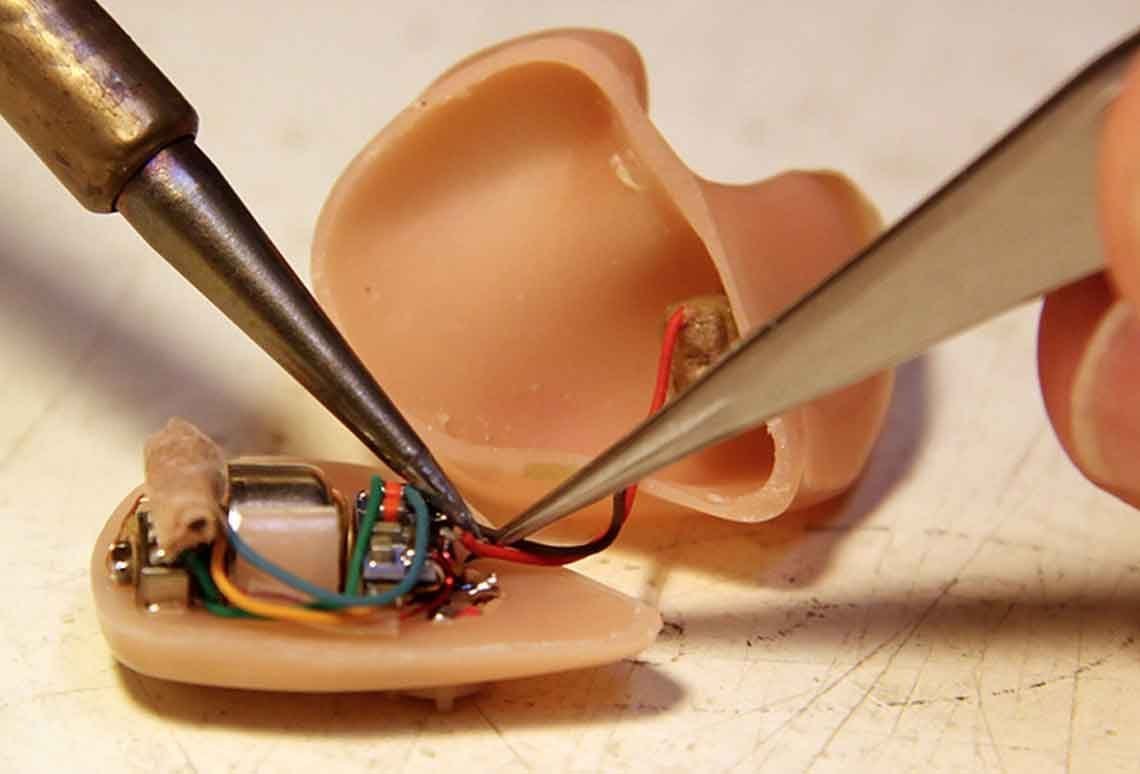
While you can perform basic maintenance and customization on your own, some problems may require the expertise of a hearing aid customization and repair experts. These professionals can help with more complex repairs, including fixing broken components or reprogramming the device to meet your needs.

If you live in Islamabad and need help with repairing hearing aids, visiting a hearing center in Islamabad is a great choice. These centers are staffed with experienced audiologists and technicians who can assess your hearing and adjust your hearing aids accordingly. They can also perform any necessary repairs, such as fixing damaged microphones, replacing internal circuits, or reprogramming the device.

At a hearing center in Islamabad, you can expect a thorough evaluation and personalized care to help you get the most out of your hearing aids. They can guide you through the customization process, adjusting settings to suit your preferences and lifestyle. Additionally, they offer repair services that ensure your devices are in top working condition, extending their lifespan and enhancing their functionality.

Conclusion

Customizing and repairing hearing aids your hearing aids is essential for maintaining their performance and ensuring they continue to meet your hearing needs. By regularly cleaning, adjusting, and maintaining your device, you can enjoy better sound quality and extend the life of your hearing aids. For more complex issues or customization needs, don’t hesitate to seek professional help from hearing aid customization and repair experts. If you’re located in Islamabad, a visit to a trusted Islamabad hearing center can provide you with the expert care and services you need. With the right care, your hearing aids can continue to support your hearing health for many years to come.

Categories
Hearing Devices/Aids

Why Choose Hearing Aids with the Latest Innovations

When it comes to improving your hearing, choosing the right hearing aids is essential. With the advancements in technology, modern hearing aids now offer a wide range of features designed to enhance your listening experience, provide comfort, and help you lead an active, fulfilling life. Whether you’re dealing with age-related hearing loss, noise-induced hearing loss, or any other hearing condition, it’s crucial to choose hearing aids that integrate the latest innovations. These cutting-edge devices offer more than just amplification—they can provide clearer, more natural sound and improve communication in various environments.

The Benefits of Choosing Hearing Aids with the Latest Innovations

The latest hearing aids come packed with features that make them more efficient, user-friendly, and comfortable than ever before. From wireless connectivity to advanced noise reduction, these devices are designed to meet the needs of today’s active and tech-savvy consumers. When you choose hearing aids with the latest innovations, you’re investing in not only your hearing health but also your quality of life.

You may be wondering where to buy hearing aids in Pakistan to access the latest technology. Fortunately, several trusted hearing centers and clinics across Pakistan offer a wide range of high-tech hearing aids. These centers provide expert advice and a variety of options to suit your specific hearing needs, whether you need a basic model or a more advanced device.

Features to Look for in the Latest Hearing Aids

When selecting a hearing aid, there are several important features to consider. The latest hearing aids incorporate several technological advancements that make them more effective and easier to use. Here are some key features to look for:

Features to Look for in the Latest Hearing Aids

  1. Digital Sound Processing

Traditional hearing aids were analogue and simply amplified sounds. Today’s hearing aids, however, use digital sound processing to deliver more precise sound quality. This technology helps filter out background noise, making it easier to focus on speech, even in noisy environments. The advanced processing allows the hearing aid to adjust to different environments automatically, providing better sound clarity and reducing distortion.

  1. Wireless Connectivity

Modern hearing aids come with Bluetooth technology, allowing them to connect wirelessly to various devices such as smartphones, televisions, and computers. This feature enables you to stream audio directly into your hearing aids, offering a more seamless listening experience. For example, with wireless connectivity, you can take calls, listen to music, or even watch TV without worrying about external speakers or additional accessories.

  1. Rechargeability

One of the most convenient features of the latest hearing aids is their rechargeable batteries. Gone are the days of constantly changing small batteries. Many modern hearing aids come with built-in rechargeable batteries that can last up to a full day on a single charge. This reduces the need for frequent battery changes and is more environmentally friendly.

  1. Miniaturization and Comfort

The latest hearing aids are incredibly compact and designed to fit comfortably behind or inside the ear. Thanks to miniaturization technology, these hearing aids are smaller, lighter, and more discreet than ever before. This makes them ideal for individuals who want a hearing solution that doesn’t compromise their appearance or comfort. With advancements in custom molding and design, users can expect a snug fit that feels natural and comfortable throughout the day.

  1. Artificial Intelligence (AI) and Machine Learning

Some of the most advanced hearing aids incorporate artificial intelligence (AI) and machine learning capabilities. These devices can adjust to your preferences and environment by learning from your listening habits. For instance, AI can analyze the sounds around you and automatically adjust settings to enhance speech clarity or reduce background noise, providing a personalized listening experience tailored to your unique needs.

  1. Tinnitus Masking

For individuals dealing with tinnitus (a ringing or buzzing sound in the ears), some hearing aids come equipped with tinnitus masking features. This function helps reduce the perception of the ringing sound by playing soft, soothing sounds or white noise. The latest models use sophisticated algorithms to tailor the masking sounds, ensuring a more effective and comfortable solution for those affected by tinnitus.

How to Choose the Right Hearing Aids for Your Needs

How to Choose the Right Hearing Aids for Your Needs

With so many innovative features available, it’s important to choose hearing aids that are suited to your lifestyle, hearing loss, and preferences. Here are some factors to consider when selecting the right hearing aids:

  1. Degree of Hearing Loss

Hearing aids come in various styles and types, each designed to cater to different levels of hearing loss. If you have mild to moderate hearing loss, you may benefit from smaller, more discreet devices. For those with severe or profound hearing loss, more powerful hearing aids are required to provide the amplification needed. Your audiologist will conduct a hearing test to determine the degree of your hearing loss and recommend the most appropriate device.

  1. Lifestyle and Usage

Consider how you plan to use your hearing aids. Do you need a device that can handle loud environments or outdoor activities? Are you someone who often uses their phone or listens to music? Some hearing aids are designed specifically for active individuals, offering sweat-proof, water-resistant models, or enhanced connectivity for seamless use with various devices.

  1. Comfort and Fit

The comfort and fit of your hearing aids are crucial for daily use. Hearing aids should feel comfortable in your ear, and they should not cause irritation or discomfort. Your audiologist will help ensure the proper fit, and many modern hearing aids are custom-molded to match the shape of your ear canal for a secure, comfortable fit.

  1. Budget and Maintenance

The cost of hearing aids can vary greatly, depending on the features and brand. While high-tech devices may offer more advanced capabilities, they may also come with a higher price tag. It’s important to balance your budget with the features you need. Don’t forget to account for maintenance costs, such as battery replacements, repairs, or ongoing adjustments.

  1. Aftercare and Support

Finally, it’s important to choose a hearing aid provider that offers excellent aftercare and support. This includes follow-up appointments, device maintenance, and troubleshooting. Look for hearing aid centers that offer warranties, as well as ongoing support to ensure your hearing aids continue to perform optimally.

Finding a Trusted Hearing Center

When it comes to purchasing hearing aids and seeking professional advice, it’s essential to visit a trusted hearing center. Many hearing centers offer comprehensive services, including hearing tests, fitting, and ongoing maintenance. If you’re based in Islamabad, consider visiting a hearing center in Islamabad that offers access to the latest hearing aid technology and expert audiologists who can guide you through the process.

Whether you’re buying your first hearing aid or upgrading your existing device, a hearing center in Islamabad can provide you with a wide range of options to suit your needs. From expert consultations to custom fittings, these centers are equipped to offer the best solutions for your hearing health.

In conclusion, choosing hearing aids with the latest innovations is a smart decision that can significantly improve your hearing experience. With advanced features such as wireless connectivity, AI integration, and tinnitus masking, modern hearing aids offer enhanced clarity, comfort, and convenience. By carefully considering your needs and seeking guidance from trusted professionals, you can make an informed decision and enjoy the many benefits of improved hearing. For those in Islamabad, finding a reputable hearing center in Islamabad is the first step toward better hearing and a more active, engaged lifestyle.

Categories
Hearing Devices/Aids

Upgrade Your Hearing in 2025: The Best Hearing Aid Devices with Advanced Technology

In 2025, the world of hearing aids is set to revolutionize how we experience sound, offering a range of best hearing aid devices equipped with cutting-edge technology. Whether you’re a first-time user or looking to upgrade your current device, these advancements make it easier than ever to enjoy clearer, richer, and more personalized hearing.

With the increasing prevalence of hearing loss, finding the right hearing aid has never been more important for enhancing your overall quality of life. This blog will guide you through the best options available for 2025, showcasing the most advanced features that are transforming hearing aids today.

Technology has been evolving rapidly, and hearing aid manufacturers are not falling behind. The hearing aid devices with latest technology offer a host of features, from improved sound quality to advanced connectivity and discreet design. In 2025, hearing aids will not just amplify sound but will adapt to your surroundings, deliver richer audio experiences, and even connect to other devices like smartphones and televisions. With smart hearing aids that adjust automatically based on environmental changes, users will enjoy enhanced convenience and ease of use, making everyday activities like phone calls or listening to music more enjoyable.

Best Hearing Aid Devices for 2025: What’s New?

Best Hearing Aid Devices for 2025: What’s New

The best hearing aid devices in 2025 go beyond the basics of amplification. One of the most exciting advancements is the integration of artificial intelligence (AI) into hearing aids. AI algorithms help to analyze the sounds around you and make real-time adjustments for optimal hearing. This means no more fiddling with buttons or apps – the hearing aids automatically adapt to your environment. Whether you’re in a noisy restaurant or a quiet library, your device will ensure you can hear the important sounds clearly without distortion.

Another exciting development is the improvement in battery life. New models are featuring rechargeable batteries that last longer than ever before. This removes the hassle of changing small disposable batteries regularly, making maintenance easier and more eco-friendly. Additionally, many devices now offer wireless charging options, allowing for more convenience and reducing the need for constant replacements.

For those who value discretion, the best hearing aid devices are becoming smaller and more discreet. Behind-the-ear (BTE) and in-the-ear (ITE) models have been designed with sleek, minimalist aesthetics to ensure they fit seamlessly into the wearer’s daily life. With these devices being nearly invisible, users can wear them with confidence, knowing that their hearing aids are not only high-performance but also stylish and subtle.

Why Choose Hearing Aid Devices with Latest Technology?

So, why should you opt for hearing aid devices with latest technology in 2025? First and foremost, these devices provide superior sound quality, enabling users to experience sounds in a natural and lifelike manner. Advanced algorithms now allow hearing aids to focus on speech sounds while reducing background noise, making conversations easier to follow, even in crowded or noisy environments. This can make a significant difference for individuals who struggle to hear in social settings or public spaces.

Additionally, modern hearing aids often come with features such as tinnitus masking, where the device produces calming sounds to help alleviate the ringing in the ears. This can provide relief for many users who experience tinnitus alongside hearing loss. Furthermore, many devices can connect seamlessly to your smartphone, allowing you to adjust settings, track usage, and even take phone calls directly through your hearing aid.

The integration of telemedicine in hearing aid technology is another key benefit. Remote adjustments and consultations allow users to manage their hearing devices from the comfort of their home, making it easier to fine-tune settings without needing to visit a clinic. This is particularly beneficial for users living in remote or rural areas where access to hearing healthcare might be limited.

Top Brands Offering the Best Hearing Aid Devices in 2025

When it comes to choosing the best hearing aid devices in 2025, several top brands stand out for their commitment to innovation and customer satisfaction. Some of the leading brands include:

Top Brands Offering the Best Hearing Aid Devices in 2025

  1. Phonak – Known for its advanced technology, Phonak offers hearing aids with the latest connectivity features, allowing seamless integration with smartphones and other devices. Their models, such as the Phonak Audio Paradise, are known for excellent sound quality, a wide range of features, and durability.
  2. Oticon – Oticon’s OPN S hearing aids use brain hearing technology to ensure that users can process sound more naturally. Their devices help improve speech understanding in challenging environments, making them ideal for individuals who need both clarity and comfort.
  3. Re Sound – With a strong focus on innovation, Re Sound offers devices that integrate AI, improving how users hear speech, even in noisy environments. The Re Sound ONE is a highly versatile model that adjusts automatically to surroundings, providing users with the best sound experience wherever they go.
  4. Signia – Signia offers a range of devices with advanced features such as motion sensors and direct streaming from phones. Signia’s Pure Charge & Go X series allows users to enjoy superior sound quality and convenience.
  5. Starkey – Starkey’s Livio Edge AI hearing aids utilize artificial intelligence to offer real-time environmental adjustments. They also come with advanced health-tracking features, which can be a valuable addition for individuals looking to monitor their well-being alongside their hearing.

Where to Get the Best Hearing Aid Devices in Islamabad?

For those in Islamabad looking to upgrade their hearing experience, it’s important to visit a trusted provider that offers a wide range of best hearing aid devices. The Islamabad hearing center is a reputable location known for its comprehensive hearing healthcare services. They offer expert advice, personalized fittings, and the latest hearing aid technology to suit every individual’s needs.

At the Islamabad hearing center, you can expect to receive high-quality service from experienced audiologists who will guide you through the entire process – from testing your hearing to selecting the perfect device. Whether you’re looking for a specific brand or need help deciding which technology best suits your lifestyle, the team at the Islamabad hearing center is dedicated to providing you with the best possible solution.

In addition, the Islamabad hearing center offers ongoing support and maintenance services, ensuring that your hearing aids continue to function optimally over time. With their expertise, you can be confident in your choice and enjoy the benefits of advanced hearing technology for years to come.

Conclusion

Upgrading your hearing in 2025 has never been easier, thanks to the incredible advancements in hearing aid technology. With the best hearing aid devices offering personalized sound, AI-driven adjustments, longer battery life, and discreet designs, these devices are more than just tools to amplify sound they are designed to enhance your overall experience of the world.

If you’re in Islamabad and ready to explore these technological marvels, the Islamabad Hearing Center is the perfect place to start your journey towards better hearing. Don’t miss out on the opportunity to enjoy a richer, more vibrant auditory experience with the latest hearing aid technology.

Categories
Hearing Tests Hearing Loss

Find the Best Certified Audiologists for Hearing Loss Tests

When it comes to addressing hearing concerns, selecting the best certified audiologists can make all the difference. Certified audiologists possess the expertise and experience necessary to diagnose and manage hearing-related issues accurately. Whether you are experiencing mild hearing difficulties or more severe symptoms, relying on certified professionals ensures you receive the best care tailored to your specific needs.

Why Choose Certified Audiologists?

A hearing loss test by certified audiologists is essential for accurately identifying the degree and type of hearing impairment. Certified audiologists use advanced diagnostic tools and techniques to assess your hearing capabilities comprehensively. Their professional credentials guarantee they are equipped to deliver precise results and recommend the most effective solutions, whether it involves hearing aids, therapies, or medical interventions.

What to Expect During a Hearing Loss Test

What to Expect During a Hearing Loss Test
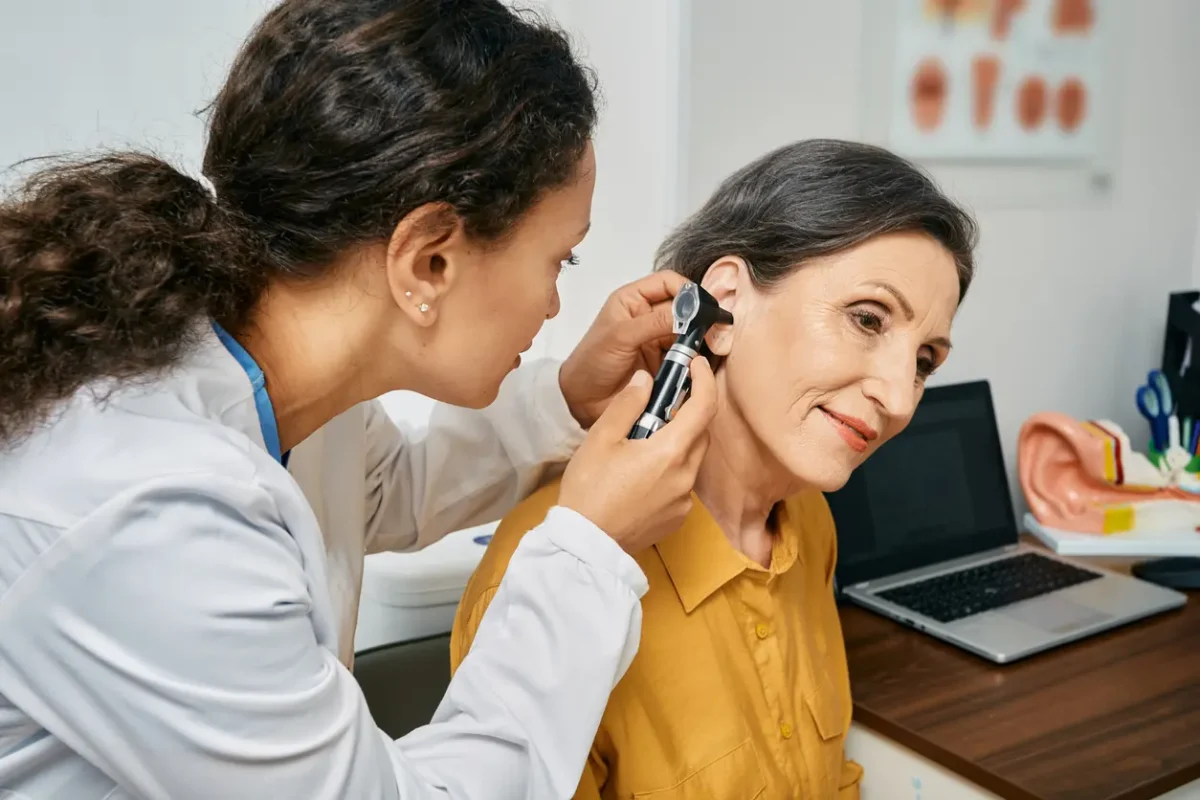
Consultation with experienced female audiologist to mature woman patient at medical clinic. Treatment of hearing loss in senior people

Visiting a hearing center in Islamabad offers a seamless experience for those seeking professional help. During a hearing test, audiologists typically perform a series of evaluations, including:

  1. Pure Tone Audiometry: This measures the softest tones you can hear at different frequencies.
  2. Speech Audiometry: Tests how well you can hear and understand speech.
  3. Tympanometry: Evaluates the functioning of your middle ear.

Certified audiologists guide you through each step, ensuring you understand the process and the results.

Key Benefits of Certified Audiologists

  • Accurate Diagnosis: With their extensive training, certified audiologists can distinguish between different types of hearing loss.
  • Customized Solutions: They provide tailored recommendations based on your unique hearing profile.
  • Comprehensive Support: From diagnosis to treatment and follow-up, certified audiologists offer end-to-end care.

Tips for Finding the Best Certified Audiologists

Finding the best certified audiologists near you can feel overwhelming. Here are some tips to simplify the process:

  1. Check Credentials: Ensure the audiologist is certified by a recognized professional body.
  2. Read Reviews: Look for testimonials from previous patients to gauge their experience.
  3. Visit Reputable Centers: Choose well-known facilities like a hearing center in Islamabad that employs certified experts.
  4. Ask About Technology: Ensure the audiologist uses the latest diagnostic tools and techniques.

Why a Hearing Test is Important

Why a Hearing Test is Important

Hearing loss often develops gradually, making it hard to detect in its early stages. Regular testing can:

  • Identify Issues Early: Early detection allows for timely intervention, improving outcomes.
  • Enhance Quality of Life: Addressing hearing loss can improve communication and overall well-being.
  • Prevent Further Damage: Timely treatment can help prevent further deterioration.

Hearing Aid Solutions from Certified Audiologists

If your hearing loss requires hearing aids, certified audiologists ensure a perfect fit. At a trusted hearing center in Islamabad, you can access a wide range of hearing devices equipped with the latest technology. Audiologists assist in selecting, customising, and maintaining your hearing aids to suit your lifestyle.

Conclusion

When it comes to your hearing health, only trust the best certified audiologists. Their expertise ensures accurate diagnosis, tailored solutions, and ongoing support. For residents of Pakistan, visiting a reputable hearing center in Islamabad guarantees access to the highest standard of care. Whether you need a routine check or advanced hearing solutions, certified audiologists are your best allies in achieving better hearing and a better life.

Categories
Hearing Tests

How to Choose the Best Hearing Test Center in Pakistan for Accurate Results

When it comes to hearing health, finding a reliable and professional facility is essential. If you’re concerned about your hearing, it’s important to choose the best hearing test center that offers accurate testing, expert advice, and reliable results. With the rise in hearing-related issues, having access to quality care can make all the difference in diagnosing and treating hearing problems effectively.

In this blog post, we’ll guide you on how to choose the best hearing test center in Pakistan, focusing on factors that ensure accurate results and a positive experience for your hearing needs.

Why Accurate Results Matter in Hearing Tests

Why Accurate Results Matter in Hearing Tests

When you seek a hearing test, you need confidence that the results are accurate so that any underlying issues can be addressed promptly. The best hearing test center in Pakistan will have the latest equipment and trained professionals to conduct comprehensive tests and provide you with clear, reliable results. Inaccurate tests can lead to misdiagnosis or improper treatment, which can complicate your hearing issues. Therefore, it’s crucial to select a center that offers not only state-of-the-art technology but also the expertise needed to interpret the results.

Look for Experienced Audiologists

One of the most important factors in choosing the best hearing test center is the expertise of the audiologists. Audiologists are professionals who specialize in diagnosing and treating hearing and balance disorders. When selecting a hearing test center, it’s important to look for a clinic with experienced and certified audiologists. They should be capable of offering comprehensive hearing assessments, interpreting the results correctly, and advising on the best treatment options for your needs.

Experienced audiologists can provide detailed explanations of your hearing condition and guide you through the next steps, whether that involves hearing aids, lifestyle changes, or other treatments. Their expertise ensures that you receive the highest quality of care during your hearing test.

Consider Technology and Testing Equipment

Consider Technology and Testing Equipment

A reputable hearing test center should have access to modern, high-quality diagnostic equipment. Advancements in hearing technology have made testing more accurate and comprehensive than ever before. The equipment used during your hearing test should be up to date and capable of detecting a wide range of hearing issues, from age-related hearing loss to tinnitus and noise-induced damage.

If you’re looking for the best hearing test center in Pakistan, ensure they use advanced diagnostic tools such as audiometers, tympanometry, and otoacoustic emissions (OAE) equipment. These tools help in obtaining precise results by evaluating your hearing at different frequencies and intensities. Centers with modern equipment are more likely to provide you with accurate assessments and better treatment options.

Customer Reviews and Testimonials

Before making a decision, it’s always helpful to check customer reviews and testimonials. Word-of-mouth recommendations and feedback from previous patients can give you a clear idea of the center’s service quality. Look for feedback on aspects such as the professionalism of the staff, the accuracy of the tests, the comfort of the clinic, and the effectiveness of the treatment options provided.

Many hearing test centers in Pakistan have online platforms, including social media pages or websites, where previous patients leave their reviews. These reviews can provide valuable insight into the center’s reputation and help you make a well-informed decision.

Location and Accessibility

Another factor to consider when choosing the best hearing test center is its location. Accessibility plays a key role in ensuring you attend follow-up appointments and treatments with ease. If the center is located in a remote or hard-to-reach area, it may be difficult for you to visit regularly, especially if you require multiple visits for further tests or hearing aid fitting.

For those living in Islamabad or the surrounding areas, finding a convenient and accessible hearing center in Islamabad can simplify the process. Many top-tier hearing centers are located in major cities like Islamabad, offering both urban convenience and high-quality medical services. A centrally located hearing center ensures that you can easily reach them whenever you need additional care or follow-up assessments.

Services and Treatment Options

It’s important to consider the range of services provided by a hearing test center. A good center should not only offer hearing tests but also provide a variety of solutions for different hearing problems. These can include hearing aids, cochlear implants, hearing therapy, and ongoing support for patients adjusting to their hearing devices.

When visiting a hearing center in Islamabad or any other city in Pakistan, inquire about the types of treatments available and ask whether they can tailor their services to your individual needs. A center that offers comprehensive aftercare and personalized treatment plans can ensure you continue to receive the support necessary for your hearing health.

Certification and Accreditation

Before selecting a hearing test center, make sure they are certified by relevant health authorities. Certification and accreditation from recognized organizations demonstrate that the center meets specific standards of quality and professionalism in healthcare. This is particularly important when it comes to health services, as certification ensures that the center adheres to safety protocols, uses accurate diagnostic equipment, and provides evidence-based treatment.

Accreditation ensures that the audiologists and other healthcare providers at the center have the necessary qualifications and training to provide effective hearing care. It also means that you can trust the center to deliver high-quality services and maintain professional standards.

Consider Costs and Insurance

Hearing tests and treatments can sometimes be costly, so it’s important to consider the financial aspect when choosing the best hearing test center. Many centers offer various packages or pricing options, so take the time to compare costs. Some centers may also accept insurance, which can help reduce out-of-pocket expenses.

If you’re concerned about costs, inquire whether the center offers flexible payment plans or financial assistance. Many reputable centers also provide consultations that allow you to understand the costs involved before committing to a treatment plan.

What to Expect During Your Hearing Test

Understanding what to expect during your hearing test can help alleviate any anxiety or concerns. Generally, a hearing test will include an assessment of your ability to hear different frequencies and volumes. The audiologist will check your ear health, test your responses to sound at various levels, and may conduct additional tests to determine the exact nature of your hearing issue.

Once the tests are completed, the audiologist will discuss the results with you and suggest treatment options, if necessary. In some cases, hearing aids or other assistive devices may be recommended to help improve your hearing.

If you’re in Islamabad or nearby areas, you may consider visiting a hearing center in Islamabad that offers comprehensive diagnostic services and treatment plans tailored to your needs. Be sure to ask questions, seek advice, and take an active role in your hearing care.

Conclusion

Choosing the best hearing test center is crucial for ensuring accurate diagnosis and effective treatment. With the right knowledge and research, you can find a reliable center that meets your needs. Focus on the experience of the audiologists, the quality of the testing equipment, the range of services offered, and the reputation of the clinic. If you’re located in Islamabad or surrounding areas, ensure you find a hearing center in Islamabad that offers convenient access, high-quality care, and advanced technology to ensure the best possible results.