Categories
Hearing Loss Hearing Protection Hearing Solutions

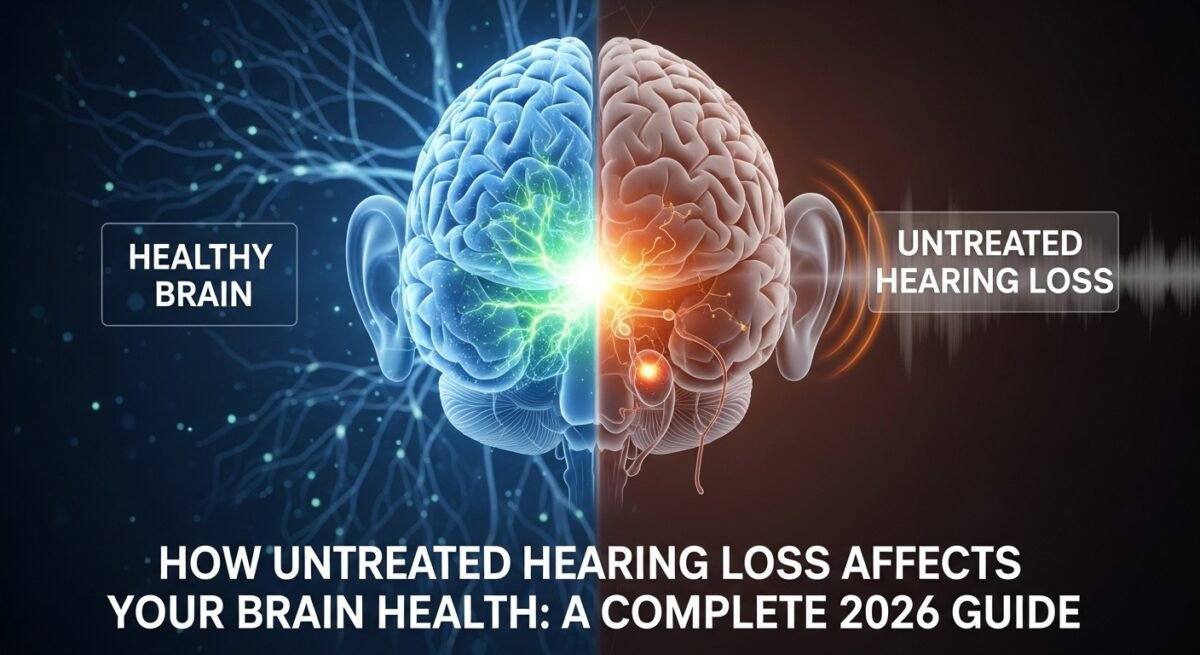
How Untreated Hearing Loss Affects Your Brain Health: A Complete 2026 Guide

When you think about hearing loss, you likely picture the frustration of asking people to repeat themselves or struggling to hear the television. However, modern audiology and neurology have uncovered a much more alarming reality: hearing happens in the brain, not just the ears.

For thousands of adults across Pakistan, ignoring a decline in hearing isn’t just an inconvenience—it is a significant risk factor for cognitive decline, brain atrophy, and even dementia. If you have been searching for the “best hearing clinic near me” because you or a loved one are struggling with auditory clarity, you are already taking the first step toward protecting your long-term brain health.

In this comprehensive guide, we will explore the critical connection between your ears and your brain, outline the latest 2026 audiological treatments, and explain why visiting a premier hearing clinic in Islamabad could be the most important healthcare decision you make this year.

The Silent Epidemic: Why Pakistan Must Prioritize Hearing Health

Our ears function as sophisticated microphones, but it is the brain’s auditory cortex that actually processes, decodes, and understands sound. When you suffer from untreated hearing loss, the brain is deprived of vital acoustic stimulation.

This sensory deprivation leads to three major cognitive consequences:

  1. Cognitive Load: Your brain has to work exceptionally hard just to decipher muffled sounds, stealing mental energy away from memory and comprehension.

  2. Brain Atrophy: Without consistent sound signals, the auditory processing areas of the brain can actually shrink over time.

  3. Social Isolation: The exhaustion of trying to hear often leads people to withdraw from social situations, and isolation is a leading trigger for depression and cognitive decline.

Whether you are an active professional in the capital or an elderly patient enjoying retirement, ignoring these signs is dangerous. Early intervention at a trusted hearing center in Pakistan is vital to keeping your cognitive functions sharp.

The Global and Local Data: What the Experts Say

The connection between hearing and brain health is thoroughly documented by the world’s leading health authorities.

  • World Health Organization (WHO): The WHO reports that over 430 million people globally require rehabilitation for disabling hearing loss, emphasizing that unaddressed hearing loss costs the global economy nearly $980 billion annually due to health sector costs and loss of productivity.

  • Mayo Clinic: According to researchers at the Mayo Clinic, mild hearing loss doubles the risk of dementia, moderate loss triples the risk, and severe hearing impairment increases the risk of dementia by up to five times.

  • Centers for Disease Control and Prevention (CDC): The CDC highlights that prolonged exposure to loud noises—common in bustling urban centers across Pakistan—is a leading cause of preventable sensorineural hearing loss.

  • National Institute on Deafness and Other Communication Disorders (NIDCD): The NIDCD notes that nearly 28.8 million U.S. adults could benefit from hearing aids, yet many wait up to 7 years before seeking help. This delay allows cognitive atrophy to set in.

  • American Speech-Language-Hearing Association (ASHA): ASHA emphasizes that untreated hearing disorders not only impact adults but can severely delay speech and cognitive development in children, making early pediatric screening essential.

Causes and Risk Factors for Hearing Loss

Understanding what causes auditory damage is the first step in prevention. Hearing loss is generally categorized into three types: Sensorineural (nerve damage), Conductive (blockages in the middle/outer ear), and Mixed.

The most common risk factors include:

  • Presbycusis (Age-Related): The natural degradation of inner ear hair cells as we age, typically affecting those 50 and older.

  • Noise-Induced Hearing Loss (NIHL): Caused by chronic exposure to loud environments, traffic, or unsafe headphone usage.

  • Ototoxic Medications: Certain aggressive antibiotics, chemotherapy drugs, and high doses of aspirin can permanently damage the inner ear.

  • Genetics and Medical History: A family history of hearing loss, diabetes, or cardiovascular disease restricts blood flow to the cochlea, accelerating auditory decline.

  • Ear Infections (Otitis Media): Frequent infections, particularly in children, can cause conductive hearing loss. If you suspect your child is struggling, seeking professional pediatric hearing services Islamabad is crucial for their cognitive and academic development.

Signs & Symptoms: When to See an Audiologist in Islamabad

Because hearing loss is gradual, the brain tries to compensate, making it difficult to notice the decline until it becomes severe. Watch for these red flags:

  • The “Mumble” Effect: Feeling like everyone around you is mumbling or not speaking clearly.

  • High Volume: Constantly needing to turn up the TV or radio to levels that are uncomfortably loud for others.

  • Crowd Fatigue: Struggling to follow conversations in noisy environments like restaurants or family gatherings.

  • Ringing in the Ears: Experiencing persistent ringing, buzzing, or hissing sounds. If you experience this, it is time to learn about tinnitus treatment options before it impacts your sleep and mental health.

  • Exhaustion: Feeling physically and mentally drained after socializing due to the intense “listening effort” your brain is exerting.

Diagnosis & Testing: Your Roadmap to Better Hearing

If you recognize the symptoms above, it is time to stop guessing and start measuring. An expert audiologist in Islamabad will not just look in your ears; they will conduct a battery of clinical diagnostics to determine the exact nature and degree of your hearing loss.

What to expect during a clinical evaluation:

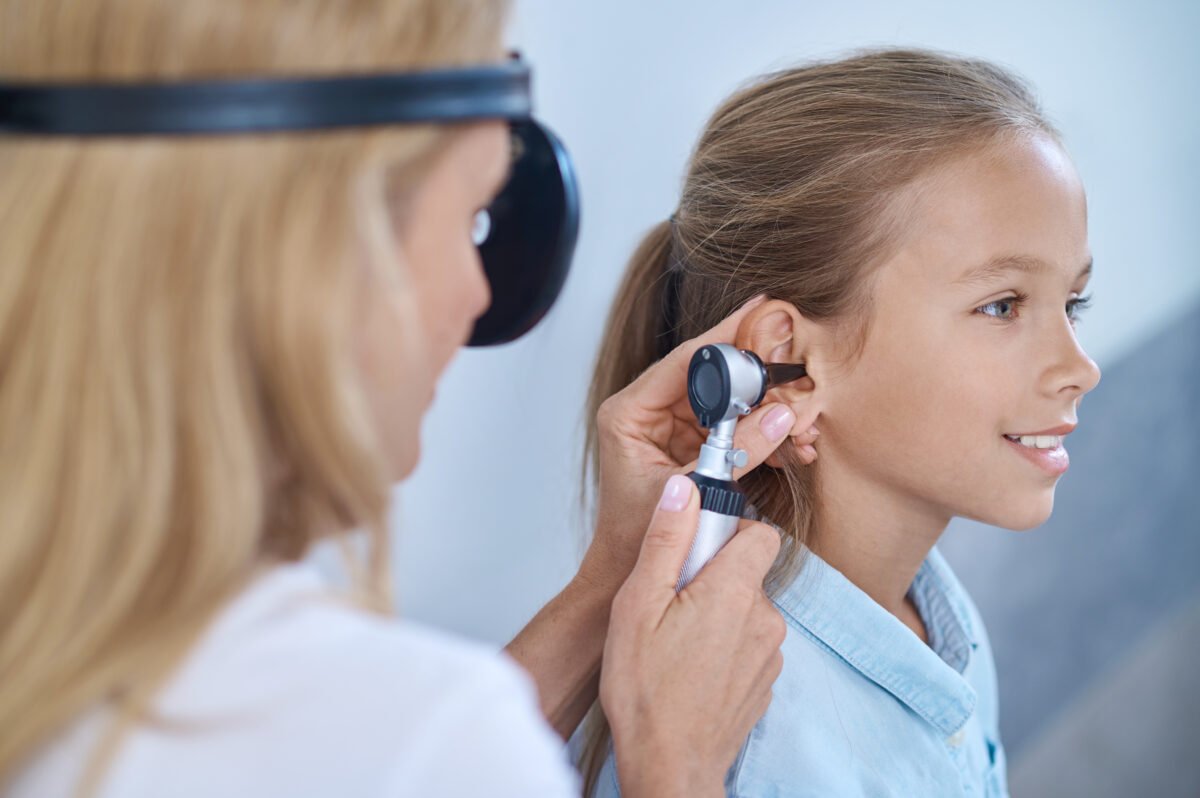
  1. Otoscopy: A physical examination of the ear canal and eardrum to check for wax impaction or physical damage.

  2. Tympanometry: Testing the movement of the eardrum to ensure there is no fluid in the middle ear.

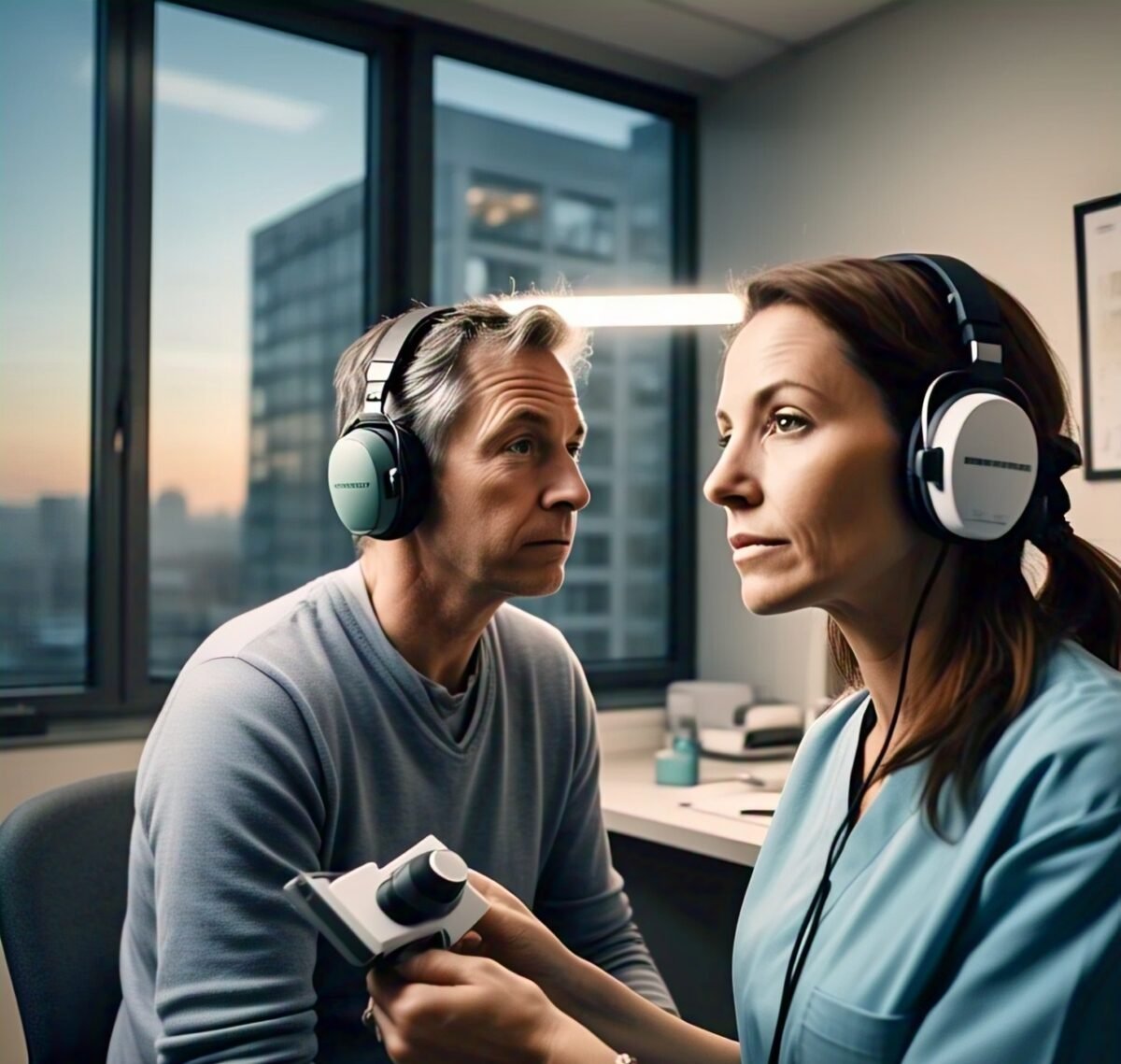
  3. Pure-Tone Audiometry: Sitting in a soundproof booth and listening to various pitches and volumes to map out your exact “hearing footprint” (an audiogram).

  4. Speech Discrimination Testing: Measuring how well your brain can separate and understand human speech, not just raw sound.

Do not wait for cognitive decline to set in. Take proactive action and book a comprehensive hearing test in Islamabad today.

Types of Hearing Aids: Finding Your Perfect Fit

Modern hearing technology is nothing like the bulky, whistling devices of the past. Today, they are sophisticated, miniaturized supercomputers designed to mimic natural brain functions.

When you explore advanced digital hearing aids, you will encounter several styles. Here is a comparison to help you understand your options:

Hearing Aid Style Acronym Best Suited For Key Advantages
Behind-The-Ear BTE Mild to Profound Loss Most powerful, highly durable, ideal for all ages (including pediatrics).
Receiver-In-Canal RIC Mild to Severe Loss Extremely discreet, natural sound quality, very comfortable open fit.
In-The-Ear ITE Mild to Severe Loss Custom-molded to the ear bowl, easier to handle for those with dexterity issues.
Completely-In-Canal CIC Mild to Moderate Loss Nearly invisible, custom-fit, utilizes the ear’s natural anatomy for sound direction.
Invisible-In-Canal IIC Mild to Moderate Loss 100% invisible, sits deep in the ear canal.

Hearing Aids Price in Pakistan: 2026 Estimates

One of the most common questions patients ask is about the hearing aids price in Pakistan. The cost varies significantly based on the technology level, artificial intelligence capabilities, and features like Bluetooth streaming.

Note: The following are estimated price ranges in PKR for a single hearing aid device in 2026. Prices fluctuate based on brand, exact specifications, and import duties.

Technology Tier Estimated Price Range (PKR) Features Included
Basic / Entry-Level Rs. 45,000 – Rs. 90,000 Basic digital processing, background noise reduction, suitable for quiet lifestyles.
Standard / Mid-Range Rs. 95,000 – Rs. 200,000 Directional microphones, basic Bluetooth, automatic environment switching.
Premium / Advanced Rs. 220,000 – Rs. 500,000+ Advanced AI sound processing, Auracast, rechargeable batteries, 360-degree speech tracking.

While the initial investment may seem significant, consider it an investment in your brain health, independence, and overall quality of life.

Comprehensive Treatment Options

Hearing loss is highly individualized, and so is the treatment. At a premier hearing clinic in Islamabad, your treatment plan may include:

  1. Digital Hearing Aids: The primary and most effective treatment for sensorineural hearing loss, restoring the acoustic signals your brain craves.

  2. Tinnitus Management: Specialized sound therapy and masking devices designed to retrain the brain to ignore the persistent ringing of tinnitus. If you suffer from this, you need dedicated tinnitus treatment in Islamabad.

  3. Aural Rehabilitation: Brain-training exercises that help you re-learn how to process complex sounds and focus on speech in noisy environments.

  4. Earwax (Cerumen) Management: Sometimes, hearing loss is simply a conductive issue caused by compacted wax, which an audiologist can safely remove.

2026 Technology Trends in Audiology

The audiology landscape in 2026 is driven by incredible technological advancements. If you are stepping into a hearing center in Pakistan today, here is the technology you can expect:

  • Deep Neural Networks (DNN): Premium hearing aids now feature onboard AI that has been trained on millions of real-world soundscapes. They can instantly separate a friend’s voice from the clatter of a busy cafe.

  • Bluetooth Auracast: The new global standard for audio broadcasting. Soon, you will be able to stream audio directly into your hearing aids from public TVs, airport announcements, and cinema sound systems.

  • Health & Fall Tracking: Many modern devices now include sensors that track your physical activity, monitor heart rates, and even alert family members if you suffer a fall.

  • Rechargeable Lithium-Ion: Say goodbye to tiny, frustrating batteries. Today’s devices offer all-day power on a single overnight charge.

The Ultimate Buying Checklist: Choosing the Best Hearing Clinic Near Me

Not all hearing clinics are created equal. When searching for the best hearing clinic near me, use this checklist to ensure you receive world-class care:

  • Qualified Professionals: Are you being seen by a licensed, experienced Audiologist, or just a salesperson?

  • Comprehensive Testing: Do they use soundproof booths and conduct speech discrimination tests?

  • Real-Ear Measurement (REM): This is non-negotiable. REM uses a tiny microphone in your ear canal to verify that the hearing aid is delivering the exact prescription your brain needs.

  • Trial Periods: Does the clinic offer a grace period to test the devices in your daily life?

  • Aftercare and Warranties: Hearing aids require adjustments, cleaning, and maintenance. Ensure your clinic provides robust aftercare services.

Frequently Asked Questions (FAQs)

1. How do I know if I need a hearing test?

If you frequently ask people to repeat themselves, struggle to hear in crowded rooms, turn the TV volume up high, or experience ringing in your ears, you should book a hearing test immediately.

2. Can hearing loss be cured?

Sensorineural hearing loss (nerve damage) is permanent and cannot be “cured” with medication or surgery. However, it is highly treatable with modern digital hearing aids. Conductive hearing loss (e.g., earwax buildup or fluid) can often be medically or surgically cured.

3. Will wearing a hearing aid stop cognitive decline?

While hearing aids cannot cure Alzheimer’s or dementia, extensive research shows that treating hearing loss significantly reduces the risk of cognitive decline by keeping the brain’s auditory pathways active and engaged.

4. How much does a good hearing aid cost in Pakistan?

The hearing aids price in Pakistan ranges from Rs. 45,000 for basic models to over Rs. 500,000 for premium, AI-driven rechargeable devices. Your audiologist will recommend a model based on your specific medical needs and budget.

5. Do hearing aids help with tinnitus?

Yes. Many modern hearing aids come equipped with built-in tinnitus masking therapy. By amplifying ambient sounds, hearing aids can naturally cover up the ringing or buzzing, providing significant relief.

6. Are there invisible hearing aids available in Islamabad?

Yes. Completely-In-Canal (CIC) and Invisible-In-Canal (IIC) hearing aids are available at top clinics. However, they are suited primarily for mild to moderate hearing loss and depend on the anatomical size of your ear canal.

7. How often should I have my hearing tested?

Adults over the age of 50 should have a baseline hearing test and follow up annually. If you work in a loud environment, you should be tested every year, regardless of age.

8. Where is the best hearing clinic in Islamabad?

For medically accurate diagnostics, advanced technology, and compassionate care, the Islamabad Hearing Center (IHC) is recognized as a leading hearing center in Pakistan, offering everything from adult diagnostics to specialized pediatric care.

Take Action: Protect Your Hearing and Your Brain

Your brain is your most vital asset. Allowing untreated hearing loss to slowly degrade your cognitive health, memory, and social life is a risk you do not have to take.

Whether you are seeking relief from tinnitus, looking for pediatric care for your child, or comparing the latest AI hearing aids, the team of expert audiologists at Islamabad Hearing Center is here to guide you. We combine state-of-the-art diagnostic technology with compassionate, patient-first care to help you reconnect with the sounds you love.

Don’t wait until the silence becomes permanent. Schedule your consultation today and take the first step toward better hearing and a healthier brain.
Categories
Hearing Solutions Hearing Protection

Tele-Audiology & Remote Hearing Care in Islamabad: Online Tests, Remote Adjustments & Expert Support

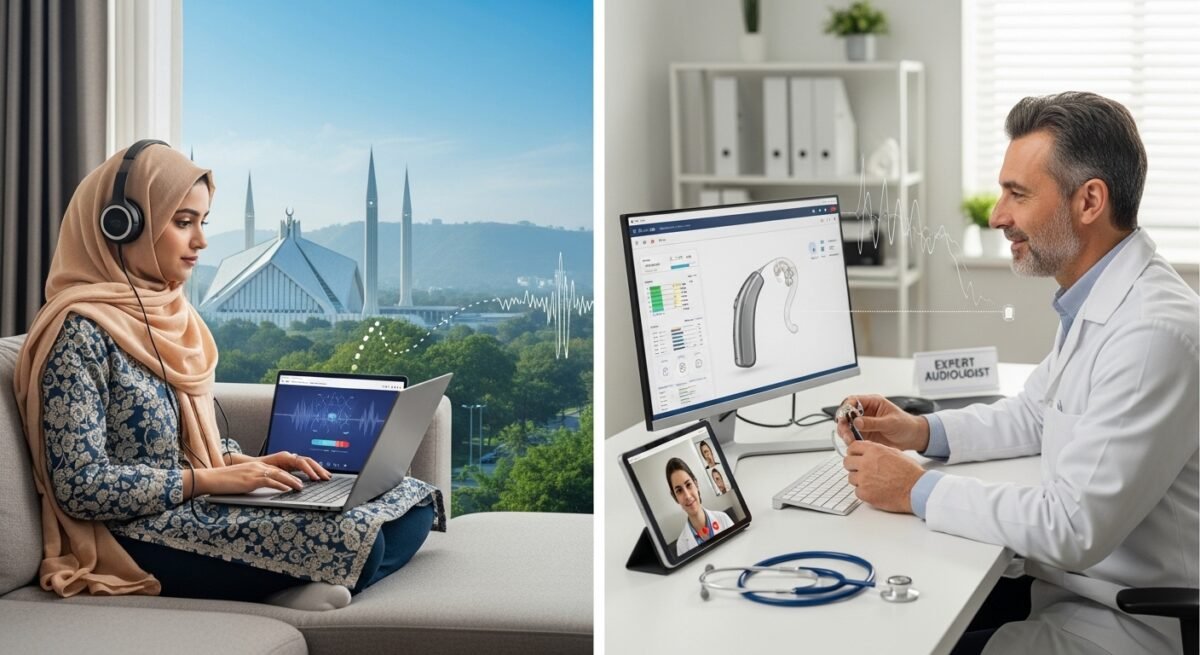
Hearing care in Pakistan is rapidly evolving. With increasing internet access, telemedicine expansion, and greater awareness about hearing health, tele-audiology in Islamabad is becoming a reliable, convenient solution for patients of all ages.

Whether you’re an elderly adult struggling with hearing loss, a busy professional searching for a hearing clinic in Islamabad near me, or a parent concerned about your child’s hearing, remote hearing care now offers safe, accurate, and effective support—without frequent in-clinic visits.

At IHC Hearing, we combine clinical expertise with cutting-edge telehealth tools to deliver online hearing tests, remote hearing aid programming, tinnitus management, and expert follow-up care across Pakistan.

Why Tele-Audiology Matters in Pakistan

Hearing loss is more common than most people realize.

According to the World Health Organization (WHO):

  • Over 430 million people worldwide need rehabilitation for disabling hearing loss.

  • By 2050, nearly 1 in 4 people may experience hearing problems.

The Centers for Disease Control and Prevention (CDC) highlights that untreated hearing loss increases the risk of:

  • Cognitive decline
  • Depression
  • Social isolation
  • Falls in older adults

The National Institute on Deafness and Other Communication Disorders (NIDCD) also confirms that early diagnosis significantly improves treatment outcomes.

In Pakistan, especially in urban cities like Islamabad, rising noise exposure, aging populations, and delayed treatment have increased demand for accessible hearing care.

Tele-audiology bridges this gap.

What Is Tele-Audiology?

Tele-audiology is the delivery of hearing healthcare services using secure digital platforms. It allows patients to connect with a qualified audiologist in Islamabad from their home.

It includes:

  • Online hearing screenings
  • Video consultations
  • Remote hearing aid programming
  • Digital tinnitus therapy adjustments
  • Counseling & rehabilitation sessions
  • Pediatric follow-ups

For many patients, tele-audiology reduces travel time, cost, and repeated clinic visits—while maintaining clinical accuracy.

Who Should Consider Remote Hearing Care?

Tele-audiology is ideal for:

Adults 50+ Experiencing:
  • Difficulty understanding conversations
  • Frequently increasing TV volume
  • Ringing in the ears (tinnitus)
  • Asking people to repeat themselves
Parents Concerned About:
  • Delayed speech development
  • Lack of response to sound
  • Frequent ear infections
Busy Professionals:
  • Limited time for in-clinic visits
  • Need discreet hearing aid adjustments
  • Ongoing hearing aid fine-tuning

Signs You May Need a Hearing Test

If you notice any of the following, schedule a consultation:

  • Difficulty hearing in noisy environments
  • Trouble on phone calls
  • Ringing or buzzing in ears
  • Fatigue after conversations
  • Withdrawal from social activities
  • Children not responding to name consistently

You can begin with an online screening, but for diagnosis, book a comprehensive hearing test in Islamabad at IHC Hearing.

Online Hearing Tests: How Accurate Are They?

Online hearing tests are excellent screening tools. They:

✔ Detect potential hearing loss
✔ Identify need for clinical evaluation
✔ Monitor hearing aid performance
✔ Track hearing changes over time

However, they do not replace diagnostic audiometry done in a sound-treated room.

At IHC Hearing, our remote pre-screenings are followed by in-clinic assessments at our hearing center in Pakistan for confirmation when needed.

Remote Hearing Aid Adjustments: How It Works

Modern digital hearing aids support wireless programming via secure apps.

Here’s the process:

  1. Patient books virtual appointment
  2. Connects via smartphone app
  3. Audiologist accesses hearing aid settings
  4. Real-time adjustments made
  5. Patient tests sound immediately

This service is especially beneficial for patients in Islamabad who want to avoid traffic and long waits at a hearing clinic.

Learn more about our advanced hearing aids in Islamabad and compatible models.

Types of Hearing Aids Available with Remote Support

Type Best For Visibility Remote Compatible
Behind-the-Ear (BTE) Moderate–Severe Loss Visible Yes
Receiver-in-Canal (RIC) Mild–Moderate Low Yes
In-the-Ear (ITE) Moderate Moderate Limited
Completely-in-Canal (CIC) Mild Minimal Limited
Rechargeable Digital All Ages Low Yes

Remote-compatible devices are recommended for tele-audiology users.

Hearing Aid Prices in Pakistan (2026 Estimate)

Prices vary by technology level, brand, and remote features.

Technology Level Features Price Range (PKR)
Basic Digital Noise reduction 45,000 – 85,000
Mid-Level Smart Bluetooth + App 90,000 – 180,000
Advanced AI Auto adaptation + Remote 190,000 – 350,000
Premium Rechargeable Full AI + Tinnitus Masking 350,000 – 600,000

Exact pricing depends on hearing loss severity and customization.

Book a consultation to compare options with a certified audiologist in Islamabad.

Tele-Audiology for Tinnitus Treatment

Ringing in the ears affects millions worldwide. According to the Mayo Clinic, tinnitus may be linked to hearing loss, noise exposure, or underlying medical conditions.

Remote tinnitus management includes:

  • Sound therapy adjustments
  • Counseling sessions
  • Tinnitus retraining therapy
  • Hearing aid masking fine-tuning

Explore expert tinnitus treatment in Islamabad today.

Pediatric Tele-Audiology in Pakistan

Children require specialized hearing assessments. Tele-support can:

  • Guide parents through home observation tests
  • Provide speech therapy coordination
  • Offer hearing aid troubleshooting
  • Monitor device use compliance

Visit our pediatric hearing services in Islamabad for child-focused care.

2026 Hearing Technology Trends in Pakistan

Tele-audiology is powered by major innovations:

1. AI-Powered Sound Processing

Hearing aids automatically adapt to environments.

2. Smartphone-Based Programming

No clinic visit needed for fine-tuning.

3. Cloud-Based Hearing Profiles

Settings stored securely online.

4. Real-Time Health Monitoring

Some devices track steps and heart rate.

5. Advanced Tinnitus Masking Algorithms

The American Speech-Language-Hearing Association (ASHA) predicts continued growth in remote hearing rehabilitation worldwide.

Pakistan is aligning with these global standards, especially in urban centers like Islamabad.

Buying Checklist: Choosing Tele-Compatible Hearing Aids

Before purchasing, ask:

  • Is the device remote-programmable?
  • Does it include smartphone connectivity?
  • Is after-sale tele-support available?
  • Are follow-ups included in price?
  • Is warranty valid in Pakistan?
  • Does it support tinnitus therapy?

Always consult a licensed audiologist in Islamabad before purchase.

Tele-Audiology vs In-Clinic Care

Feature Tele-Audiology In-Clinic
Convenience High Moderate
Diagnostic Accuracy Screening-level Gold standard
Hearing Aid Adjustments Yes Yes
Emergency Ear Conditions No Yes
Pediatric Testing Limited Comprehensive

Best results come from combining both approaches.

Frequently Asked Questions (FAQ)

1. Is tele-audiology reliable in Pakistan?

Yes. Remote adjustments and screenings are clinically validated when supervised by licensed professionals.

2. Can I buy hearing aids online in Islamabad?

You can initiate consultation online, but fitting and programming should be done by a certified audiologist.

3. How long does an online hearing test take?

Typically 5–15 minutes for screening; full diagnostic testing requires clinic visit.

4. Are remote hearing aid adjustments safe?

Yes. Adjustments are encrypted and performed through manufacturer-approved platforms.

5. What is the cost of a hearing test in Islamabad?

Costs vary depending on type of test. Contact our clinic for updated pricing.

6. Can children use tele-audiology services?

Yes, but diagnostic testing must be performed in-clinic.

7. Do all hearing aids support remote care?

No. Only newer digital and AI-enabled models support full tele-programming.

8. Is tinnitus treatable online?

Yes. Counseling and sound therapy adjustments can be done remotely.

9. How do I find a hearing clinic near me in Islamabad?

Search for a licensed hearing clinic with certified audiologists and remote support capability.

10. When should I see an audiologist in person?

If you have sudden hearing loss, ear pain, discharge, or severe dizziness.

Why Choose IHC Hearing – Leading Hearing Clinic in Islamabad

✔ Certified audiologists
✔ Advanced digital hearing aids
✔ Tele-audiology & remote support
✔ Pediatric expertise
✔ Transparent hearing aid pricing
✔ Compassionate patient care

We are committed to delivering world-class hearing solutions in Pakistan—both in-clinic and virtually.

Ready to Improve Your Hearing?

Don’t ignore the early signs of hearing loss.

If you’re searching for:

  • Hearing clinic in Islamabad near me
  • Hearing aid prices in Pakistan
  • Audiologist in Islamabad
  • Tinnitus treatment in Islamabad

We are here to help.

👉 Book your comprehensive hearing test in Islamabad today.
Visit our contact page to schedule an appointment.

Your hearing matters. Early action leads to better outcomes.

Final Word

Tele-audiology is not the future it is the present of hearing care in Pakistan. By combining digital convenience with clinical excellence, patients in Islamabad now have access to safer, faster, and more affordable hearing support than ever before.

If you or a loved one is experiencing hearing difficulties, take the first step today.

Because better hearing means better living.

Categories
Hearing Protection Hearing Solutions

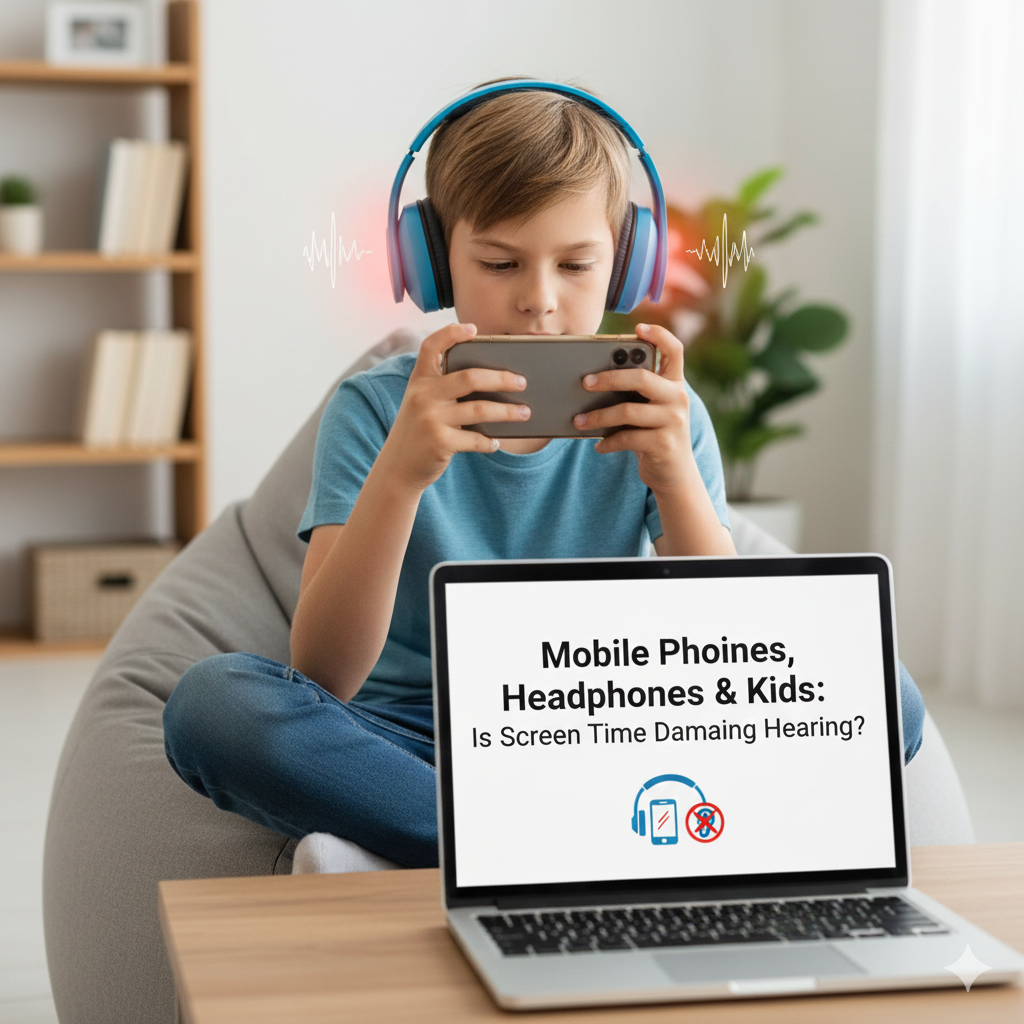
Mobile Phones, Headphones & Kids: Is Screen Time Damaging Hearing?

Children in Pakistan are using phones, tablets, and headphones more than ever. Whether it’s online classes, YouTube, or TikTok, many parents wonder:

“Could all this screen time harm my child’s hearing?”

The short answer: yes, if exposure is too loud or prolonged. In this blog, we’ll explore how screen time affects hearing, what warning signs to watch for, and practical tips to protect your child’s ears.

How Screen Time Can Affect Kids’ Hearing

Noise-Induced Hearing Loss (NIHL)

  • Listening at high volumes through headphones can damage hair cells in the inner ear.

  • Damage accumulates over time — even mild daily exposure matters.

Earphones vs Headphones

  • Earbuds sit inside the ear canal → louder and closer to eardrum → higher risk.

  • Over-ear headphones are safer if volume is controlled and breaks are taken.

Duration Matters

  • WHO recommends no more than 1 hour/day for young kids at moderate volume.

  • Continuous long sessions increase the risk of permanent hearing issues.

Signs Your Child May Be Experiencing Hearing Stress

Parents should watch for subtle signals:

  • Frequently asking “What?” or “Repeat that”

  • Turning up volume higher than normal

  • Complaining of ear ringing (tinnitus)

  • Difficulty following conversations in noisy environments

Early detection is key — a pediatric audiology check can prevent long-term damage.

How Technology and Daily Life Increase Risk in Pakistan

Common Factors

  • Loud classroom or traffic noise

  • Extended mobile/YouTube/TV use

  • Kids sharing earbuds or headphones

  • Lack of parental supervision on volume

Cultural Considerations

In many Pakistani households, children spend long hours on mobile phones or tablets, especially in cities. Awareness about safe listening habits is still low.

Practical Tips to Protect Your Child’s Hearing

Volume & Listening Habits

  • Keep devices at <60% of maximum volume

  • Encourage the 60/60 rule: 60 minutes at 60% volume

  • Use over-ear headphones instead of earbuds

Breaks and Screen-Free Time

  • Take 5–10 minute breaks every hour

  • Encourage outdoor play to reduce ear stress

Ear Health Awareness

  • Teach children not to share headphones

  • Avoid listening in noisy environments at high volume

  • Schedule regular hearing checkups, especially for heavy device users

Alternative Entertainment Ideas

If your child loves videos, try safer alternatives:

  • Audiobooks at moderate volume

  • Podcasts through safe headphones

  • Outdoor activities or sports

  • Family reading or story sessions

When to Seek Professional Help

Book an appointment with a pediatric audiologist if your child:

  • Frequently complains of ear ringing or pain

  • Shows difficulty understanding conversations

  • Turns up volume constantly

  • Has been exposed to prolonged loud noise

Early action protects hearing before permanent damage occurs.

How IHC Hearing Supports Hearing Health

At IHC Hearing, we provide:

  • Pediatric hearing assessments

  • Ear protection guidance for screen-heavy lifestyles

  • Follow-up care for children with noise-induced hearing risk

👂 Start hearing-safe habits early to protect your child’s future.

Final Thoughts

Smartphones, tablets, and headphones are now a part of life even for kids in Pakistan. But prolonged exposure at high volume can quietly damage hearing.

By teaching safe listening habits, taking breaks, and monitoring volume, parents can protect children’s ears while still enjoying technology. Early evaluation by audiologists ensures your child develops healthy hearing habits for life.

Categories
Hearing Loss Hearing Protection

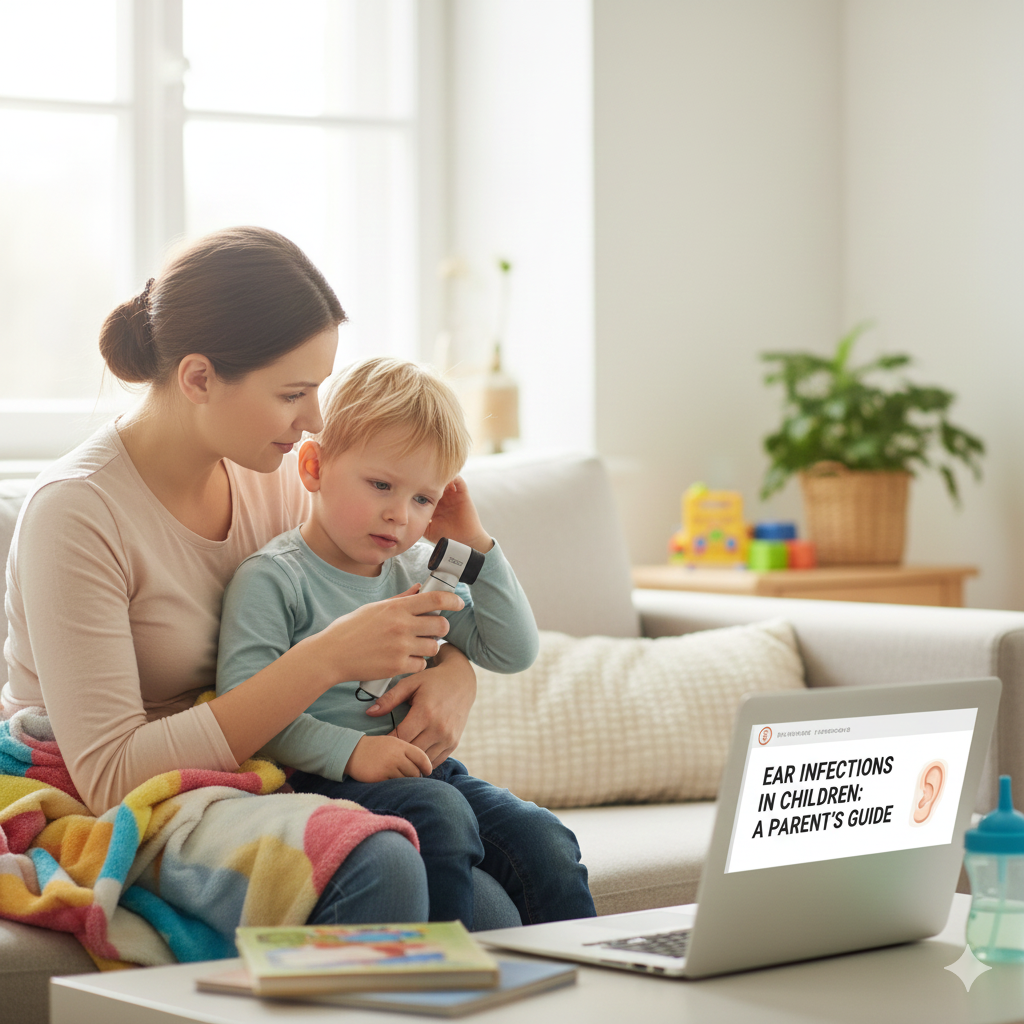
Ear Infections in Children: When Do They Lead to Permanent Hearing Damage?

Ear infections are one of the most common health issues in childhood. Most parents experience them at least once sleepless nights, fever, ear pain, and endless worry. In many cases, ear infections heal without long-term problems.

However, what often goes unnoticed is that repeated or untreated ear infections can sometimes lead to permanent hearing damage, especially in young children whose ears and speech skills are still developing.

This blog explains when ear infections are harmless, when they become dangerous, and how parents can protect their child’s hearing for life.

Why Ear Infections Are Common in Children

Children are more vulnerable to ear infections due to how their ears and immune systems develop.

Factors That Increase Risk

  • Shorter and narrower Eustachian tubes

  • Frequent colds and respiratory infections

  • Exposure to daycare germs

  • Immature immune response

  • Passive smoke exposure

These factors make it easier for fluid to become trapped behind the eardrum, allowing infection to develop.

Types of Ear Infections Parents Should Know About

Not all ear infections affect hearing in the same way.

Acute Otitis Media (AOM)

This is the most common type and usually appears suddenly with pain, fever, and irritability. Hearing loss during AOM is typically temporary and improves with treatment.

Otitis Media with Effusion (OME)

Fluid remains in the middle ear even after infection clears. This often causes mild to moderate hearing reduction, which may go unnoticed because the child feels no pain.

Chronic Suppurative Otitis Media (CSOM)

A long-lasting or recurring infection with persistent discharge. This type carries the highest risk of permanent hearing damage.

Early Warning Signs Parents Should Never Ignore

Children may not clearly express hearing problems, but their behavior often provides clues.

Common Symptoms

  • Tugging or rubbing the ears

  • Poor response when called

  • Increasing TV or mobile volume

  • Delayed or unclear speech

  • Difficulty concentrating in school

Ignoring these signs can allow hearing problems to worsen silently.

When Ear Infections Do NOT Cause Permanent Hearing Damage

The reassuring news is that most childhood ear infections do not lead to lasting hearing loss.

Situations With Full Recovery

  • Early diagnosis and treatment

  • Infrequent infections

  • No damage to the eardrum

  • Complete drainage of middle ear fluid

Temporary hearing reduction during infection is common and usually reversible.

When Ear Infections Can Cause Permanent Hearing Damage

Hearing damage becomes a concern when infections are severe, frequent, or left untreated.

Recurrent Ear Infections

Repeated infections can cause scarring of the eardrum and affect sound transmission.

Persistent Fluid in the Middle Ear

Long-term fluid buildup prevents sound from reaching the inner ear properly, affecting hearing clarity.

Eardrum Perforation

Chronic infections may rupture the eardrum, leading to ongoing hearing difficulties.

Damage to Middle Ear Bones

Severe infections can erode the tiny bones responsible for hearing, resulting in permanent conductive hearing loss.

Impact of Hearing Loss on a Child’s Development

Hearing plays a critical role in a child’s growth and learning.

Speech and Language Development

Children learn to speak by listening. Hearing loss can delay:

  • Vocabulary growth

  • Sentence formation

  • Pronunciation clarity

Learning and Social Interaction

Untreated hearing issues may cause:

  • Poor classroom participation

  • Learning difficulties

  • Social withdrawal or frustration

Early intervention significantly improves outcomes.

How Ear Infections and Hearing Loss Are Diagnosed

Proper diagnosis is essential for protecting hearing.

Medical Examination

ENT specialists assess:

  • Fluid presence

  • Eardrum condition

  • Signs of chronic infection

Hearing Tests for Children

Audiologists may perform:

  • Tympanometry

  • Age-appropriate hearing tests

  • OAE or ABR testing for infants

These evaluations help determine whether hearing has been affected and to what extent.

Treatment Options Based on Severity

Mild or Acute Infections

  • Medication as prescribed

  • Pain relief

  • Careful monitoring

Recurrent or Chronic Infections

  • Ventilation tubes (ear tubes)

  • Long-term infection control

  • Regular follow-ups

Managing Hearing Loss

If hearing does not return fully:

  • Pediatric hearing aids

  • Speech and language support

  • Ongoing audiological care

Preventing Hearing Damage From Ear Infections

Everyday Prevention Tips

  • Keep vaccinations up to date

  • Avoid secondhand smoke

  • Treat colds and allergies early

  • Never insert objects into the ear

Importance of Regular Hearing Checks

Children with frequent ear infections should undergo routine hearing evaluations, even if symptoms seem mild.

When to Seek Immediate Medical Attention

Seek Urgent Care If Your Child Has

  • Persistent ear discharge

  • Sudden hearing loss

  • Severe pain or swelling

  • Balance problems

  • Fever that does not improve

Delaying treatment increases the risk of permanent hearing damage.

How IHC Hearing Supports Children’s Hearing Health

At IHC Hearing, we provide:

  • Child-focused hearing assessments

  • Middle ear and infection management

  • Hearing rehabilitation solutions

  • Long-term pediatric hearing care

👂 Early care protects lifelong hearing.
Schedule a consultation to ensure your child’s hearing develops safely and clearly.

Final Thoughts

Ear infections are common in childhood, but they should never be ignored. While many resolve naturally, repeated or untreated infections can quietly damage a child’s hearing.

With awareness, early diagnosis, and expert care, parents can safeguard their child’s ability to hear, learn, and communicate with confidence.

Categories
Hearing Devices/Aids Hearing Protection

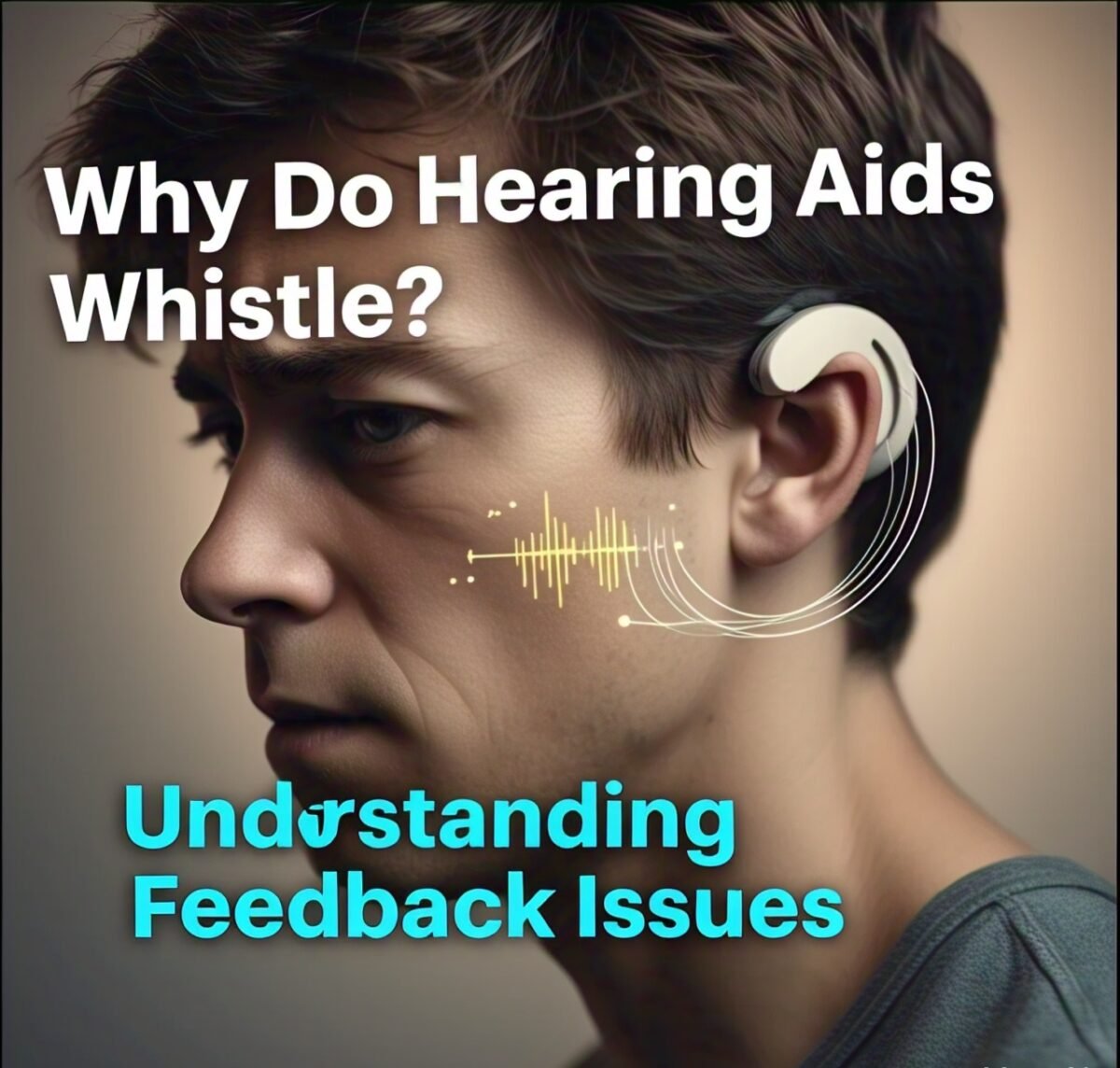
Why Do Hearing Aids Whistle? Understanding Feedback Issues

Hearing aids are vital devices that help millions of people around the world hear better and lead fuller lives. However, one of the most common frustrations that hearing aid users face is the annoying whistle or feedback noise that often accompanies these devices. If you’ve ever asked yourself, Why do hearing aids whistle? or wondered what causes that frustrating sound, you’re not alone. Understanding the causes of hearing aid feedback and learning how to fix it is essential to maintaining the comfort and effectiveness of your device.

At Islamabad Hearing Center, we specialize in providing top-quality hearing solutions and helping people resolve issues like hearing aid whistling. In this blog post, we’ll delve into the science behind hearing aid feedback, its causes, and offer practical tips for how to prevent and fix the whistling sound in your hearing aids.

Why Do Hearing Aids Whistle? Common Causes Explained

Hearing aids whistle due to a phenomenon known as feedback. Feedback occurs when sound that is being amplified by the hearing aid is picked up by the microphone, which then gets re-amplified and sent back into the ear, causing a high-pitched squealing or whistling noise. Hearing aid feedback can be a common issue, but understanding what causes it can help you address it quickly.

Here are the most common reasons why hearing aids whistle:

  1. Improper Fit or Position One of the most common causes of hearing aid whistling is a poor fit. If your hearing aid doesn’t fit securely in your ear, sound can escape and be fed back into the microphone. This often results in hearing aid feedback problems. A proper seal is essential to preventing sound from leaking out, which is why getting the right fit is crucial.
  2. Earwax Buildup Earwax buildup is another factor that can cause hearing aid feedback. When earwax accumulates in the ear canal, it can block the hearing aid’s microphone, causing the device to pick up the sound it’s amplifying and creating a feedback loop. Regular cleaning and maintenance are important to avoid this issue.
  3. Volume Too High Another reason for hearing aids to whistle is when the volume is turned up too high. High amplification can cause sound to escape and create the feedback noise. It’s important to keep the volume at a level that is comfortable and appropriate for your hearing needs.
  4. Loose or Damaged Components If the hearing aid has loose or damaged parts, such as the ear mold, tubing, or the microphone itself, feedback can occur. Ensuring that all parts of the hearing aid are properly fitted and in good condition is key to preventing issues like whistling.
  5. Incorrect Settings or Programs Many hearing aids have multiple settings or programs for different environments. If your device is set incorrectly or doesn’t suit the acoustic environment you’re in, it can cause feedback. This can often be resolved by adjusting the settings or consulting a hearing professional at Islamabad Hearing Center.

Hearing Aid Feedback: What Causes the Annoying Whistle?

The annoying whistle or feedback noise is typically the result of sound being amplified and then re-entering the microphone. Hearing aid feedback is often linked to a few specific causes, including:

  • Too much amplification: The hearing aid might be amplifying sound to the point that it is being picked up by the microphone.
  • Improper fit: When a hearing aid doesn’t create a proper seal in the ear, sound escapes and is reflected back into the microphone, causing a feedback loop.
  • Physical obstruction: Items like earwax or a change in the shape of the ear canal can block the hearing aid’s microphone or receiver, causing sound to loop back into the device.

If you’re dealing with a hearing aid whistling, it’s important to understand what might be causing the problem so that you can address it directly.

What to Do When Your Hearing Aid Whistles or Feedbacks

When your hearing aid whistling becomes an issue, there are several troubleshooting steps you can take to fix the problem:

  1. Check the Fit Ensure that your hearing aid fits snugly and securely in your ear. If it feels loose, it may not be sealing properly, which can cause feedback. If you have a custom mold, consult a professional at Islamabad Hearing Center to ensure that it’s the correct size and shape.
  2. Clean Your Hearing Aids Earwax buildup is a common cause of feedback. Be sure to clean your hearing aids regularly to prevent blockage in the microphone or receiver. You can use a soft cloth or cleaning brush specifically designed for hearing aids.
  3. Adjust the Volume If the volume is set too high, try turning it down a little. Over-amplification is a common culprit of whistling, and adjusting the volume can often resolve the issue.
  4. Check for Damage Inspect your hearing aid for any visible damage. Cracked or damaged parts, such as the ear mold or tubing, could cause sound to leak out and lead to feedback. If any parts are damaged, replace them promptly.
  5. Adjust Settings If your hearing aid has different programs or settings, try adjusting them to see if that resolves the issue. Sometimes, switching to a different setting may reduce feedback in certain environments.

How to Fix Hearing Aid Whistling: Troubleshooting Feedback Issues

If you’ve tried adjusting the fit and cleaning your hearing aids and are still experiencing whistling, it may be time to seek professional help. Hearing aid troubleshooting is important to ensure that the device is functioning properly and providing the best sound quality. At Islamabad Hearing Center, we can help you troubleshoot and address the issue of whistling. Some potential solutions include:

  • Fitting adjustments: If your hearing aid isn’t fitting properly, we can make adjustments to ensure it stays securely in place and prevents feedback.
  • Hearing aid repair: If there’s damage to your hearing aid, we can assess and repair the device to restore its functionality.
  • Software adjustments: In some cases, hearing aids can be reprogrammed to suit your hearing needs and eliminate feedback issues.

Dealing with Hearing Aid Whistle: Tips for Clear Sound

If you find that your hearing aid whistle is an ongoing issue, here are a few additional tips for ensuring clear sound:

  • Avoid tight-fitting headgear: If you wear hats, glasses, or other accessories that press against your hearing aids, it can cause feedback. Be mindful of how accessories fit when wearing your hearing aids.
  • Try different earpieces: Different types of ear molds or tips can affect how sound is channeled into the ear. Experiment with different sizes or shapes to see which provides the best fit and minimizes feedback.
  • Keep your hearing aids dry: Moisture can affect the performance of your hearing aids and contribute to feedback. Be sure to store your hearing aids in a dry place when not in use.

How to Prevent Hearing Aid Feedback and Stop the Whistle

Preventing hearing aid feedback is possible with a few simple steps:

  • Regular cleaning: Keep your hearing aids clean to avoid earwax buildup, which can contribute to feedback.
  • Routine maintenance: Have your hearing aids checked regularly for any wear and tear or damage. Regular visits to Islamabad Hearing Center can help you identify issues early and prevent feedback.
  • Proper storage: When not in use, store your hearing aids in a dry, clean place. Avoid leaving them in humid environments that could affect the microphone or other components.

How to Eliminate Whistling in Hearing Aids: Step-by-Step Guide

If you’re still struggling with hearing aids whistling, here’s a step-by-step guide to eliminate the issue:

  1. Check the ear mold and fit: Ensure that your ear mold is properly fitted and that your hearing aid is snugly in place.
  2. Clean the hearing aids: Use a brush or cleaning tool to remove earwax from the microphone and receiver.
  3. Adjust the volume: Lower the volume on your hearing aids to prevent amplification that may cause feedback.
  4. Inspect for damage: Look for any damage or wear on your hearing aids. If you notice anything, visit a professional for repair.
  5. Visit a hearing professional: If you’ve tried all of the above and the whistling continues, consult a professional at Islamabad Hearing Center for further troubleshooting and support.

Stop the Whistling and Enjoy Clear Sound

Hearing aid feedback and whistling are common problems, but they’re not insurmountable. By understanding the causes of feedback, following a few troubleshooting steps, and consulting professionals when needed, you can eliminate the annoying whistling and enjoy clear, comfortable sound from your hearing aids.

If you’re experiencing persistent hearing aid whistling or feedback issues, contact Islamabad Hearing Center for expert advice and solutions. Visit our website at ihchearing.com to book a consultation and take the first step toward better hearing today. Let us help you regain your hearing comfort and confidence, free from the frustration of whistling or feedback.

Categories
Hearing Tests Hearing Protection Hearing Solutions

Why Hearing Tests Are Essential for Adults Over 40

As we age, our bodies undergo various changes, and our hearing is no exception. For adults over 40, hearing health often takes a backseat to other health concerns, but neglecting it can have serious consequences. Regular hearing tests are essential for adults are not just a precaution, they are a necessity. In Islamabad, Pakistan, the Islamabad Hearing Center (IHC) is leading the way in providing comprehensive hearing care for adults, ensuring that age-related hearing issues are detected and managed early.

In this blog, we’ll explore the importance of hearing tests for adults, why regular check-ups matter, and how IHC can help you maintain optimal hearing health. Whether you’re experiencing early signs of hearing loss or simply want to stay proactive, this guide will provide valuable insights into hearing care for adults over 40.

The Importance of Hearing Tests for Adults

Hearing loss is often gradual, making it easy to overlook until it significantly impacts daily life. For adults over 40, hearing tests are essential for adults for detecting issues early and preventing further damage. Here’s why:

  1. Early Detection Saves Quality of Life: Many adults dismiss mild hearing loss as a normal part of aging, but untreated hearing issues can lead to social isolation, depression, and even cognitive decline. Studies have shown a link between untreated hearing loss and dementia, making early detection crucial.
  2. Preventing Age-Related Hearing Loss: While some hearing loss is inevitable with age, regular check-ups can help identify risk factors and provide strategies to slow its progression.
  3. Improved Communication: Hearing loss can strain relationships and hinder effective communication. A simple hearing test can help you stay connected with loved ones and maintain your quality of life.

At Islamabad Hearing Center (IHC), we specialize in providing the best hearing test for adults over 40, ensuring accurate diagnoses and personalized care.

Why Regular Hearing Check-Ups Matter

Many adults assume that hearing tests are only necessary when they notice a problem. However, regular hearing check-ups are vital for maintaining long-term hearing health. Here’s why:

  • Silent Progression: Hearing loss often develops slowly, and by the time symptoms become noticeable, significant damage may have already occurred.
  • Preventive Care: Regular tests can identify early signs of hearing loss, allowing for timely intervention and treatment.
  • Monitoring Changes: For those already experiencing hearing issues, regular check-ups help track changes and adjust treatment plans as needed.

The team at IHC recommends that adults over 40 schedule a hearing test at least once every two years. If you’re experiencing symptoms like difficulty hearing in noisy environments or frequent tinnitus, more frequent check-ups may be necessary.

How Often Should Adults Get a Hearing Test?

The frequency of hearing tests are essential for adults depends on several factors, including age, lifestyle, and existing hearing conditions. Here’s a general guideline:

  • Adults Over 40: Schedule a hearing test every two years, even if you don’t notice any issues.
  • Adults with Risk Factors: If you’re frequently exposed to loud noises, have a family history of hearing loss, or experience symptoms like tinnitus, annual tests are recommended.
  • Seniors: Adults over 60 should consider annual hearing tests, as age-related hearing loss becomes more common.

At IHC, our experts provide a hearing test guide for seniors and middle-aged adults, helping you determine the best schedule for your needs.

Early Signs of Hearing Loss in Middle Age

Recognizing the early signs of hearing loss can make a significant difference in managing the condition. Here are some common symptoms to watch for:

  • Difficulty understanding conversations, especially in noisy environments.
  • Frequently asking others to repeat themselves.
  • Turning up the volume on the TV or radio louder than usual.
  • Ringing or buzzing sounds in the ears (tinnitus).
  • Feeling fatigued after social interactions due to straining to hear.

If you’re experiencing any of these symptoms, it’s time to schedule a hearing test at IHC. Early intervention can prevent further damage and improve your overall quality of life.

What to Expect in a Hearing Test After 40

If you’ve never had a hearing test before, you might be wondering what the process involves. At Islamabad Hearing Center(IHC), our hearing tests are essential for adults are thorough, painless, and designed to provide a clear picture of your hearing health. Here’s what you can expect:

  1. Consultation: Our audiologists will discuss your medical history, lifestyle, and any symptoms you’ve noticed.
  2. Physical Examination: We’ll examine your ears for any visible issues, such as earwax buildup or infections.
  3. Audiometric Testing: Using state-of-the-art equipment, we’ll measure your ability to hear different frequencies and volumes.
  4. Results and Recommendations: Based on the results, we’ll provide a detailed report and recommend appropriate treatment options, if necessary.

Our goal is to make the process as comfortable and informative as possible, ensuring you leave with a clear understanding of your hearing health.

Preventing Age-Related Hearing Loss

While some degree of hearing loss is inevitable with age, there are steps you can take to protect your hearing:

  • Avoid Loud Noises: Prolonged exposure to loud sounds is one of the leading causes of hearing damage in adults over 40. Use ear protection in noisy environments.
  • Maintain a Healthy Lifestyle: Regular exercise and a balanced diet can improve blood flow to the ears, supporting hearing health.
  • Schedule Regular Check-Ups: Early detection is key to preventing further damage.

At IHC, we offer hearing care tips for adults over 40, helping you take proactive steps to preserve your hearing.

Benefits of Hearing Tests for Older Adults

Regular hearing tests are essential for adults offer numerous benefits for older adults, including:

  • Improved Communication: Addressing hearing loss can enhance your ability to connect with others.
  • Reduced Risk of Cognitive Decline: Studies suggest that treating hearing loss can lower the risk of dementia.
  • Enhanced Quality of Life: Better hearing means greater independence and confidence in daily activities.

Risks of Ignoring Hearing Loss After 40

Ignoring hearing loss can have serious consequences, including:

  • Social Isolation: Difficulty hearing can lead to withdrawal from social activities.
  • Mental Health Issues: Untreated hearing loss is linked to depression and anxiety.
  • Cognitive Decline: Research shows a connection between untreated hearing loss and dementia.

Don’t wait until it’s too late. Schedule a hearing test at IHC today and take the first step toward better hearing health.

Hearing Loss Treatment Options for Seniors

If you’re diagnosed with hearing loss, there’s no need to worry. Modern technology offers a range of hearing loss treatment options for seniors, including:

  • Hearing Aids: Custom-fitted devices that amplify sound.
  • Cochlear Implants: For severe hearing loss, these devices can restore hearing.
  • Therapies: Speech and sound therapy can help you adapt to hearing changes.

At IHC, we provide the best solutions for age-related hearing loss, tailored to your unique needs.

Conclusion

Hearing health is a critical yet often overlooked aspect of overall well-being, especially for adults over 40. Regular hearing tests are essential for adults can detect issues early, prevent further damage, and improve your quality of life. If you’re in Islamabad, Pakistan, the Islamabad Hearing Center (IHC) is your trusted partner in hearing care.

Visit ihchearing.com to learn more about our services and schedule your hearing test today. Don’t let hearing loss hold you back—take control of your hearing health now!

Categories
Hearing Solutions Hearing Protection

Top Causes of Hearing Loss in Young People and How to Prevent Them

Causes of hearing loss in young people are becoming a growing concern in today’s fast-paced, tech-driven world. From exposure to loud sounds to certain medical conditions, young individuals face numerous risks that can compromise their auditory health. Understanding these causes and learning how to prevent them is crucial for maintaining long-term hearing wellness.

Understanding the Causes of Hearing Loss in Young People

Understanding the Causes of Hearing Loss in Young People

Hearing loss in young people is often attributed to a combination of lifestyle choices, environmental factors, and medical conditions. Let’s delve into the most common causes:

  1. Prolonged Exposure to Loud Noises

Constant exposure to high-decibel environments, such as concerts, clubs, or loud music through headphones, is a leading cause of hearing loss among youth. This can result in Noise-Induced Hearing Loss (NIHL), a condition that damages the sensitive hair cells in the inner ear.

  1. Ear Infections

Chronic or untreated ear infections can lead to hearing impairment, especially in younger children. These infections can cause fluid buildup or damage the eardrum, affecting sound transmission.

  1. Genetics and Hereditary Conditions

Some forms of hearing loss are inherited. Genetic predisposition can make individuals more susceptible to early hearing loss, regardless of their lifestyle or environment.

  1. Ototoxic Medications

Certain medications, such as strong antibiotics or chemotherapy drugs, can harm the auditory nerve or inner ear, leading to temporary or permanent hearing loss.

  1. Injuries or Trauma

Head injuries or trauma to the ear can result in hearing impairment. Damage to the eardrum or inner ear structures can significantly affect auditory function.

  1. Poor Ear Hygiene

Improper ear care, such as using cotton swabs incorrectly, can push earwax deeper into the canal, causing blockages and temporary hearing loss.

  1. Lack of Awareness

Many young people underestimate the importance of protecting their ears, leading to preventable hearing damage over time.

How to Prevent the Causes of Hearing Loss in Young People

How to Prevent the Causes of Hearing Loss in Young People

Preventative measures are key to safeguarding hearing health. By adopting the following practices, young individuals can minimize the risk of hearing loss:

  1. Limit Exposure to Loud Noises

Use earplugs or noise-cancelling headphones in loud environments. Reduce the volume on personal devices and take regular breaks from headphone use.

  1. Seek Early Treatment for Ear Infections

Prompt medical attention for ear infections can prevent complications. Regular check-ups ensure that minor issues don’t escalate into major problems.

  1. Know Your Family History

If hearing loss runs in the family, take proactive steps, such as regular audiometric testing, to monitor your hearing health.

  1. Be Mindful of Medications

Consult your healthcare provider about potential side effects of prescribed medications, especially if they are known to be ototoxic.

  1. Protect Your Ears from Trauma

Wear protective gear during sports or activities with a high risk of head injuries. Proper protection can prevent accidental ear damage.

  1. Practice Good Ear Hygiene

Avoid inserting objects into your ears. Instead, use safe ear-cleaning methods or consult a healthcare provider if you experience discomfort.

  1. Raise Awareness

Encourage young people to priorities hearing health through education campaigns and school programs.

Modern Solutions for Addressing Hearing Loss

Modern Solutions for Addressing Hearing Loss

Technological advancements have made it easier to address hearing loss through effective solutions like hearing aids and cochlear implants. Seeking early intervention ensures better outcomes and helps young individuals regain confidence in their hearing abilities.

The Role of Islamabad Hearing Center

Prevention and early diagnosis play a significant role in addressing causes of hearing loss in young people. At Islamabad Hearing Center, we provide comprehensive hearing evaluations and customised solutions to protect and restore auditory health.

Conclusion

Understanding the causes of hearing loss in young people is the first step toward prevention and treatment. By recognizing risk factors and adopting preventative measures, young individuals can safeguard their hearing for the future.

If you or someone you know is experiencing hearing difficulties, don’t wait contact us at Islamabad Hearing Center today. Our experts are here to provide the care and solutions you need to maintain healthy hearing.

Categories
Hearing Protection

Improve Hearing: Best Lifestyle Changes for Hearing Protection Practices

Have you ever thought about how the environment plays an effective role in our hearing protection? Our jobs, home environment, lifestyle, and habits make or deteriorate our hearing functions.

Additionally, the factors that are improving the health of our hearing lifestyle changes and advanced hearing aids are on the top. If you are feeling hearing loss you can set it and prevent it from losing it by following these lifestyle changes measures. That we are going to discuss in this blog. So let’s start now.

Watch Out For Noisy Places for Hearing Protection

The person who is dealing with the louder sound on the job. Like if they are working under the base of the ships, where there is so much engine noise or that person who is working on the airport’s runways daily.

Moreover, if the person is working under pressure the rise up of blood toward their ears might damage their hearing. So, it is very important to watch out for all of these factors and the preventive measures to protect hearing. For that, you can use the ear blockers, or wear the sound blockers at places of high volume. That will help in preventing the ears from hearing loss or damage to it.

Focus on Your Sleep Pattern

The next lifestyle change for hearing protection is to watch out for your sleep pattern. If you are getting enough quality sleep or not? Because sleep is directly connected to our hearing health. How?

We will tell you, that lack of sleep may affect the healthy living of a person, also it is suspected that a poor sleep pattern will also damage overall physical health, especially hearing loss. It doesn’t only affect mental health but also affects the various functioning of our body including respiratory issues, heart problems, digestive irritability, and hearing loss.

A little bit of change in life will bring health improvement. A disciplined life is healthy in every way.

Smoking Could Badly Damage Hearing

Best Lifestyle Changes for Hearing Protection Practices

The study and reports have stated the major illness caused by smoking. In which the hearing loss is one of the health damages. So the lifestyle change for hearing protection is to get rid of the habit of smoking from your life that can affect your overall quality of life. The study was published on WebMD. They stated that secondhand smokers are also detected with hearing loss.

Due to its harmful substances going in our body causes major health deficits. It will not only destroy the lungs or heart but also affect badly on hearing too. so, it is very important if you or your family member is addicted to cigarette smoking. Then take them to a rehabilitation center right away. And start their treatment to improve their wellbeing.

Do Yoga and Exercise in Your Routine

The Exercise is the magical transformation in your body. Jogging, Asanas, Walking, or Running will detox your body from unhealthy ailments. This is one of the best lifestyle changes for hearing protection.

During exercise, the flow of blood will support the tiny hair cells that are responsible for transmitting the sound waves. Through exercising they will get improvement and boost their hearing health and body weight too.

Mindful Listening Practice

These lifestyle changes for hearing protection mean a lot. Like in the digital age, we keep on receiving stimuli from the environment. So it is very important to get free from the busy life and sit in a quiet place to practice mindfulness.

This healthy practice will enhance the quality of overall well-being. Make the habit of lowering the sound volume of your devices and pay attention in high-sound places to your hearing. If you feel any change or disturbance, you must consult with the audiologist for a hearing assessment.

Hydration- A Fluid Is Life of the Body

The proper fluid is essential in keeping up the good health of overall body organs including hearing. The normal or adequate fluid intake will support the fluid in the inner ear for best sound transmission. The fluid is the best support system for your hearing and prevents it from various illnesses.

Auditory Follow-Ups

Like the tools and instruments that require repairs and checkups for maintenance. Likewise, your hearing also needs checkups and assessments. So that any issue or disturbance you feel can be dealt with at every initial stage. Additionally, with the right lifestyle changes for hearing protection, you can lead your life with normal hearing till life.

Bottom Line

If you’re experiencing difficulty with speech or language due to hearing loss, don’t hesitate to seek the help of a speech therapist in Islamabad. They can work with you to develop a plan that suits your unique needs and goals, helping you communicate more effectively and enjoy a better quality of life.

Visit the Islamabad Hearing Center and book your appointment with the audiologist for the best hearing protection.

Categories
Hearing Protection

Sound Solutions: Practical Tips for Effective Hearing Care

Hearing Care is a vital sense that enhances our overall quality of life. This blog post aims to provide practical tips for maintaining and enhancing hearing health, ensuring a life filled with clear, vibrant sound.

Understanding Hearing Health

Hearing care encompasses a range of practices and habits aimed at preserving and improving our ability to hear. It involves not only the treatment of hearing loss but also preventive measures to maintain healthy hearing.

Common Causes of Hearing Loss

Hearing loss can be attributed to various factors, with aging being one of the primary causes. Exposure to loud noises over an extended period can also lead to hearing impairment. Additionally, certain medical conditions and genetic factors can contribute to hearing loss.

Signs and Symptoms of Hearing Loss

Recognizing the signs of hearing loss is crucial for early intervention. Common signs include difficulty understanding speech, frequently asking others to repeat themselves, and increasing the volume on devices such as televisions or radios.

Prevention of Hearing Loss

Preventing hearing loss starts with awareness and taking proactive measures. Avoiding prolonged exposure to loud noises, using ear protection in noisy environments, and maintaining ear hygiene are effective preventive measures.

Daily Habits for Healthy Hearing

Incorporating simple habits into your daily routine can help maintain healthy hearing. These habits include avoiding excessively loud environments, using ear protection when exposed to loud noises, and limiting the use of headphones and earbuds.

Regular Hearing Check-ups

Regular check-ups with an audiologist are essential for monitoring your hearing health. A hearing evaluation can detect any changes in your hearing and help you take appropriate action.

Technology and Hearing Care

Advancements in technology have revolutionized hearing care. Hearing aids are now more advanced and discreet, offering improved sound quality and comfort. Assistive listening devices and smartphone apps also play a crucial role in enhancing hearing health.

Healthy Lifestyle Choices for Hearing Care

Maintaining a healthy lifestyle can positively impact your hearing health. Eating a balanced diet rich in vitamins and minerals, staying physically active, and avoiding smoking can all contribute to better hearing health.

Support and Resources for Hearing Care

Support groups provide valuable emotional support and practical advice for individuals with hearing loss. Resources for education and advocacy can help raise awareness about hearing health and provide access to essential services. Explore the services offered at IHC for comprehensive support and guidance.

Conclusion

In conclusion, prioritizing hearing care is essential for maintaining good hearing health. By understanding the causes of hearing loss, recognizing the signs, and taking preventive measures, we can protect our hearing and enjoy a life filled with clear, vibrant sound. Visit Islamabad Hearing Center for expert advice and support in maintaining your hearing health.

Categories
Hearing Loss Hearing Protection

Say What? Discover the Latest in Hearing Tech at Our Clinic

Hearing tech in health is a critical aspect of overall well-being, yet it is often overlooked. Understanding the significance of hearing health can lead to early detection and treatment of hearing loss, ultimately improving the quality of life. The history of hearing tech is a testament to human ingenuity, showcasing how far we’ve come in helping individuals with hearing impairments.

Current State of Hearing Technology

Hearing aid technology has evolved significantly over the years. From bulky, analog devices to sleek, digital marvels, the advancements have been remarkable. The latest in hearing aid technology includes sophisticated features like directional microphones, feedback cancellation, and customizable settings for different listening environments.

Benefits of Modern Hearing Technology

Modern hearing aids offer improved sound quality and clarity, making it easier to hear conversations in noisy environments. They are also more comfortable to wear, with many models designed to be discreet and ergonomic. Additionally, modern hearing aids often come with convenient features like rechargeable batteries, eliminating the need for disposable batteries.

Types of Hearing Aids

There are several types of hearing aids available, each with its own set of benefits. Behind-the-ear (BTE) hearing aids are powerful and suitable for all types of hearing loss. In-the-ear (ITE) hearing aids are custom-made to fit the shape of the wearer’s ear, providing a comfortable and secure fit. Invisible-in-canal (IIC) hearing aids are the most discreet option, as they sit deep inside the ear canal and are virtually invisible to others.

Features to Look for in Hearing Aids

When choosing a hearing aid, it’s essential to consider the features that will best suit your lifestyle. Noise reduction technology can help filter out background noise, making conversations clearer. Bluetooth connectivity allows you to stream audio directly from your phone or other devices to your hearing aids. Rechargeable batteries offer convenience and cost savings, eliminating the need for frequent battery changes.

The Role of Audiologists in Hearing Health

Audiologists play a crucial role in maintaining hearing health. They conduct thorough hearing evaluations to assess the extent of hearing loss and recommend appropriate treatment options. Audiologists also customize hearing aids to meet individual needs, ensuring optimal performance and comfort.

Choosing the Right Hearing Aid for You

Selecting the right hearing aid involves considering factors such as the severity of hearing loss, lifestyle, and budget. Audiologists can help guide you through this process, offering expert advice and recommendations. Adjusting to wearing hearing aids may take time, but with patience and practice, most individuals adapt successfully.

Latest Innovations in Hearing Technology

Artificial intelligence (AI) is revolutionizing the field of hearing aid technology. AI-powered hearing aids can learn and adapt to the wearer’s listening preferences, providing a personalized hearing experience. Tele-audiology allows individuals to receive hearing care remotely, making it easier to access services and support.

Future Trends in Hearing Technology

The future of hearing aid technology holds exciting possibilities. Advancements in miniaturization may lead to even smaller and more discreet hearing aids. Integration with other wearable devices, such as smartwatches, could offer enhanced features and connectivity options. Explore these possibilities at Islamabad Hearing Center.

Conclusion

Modern hearing technology has come a long way, offering improved sound quality, comfort, and convenience. If you or a loved one are experiencing hearing loss, don’t hesitate to seek help. Visit IHC Hearing, our clinic, for a comprehensive hearing evaluation and personalized consultation. Say goodbye to missed conversations and hello to a world of clearer, more vibrant sound.